
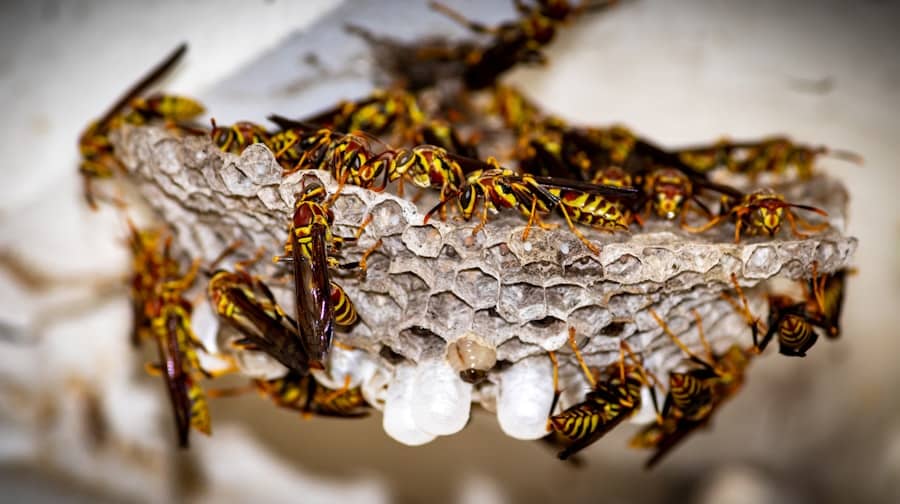
When it comes to identifying wasp infestations, the first step is to familiarize yourself with the signs that indicate their presence. Wasps are often drawn to areas where food is readily available, so if you notice an increase in these insects around your home, it’s essential to investigate further. Look for nests, which can be found in various locations such as under eaves, in trees, or even within wall cavities.
These nests can vary in size and shape, often resembling a paper-like structure made from chewed wood fibers mixed with saliva. If you spot a nest, take note of its size and the number of wasps entering and exiting; this can give you a clearer picture of the infestation’s severity. In addition to physical nests, you should also be aware of the behavior of wasps.
Unlike bees, wasps tend to be more aggressive, especially when they feel threatened. If you find yourself swatting at these insects or noticing them hovering around food sources, it’s a clear indication that they may have established a nest nearby. Observing their flight patterns can also provide clues; wasps often fly in straight lines and can be seen darting back and forth as they patrol their territory.
By being vigilant and observant, you can effectively identify the presence of wasps before they become a more significant problem.
Key Takeaways
- Look for visible nests and increased wasp activity to identify infestations
- Allergic reactions, painful stings, and property damage are common risks of wasp infestations
- Seal entry points, use traps, and remove food sources as DIY wasp control methods
- Professional wasp control services offer expertise, safety, and long-term solutions
- Keep outdoor areas clean, use deterrent plants, and seal cracks to prevent wasp infestations
- Peppermint oil, vinegar, and cinnamon are natural repellents for wasps
- Different seasons may require different control methods for wasps
- Consider local regulations and environmental impact when choosing pest control methods
Risks and Dangers of Wasp Infestations
Wasp infestations pose several risks that can affect both your health and your property. One of the most immediate dangers is the potential for stings. Wasps are known for their painful stings, which can lead to allergic reactions in some individuals.
If you or someone in your household has a history of allergies, a wasp sting could trigger a severe response, including anaphylaxis, which is a medical emergency requiring immediate attention. Even if you are not allergic, multiple stings can cause significant pain and swelling, making it crucial to address any infestations promptly. Beyond personal health risks, wasps can also cause damage to your property.
Their nests can be built in areas that may compromise structural integrity, such as inside walls or attics. As they expand their nests, they can create holes or weaken materials, leading to costly repairs down the line. Additionally, wasps are attracted to food sources, which means they can invade outdoor gatherings or barbecues, creating an uncomfortable environment for you and your guests.
Understanding these risks is vital for taking appropriate action against wasp infestations.
DIY Wasp Control Methods
If you find yourself facing a wasp infestation, there are several DIY control methods you can employ before seeking professional help. One effective approach is to create homemade traps using simple household items. For instance, you can take a plastic bottle and cut it in half.
Invert the top half into the bottom half and fill it with a mixture of sugar water or fruit juice to attract the wasps. This trap lures them in but makes it difficult for them to escape. Placing several of these traps around your yard can significantly reduce the number of wasps in your vicinity.
Another method involves using natural deterrents to keep wasps at bay. Essential oils such as peppermint or clove oil are known for their repellent properties. You can mix these oils with water in a spray bottle and apply them around areas where you’ve noticed wasp activity.
The strong scent can deter wasps from approaching your home or outdoor spaces. However, while these DIY methods can be effective for minor infestations, it’s essential to monitor the situation closely and be prepared to escalate your efforts if the problem persists.
Professional Wasp Control Services
While DIY methods can be effective for minor infestations, there are times when enlisting professional wasp control services is the best course of action. Professionals have the training and experience necessary to handle larger infestations safely and effectively. They can assess the situation thoroughly, identifying not only the location of nests but also the species of wasps involved.
This information is crucial because different species may require different approaches for removal. Moreover, professional services often utilize specialized equipment and insecticides that are not available to the general public. This means they can eliminate nests quickly and efficiently while minimizing risks to you and your property.
Additionally, professionals are trained to handle potential hazards associated with wasp removal, such as allergic reactions or aggressive behavior from the insects. By opting for professional help, you can ensure that the infestation is dealt with comprehensively and safely.
Preventing Wasp Infestations
Prevention is always better than cure when it comes to wasp infestations. One of the most effective strategies is to eliminate potential food sources that attract these insects. Keep outdoor dining areas clean by promptly disposing of food scraps and covering trash cans with tight-fitting lids.
If you enjoy gardening, be mindful of flowering plants that may attract wasps; consider planting varieties that are less appealing to them. Another preventive measure involves sealing entry points around your home. Inspect your property for gaps or cracks in walls, windows, and doors where wasps could gain access.
Use caulk or weather stripping to seal these openings effectively. Additionally, consider removing any old or abandoned nests from previous seasons; even if they are no longer active, they can still attract new colonies looking for a place to settle. By taking these proactive steps, you can significantly reduce the likelihood of a wasp infestation.
Natural Wasp Repellents
If you’re looking for eco-friendly alternatives to chemical repellents, several natural options can help keep wasps at bay. One popular choice is vinegar; its strong scent is unappealing to many insects, including wasps. You can create a simple repellent by mixing equal parts vinegar and water in a spray bottle and applying it around areas where you’ve noticed wasp activity.
Another effective natural repellent is cucumber peels. Wasps are said to dislike the scent of cucumbers, so placing peels around your outdoor spaces may deter them from coming too close. Additionally, planting certain herbs like mint or basil around your home can act as a natural barrier against wasps due to their strong fragrances.
These natural repellents not only help keep wasps away but also contribute to a more environmentally friendly approach to pest control.
Wasp Control in Different Seasons
Understanding how wasp behavior changes with the seasons is crucial for effective control measures. In spring, wasps emerge from hibernation and begin establishing new colonies. During this time, they are particularly focused on building nests and gathering food resources.
If you notice increased activity in early spring, it’s essential to take preventive measures before nests become established. As summer progresses, wasp populations peak, leading to more aggressive behavior as they defend their nests and search for food sources. This is when infestations are most likely to occur around homes and outdoor spaces.
If you encounter issues during this season, consider implementing both DIY methods and professional services as needed. In fall, as temperatures drop and food becomes scarce, wasps may become more desperate for sustenance, leading them to invade human spaces more frequently. This is often when people notice an uptick in wasp activity around picnics or barbecues.
Being aware of these seasonal patterns allows you to adjust your prevention strategies accordingly and respond effectively when necessary.
Legal and Environmental Considerations for Wasp Pest Control
When dealing with wasp infestations, it’s essential to consider legal and environmental factors that may influence your approach to pest control. In many regions, certain species of wasps are protected by law due to their ecological importance as pollinators and predators of other pests. Before taking any action against a nest, it’s wise to research local regulations regarding pest control practices.
Additionally, consider the environmental impact of chemical pesticides on local ecosystems. Many insecticides can harm beneficial insects and disrupt natural food chains if not used responsibly. Opting for eco-friendly methods or professional services that prioritize environmentally safe practices can help mitigate these concerns while effectively addressing your wasp problem.
In conclusion, understanding how to identify and manage wasp infestations is crucial for maintaining a safe and comfortable living environment. By being proactive in prevention efforts and knowing when to seek professional help, you can effectively minimize risks associated with these pests while also considering legal and environmental implications in your approach to pest control.
If you’re dealing with a wasp infestation, it’s essential to consider effective pest control solutions that prioritize safety and environmental impact. For those looking for eco-friendly options, you might find valuable insights in the article on eco-friendly pest control, which discusses methods to keep your home bug-free while maintaining a green approach. This can be particularly useful when addressing wasp issues, as it emphasizes natural deterrents and safe removal techniques.
FAQs
What is a wasp pest control?
Wasp pest control refers to the methods and techniques used to manage and eliminate wasp infestations in and around homes, businesses, and other structures. This may include the use of traps, insecticides, and professional pest control services.
Why is wasp pest control important?
Wasp pest control is important because wasp stings can be painful and even life-threatening for individuals who are allergic. Additionally, wasp infestations can disrupt outdoor activities and pose a threat to the safety of people and pets.
What are some common methods of wasp pest control?
Common methods of wasp pest control include using commercial wasp traps, applying insecticidal sprays or dusts, and hiring professional pest control services to safely remove and eliminate wasp nests.
Are there natural or non-toxic methods for wasp pest control?
Yes, there are natural and non-toxic methods for wasp pest control, such as using essential oils, vinegar, or soapy water to deter or eliminate wasps. Additionally, physical barriers like mesh screens or netting can be used to prevent wasps from entering certain areas.
When should I consider hiring a professional for wasp pest control?
It is advisable to hire a professional for wasp pest control if the infestation is large, if the nest is located in a hard-to-reach area, or if you are unsure about how to safely and effectively eliminate the wasps. Professional pest control services have the expertise and equipment to handle wasp infestations safely and effectively.