
Termites are fascinating creatures that play a crucial role in their ecosystems, yet their behavior often goes unnoticed until they invade human spaces. Understanding termite behavior is essential for both ecological studies and pest control efforts. These social insects exhibit complex behaviors that are not only intriguing but also vital for their survival and the health of the environments they inhabit.
By delving into the intricacies of termite behavior, you can gain insights into their social structures, feeding habits, and the environmental factors that influence their activities. As you explore the world of termites, you will discover that their behavior is not merely instinctual but is shaped by a combination of genetic predispositions and environmental stimuli. This dual influence allows termites to adapt to various conditions, ensuring their survival in diverse habitats.
From their intricate social systems to their foraging strategies, every aspect of termite behavior is interconnected, revealing a sophisticated network of interactions that sustain their colonies.
Key Takeaways
- Termites are social insects that live in colonies and exhibit complex behaviors.
- Reproductive termites play a crucial role in the growth and expansion of termite colonies.
- Termites use pheromones and other chemical signals to find and access food sources.
- Environmental factors such as temperature and humidity can significantly impact termite behavior.
- Communication and coordination within termite colonies are essential for their survival and success.
The Social Structure of Termite Colonies
The Roles of Each Caste
As you observe these castes, you will notice that each has a specific role that contributes to the overall functioning of the colony. Workers are responsible for foraging, building, and maintaining the nest, while soldiers protect the colony from predators. The reproductive individuals, typically the queen and king, are tasked with ensuring the colony’s growth through reproduction.
Efficient Resource Utilization
This division of labor allows termites to efficiently utilize their resources and respond to challenges in their environment. For instance, when food sources are scarce, workers can quickly adapt their foraging strategies to seek out new supplies. The presence of soldiers ensures that the colony remains safe from threats, allowing workers to focus on their tasks without fear of predation.
Cooperation and Resilience
This intricate social structure not only enhances the colony’s resilience but also exemplifies the power of cooperation among individuals.
The Role of Reproductive Termites in Colony Growth
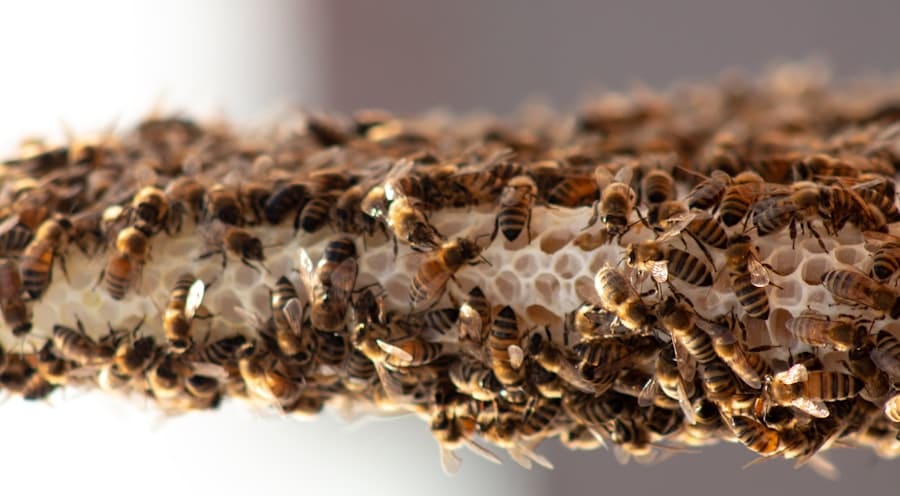
Reproductive termites play a pivotal role in the growth and sustainability of their colonies. The queen termite is particularly noteworthy; she can lay thousands of eggs daily, ensuring a steady influx of new members into the colony. As you learn more about her role, you will appreciate how her reproductive capabilities directly influence the colony’s size and health.
The king, although less prominent than the queen, also contributes to reproduction and helps maintain genetic diversity within the colony. The dynamics between reproductive termites and other castes are fascinating. While workers and soldiers focus on daily tasks, reproductive individuals are often secluded within the nest, emphasizing their importance in maintaining the colony’s future.
This separation allows them to concentrate on reproduction without interference from external threats or internal distractions. Understanding this relationship highlights how essential reproductive termites are to the overall success of the colony and underscores the delicate balance that exists within these social structures.
How Termites Find and Access Food Sources
Finding food is a critical aspect of termite behavior, as it directly impacts the survival and growth of the colony. Termites primarily feed on cellulose, which is abundant in wood, leaves, and other plant materials. As you observe their foraging behavior, you will notice that termites employ a variety of strategies to locate and access food sources.
They often rely on pheromones—chemical signals released by other termites—to guide them toward food-rich areas. Once a worker termite discovers a food source, it communicates this information to others in the colony through a process known as trophallaxis. This behavior involves sharing food and pheromones with fellow workers, effectively creating a network of information that leads to efficient foraging.
You may find it fascinating how this collective effort allows colonies to exploit food resources more effectively than solitary foragers could achieve alone. The ability to adapt their foraging strategies based on environmental conditions further demonstrates the intelligence behind termite behavior.
The Impact of Environmental Factors on Termite Behavior
Environmental factors significantly influence termite behavior and can dictate how they interact with their surroundings. Temperature, humidity, and soil composition all play crucial roles in determining where termites establish their colonies and how they forage for food. For instance, termites thrive in warm, humid environments, which facilitate their digestion of cellulose-rich materials.
As you consider these factors, you will see how they shape not only where termites live but also how they behave within those habitats. Changes in environmental conditions can lead to shifts in termite activity patterns. During periods of drought or extreme heat, for example, termites may become less active or alter their foraging strategies to conserve moisture.
Conversely, after rainfall, you might observe an increase in activity as termites take advantage of newly available resources. Understanding these environmental influences can provide valuable insights into termite behavior and help predict their movements and activities throughout different seasons.
Communication and Coordination within Termite Colonies

Communication is vital for maintaining order and efficiency within termite colonies. Termites utilize a range of methods to convey information to one another, including pheromones, vibrations, and tactile signals. As you delve deeper into their communication methods, you will discover how these signals facilitate coordination among castes and ensure that tasks are completed effectively.
Pheromones play a particularly significant role in termite communication. When a worker finds food or encounters danger, it releases specific pheromones that alert others in the colony. This chemical signaling allows for rapid responses to changing conditions and fosters collaboration among workers and soldiers alike.
Additionally, vibrations produced by movements within the nest can signal alarm or indicate the need for assistance during construction or defense efforts. By understanding these communication mechanisms, you can appreciate how termites maintain harmony within their colonies despite their complex social structures.
Understanding Termite Nesting Behavior
Nesting behavior is another critical aspect of termite life that reflects their adaptability and social organization. Termites construct intricate nests that serve as both living quarters and protective structures against predators and environmental hazards. As you explore different types of termite nests—ranging from subterranean mounds to arboreal nests—you will gain insight into how these structures are tailored to specific species and environmental conditions.
The construction process itself is a remarkable display of teamwork among worker termites. They work tirelessly to gather materials such as soil, wood particles, and saliva to create durable nests that can withstand various environmental challenges. You may find it interesting that some species even build elaborate above-ground structures that can reach impressive heights.
These nests not only provide shelter but also serve as a means of regulating temperature and humidity within the colony—a testament to the ingenuity of these social insects.
Insights into Termite Foraging Patterns
Foraging patterns among termites reveal much about their adaptability and resourcefulness. As you observe these patterns, you will notice that they often change based on factors such as food availability, competition with other species, and environmental conditions. Termites are known for their ability to exploit various food sources efficiently; they can switch from one type of food to another depending on what is most accessible at any given time.
In addition to individual foraging efforts, collective foraging strategies also play a significant role in how termites gather food. When resources are abundant, workers may spread out over larger areas to maximize their intake. However, during times of scarcity or competition with other colonies or species, they may adopt more coordinated approaches to ensure that all members have access to necessary nutrients.
This flexibility in foraging behavior highlights the intelligence behind termite colonies and underscores the importance of cooperation in achieving success.
Factors Influencing Termite Movement and Migration
Termite movement and migration are influenced by various factors that dictate when and where they travel in search of resources or new nesting sites. Environmental cues such as temperature changes or moisture levels can trigger movement within colonies as termites seek optimal conditions for survival. As you study these behaviors, you will find that migration often occurs during specific seasons or after significant weather events like heavy rainfall.
Additionally, competition with other colonies can drive termites to migrate in search of less contested territories or more abundant resources. This movement is not random; rather, it is guided by pheromonal trails left by other members of the colony or environmental markers that indicate suitable habitats nearby. Understanding these factors can provide valuable insights into predicting termite behavior during infestations or when planning pest control measures.
The Role of Termite Behavior in Infestation and Damage
The behaviors exhibited by termites can have significant implications for human structures and ecosystems alike. When termites invade homes or buildings, their feeding habits can lead to extensive damage if left unchecked. As you consider this aspect of termite behavior, it becomes clear that understanding their habits is crucial for effective prevention and control strategies.
Termites often go unnoticed until significant damage has occurred because they tend to work silently within walls or underground tunnels. Their ability to consume wood and other cellulose materials means that they can compromise structural integrity over time without immediate detection. By recognizing signs of infestation early—such as discarded wings or mud tubes—you can take proactive measures to mitigate damage before it escalates.
Applying Knowledge of Termite Behavior for Effective Control Strategies
Armed with an understanding of termite behavior, you can develop more effective control strategies to manage infestations and protect your property from damage. Knowledge about their nesting habits, foraging patterns, and communication methods allows you to tailor your approach based on specific species and environmental conditions. For instance, targeted baiting systems can be employed by placing bait stations near active foraging trails identified through pheromone tracking or visual inspection.
Additionally, understanding seasonal patterns in termite activity can help you time treatments more effectively when colonies are most vulnerable or active. By applying this knowledge strategically, you can enhance your pest management efforts while minimizing harm to beneficial insects and the surrounding ecosystem. In conclusion, exploring termite behavior reveals a world filled with complexity and cooperation that is essential for both ecological balance and pest management efforts.
By understanding these behaviors—ranging from social structures to foraging strategies—you can better appreciate the role termites play in our environment while also developing effective methods for controlling infestations when necessary.
If you are looking for the best pest control service in Chesapeake, Virginia, Fort Worth, Texas, or Fremont, California, Thrift Pest Control is the company to call. Their team of experts can help you effectively control a variety of pests, including termites. Understanding termite behavior is crucial for successful pest control, and Thrift Pest Control has the knowledge and experience to get the job done right. Check out their website for more information on their services and how they can help protect your home from unwanted pests. Click here to learn more.
FAQs
What are termites?
Termites are small, social insects that feed on wood and other plant materials. They are known for their destructive behavior and can cause significant damage to buildings and wooden structures.
What is termite behavior like?
Termites live in colonies and are organized into different castes, including workers, soldiers, and reproductives. They communicate through pheromones and exhibit complex behaviors such as foraging, building and maintaining nests, and caring for their young.
How do termites cause damage?
Termites feed on cellulose, which is found in wood and other plant materials. They can cause damage to wooden structures, furniture, and other items made of wood or cellulose-based materials. Their feeding and nesting behaviors can compromise the structural integrity of buildings.
What are some signs of termite infestation?
Signs of termite infestation include the presence of mud tubes on walls or foundations, damaged or hollow-sounding wood, discarded termite wings, and small holes in wood. It is important to regularly inspect buildings for these signs to detect and address infestations early.
How can termite behavior be effectively controlled?
Effective termite control involves a combination of preventive measures, such as maintaining proper ventilation and reducing moisture around buildings, and the use of physical or chemical barriers to prevent termites from entering or infesting structures. Regular inspections and prompt treatment of infestations are also important for effective control.