
You may have noticed that squirrels can be both charming and infuriating. Their playful antics often bring a smile to your face, but when they start raiding your bird feeders or digging up your garden, their cuteness quickly fades. These clever little creatures are notorious for their ability to outsmart even the most well-thought-out defenses.
To effectively deal with a persistent squirrel problem, you must first understand their behavior and motivations. Squirrels are driven by their need for food and shelter, so your garden or bird feeder becomes a prime target for their relentless scavenging. To outsmart these furry bandits, consider implementing a few strategic measures.
Start by securing your bird feeders with squirrel-proof designs that make it difficult for them to access the seeds. You might also want to place feeders on poles that are at least six feet tall and away from any nearby trees or structures that could provide a launching pad for these agile climbers. Additionally, you can create barriers in your garden by using fencing or netting to protect your plants from being dug up or eaten.
By taking these proactive steps, you can reclaim your outdoor space and enjoy the beauty of nature without the constant threat of squirrel sabotage.
Key Takeaways
- Outsmarting persistent pests like squirrels requires strategic placement of barriers and deterrents.
- Dealing with raccoons and possums in the backyard involves securing trash cans and removing potential food sources.
- Keeping mice and rats at bay involves sealing entry points and using traps and baits strategically.
- Confronting ants, cockroaches, and other creepy crawlers requires a combination of sanitation, sealing entry points, and targeted insecticides.
- Dealing with bees, wasps, and hornets involves identifying and removing nests, as well as using protective clothing and professional help when necessary.
Battling the Backyard Bandits: How to Deal with Raccoons and Possums
When night falls, your backyard can transform into a playground for raccoons and possums, two of the most notorious nocturnal bandits. You may find yourself waking up to overturned trash cans or missing pet food, leaving you frustrated and wondering how to keep these clever critters at bay. Raccoons are particularly adept at opening containers and finding food sources, while possums tend to scavenge for leftovers.
Understanding their habits is crucial in developing an effective strategy to deter them from your property. To combat these backyard bandits, start by securing your trash cans with tight-fitting lids or placing them inside a sturdy shed or garage. You might also want to eliminate any potential food sources by cleaning up fallen fruit from trees and ensuring that pet food is brought inside at night.
If you have a compost pile, consider using a rodent-proof bin to prevent raccoons and possums from rummaging through it. Additionally, motion-activated lights or sprinklers can help scare these animals away when they venture too close to your home. By taking these precautions, you can significantly reduce the likelihood of unwanted nighttime visitors.
The War on Rodents: Strategies for Keeping Mice and Rats at Bay

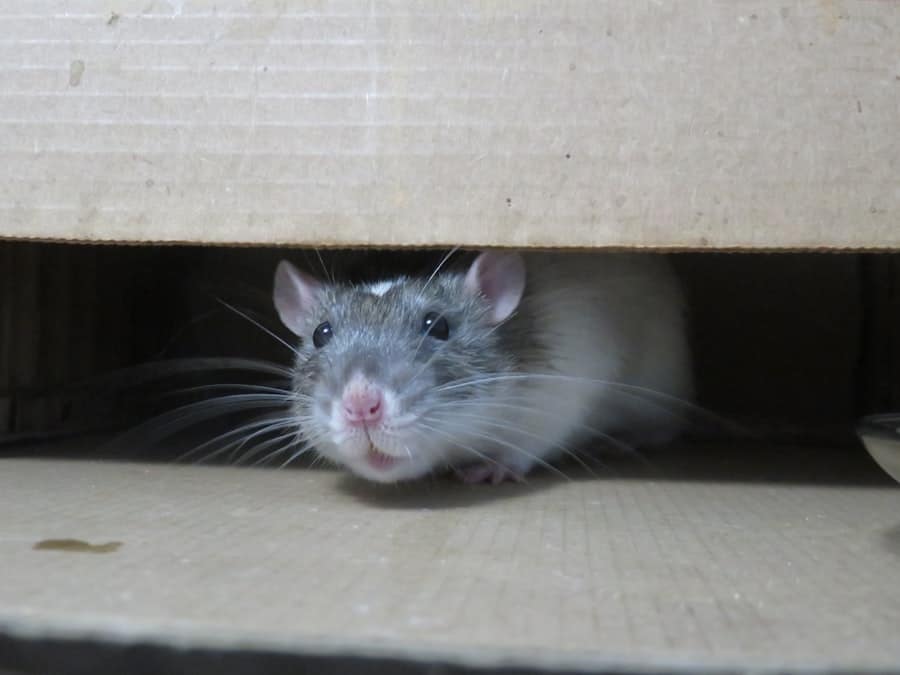
Rodents can be a homeowner’s worst nightmare, especially when they invade your living space. Mice and rats are not only unsightly but can also pose health risks by spreading diseases and contaminating food supplies. If you’ve ever heard the telltale scurrying in your walls or found droppings in your pantry, you know how urgent it is to take action against these unwelcome guests.
The first step in your war on rodents is to identify how they are entering your home and sealing off those entry points. Start by conducting a thorough inspection of your property, looking for gaps around windows, doors, and foundations where rodents might gain access. Use steel wool or caulk to seal these openings effectively.
Additionally, keep your living space tidy by storing food in airtight containers and regularly cleaning up crumbs and spills that could attract rodents. Setting traps in areas where you’ve noticed signs of activity can also be an effective way to catch any intruders. By combining preventive measures with active control strategies, you can create an environment that is less inviting to mice and rats.
Insects and Intruders: Confronting Ants, Cockroaches, and Other Creepy Crawlers
Insects can invade your home in droves, turning your sanctuary into a battleground against ants, cockroaches, and other creepy crawlers. You may find yourself battling these tiny intruders as they march across your countertops or scuttle across your floors. Ants are particularly persistent, often forming long lines as they search for food sources, while cockroaches can be elusive and difficult to eradicate once they establish a presence in your home.
To effectively confront these pests, you need a multi-faceted approach. Begin by identifying the specific types of insects you’re dealing with, as different species may require different treatment methods. For ants, locate their entry points and eliminate any food sources that may be attracting them.
You can use bait traps that contain poison to target the entire colony effectively. For cockroaches, maintaining cleanliness is paramount; ensure that all food is stored properly and that surfaces are regularly cleaned to remove crumbs and spills. If infestations persist despite your efforts, consider consulting a pest control professional who can provide targeted treatments tailored to your specific situation.
The Buzzing Menace: Dealing with Bees, Wasps, and Hornets
While bees play a crucial role in pollination and maintaining our ecosystem, their presence can become problematic when they decide to build nests near your home. Wasps and hornets can be particularly aggressive when defending their territory, making encounters with them potentially dangerous. If you’ve found yourself dodging buzzing insects while trying to enjoy your backyard, it’s essential to take steps to manage these flying nuisances effectively.
To deal with bees, wasps, and hornets, start by identifying their nesting sites and determining whether they pose an immediate threat. If the nest is small and easily accessible, you might consider removing it yourself during the evening when the insects are less active. However, if you’re dealing with a larger nest or if you’re unsure about handling it safely, it’s best to call in professionals who specialize in pest removal.
Additionally, you can deter these insects by keeping outdoor food covered and cleaning up spills promptly to avoid attracting them in the first place.
Unwelcome Guests: Managing Skunks and Other Unwanted Visitors
Skunks are notorious for their potent defense mechanism—their spray—which can leave an unpleasant odor lingering for days. If you’ve ever encountered one of these black-and-white critters in your yard, you know how important it is to manage their presence effectively. Skunks are often drawn to areas where food is readily available, so understanding their habits can help you prevent unwanted encounters.
To keep skunks at bay, start by eliminating potential food sources around your property. Secure garbage cans with tight-fitting lids and avoid leaving pet food outside overnight. If you have fruit trees or gardens, consider using fencing or netting to protect them from skunks digging for food.
Additionally, motion-activated lights or noise devices can help deter skunks from entering your yard after dark. By taking these preventive measures, you can minimize the chances of an unwelcome encounter with these smelly visitors.
Wildlife Woes: Navigating Encounters with Deer, Rabbits, and Other Nuisance Animals
If you live near wooded areas or open fields, you may find yourself dealing with wildlife such as deer and rabbits that venture into your yard in search of food. While these animals can be beautiful to observe from a distance, they can wreak havoc on gardens and landscaping when they decide to munch on your plants. To navigate encounters with these nuisance animals effectively, it’s essential to implement strategies that protect your outdoor space while respecting wildlife.
One effective method for deterring deer is to use fencing around your garden or yard. A tall fence—at least eight feet high—can prevent deer from jumping over it while also keeping smaller animals out. For rabbits, consider using wire mesh or chicken wire around vulnerable plants to protect them from being eaten.
Additionally, planting deer-resistant plants or using repellents can help keep these animals at bay without causing harm. By taking proactive measures, you can enjoy the beauty of nature while safeguarding your garden from wildlife woes.
Beyond the Basics: Advanced Techniques for Pest Control and Prevention
Once you’ve implemented basic pest control measures around your home, you may find that some issues persist despite your best efforts. In such cases, it may be time to explore advanced techniques for pest control and prevention that go beyond traditional methods. Integrated Pest Management (IPM) is one approach that combines various strategies to create a comprehensive plan tailored to your specific pest problems.
IPM involves monitoring pest populations regularly and using a combination of biological control methods—such as introducing natural predators—alongside chemical treatments when necessary. This holistic approach not only targets existing pests but also focuses on preventing future infestations by addressing environmental factors that contribute to pest problems. Additionally, investing in regular inspections by pest control professionals can help identify potential issues before they escalate into full-blown infestations.
By adopting advanced techniques for pest control and prevention, you can create a healthier living environment while minimizing the impact of unwanted guests in your home.
If you enjoyed reading about real stories of confronting small animal invaders in Pest Control Chronicles, you may also be interested in learning about the best pest control service in Henderson, Nevada. This article discusses the importance of finding a reliable pest control service to effectively manage and prevent infestations in your home. Check out this article for more information on how to keep your home pest-free.
FAQs
What are some common small animal invaders that people encounter in their homes?
Some common small animal invaders that people encounter in their homes include mice, rats, squirrels, raccoons, bats, and insects such as ants, cockroaches, and termites.
How can small animal invaders be prevented from entering a home?
Small animal invaders can be prevented from entering a home by sealing any cracks or openings in the exterior of the home, keeping food stored in airtight containers, maintaining a clean and clutter-free environment, and trimming back trees and shrubs that may provide access to the home.
What are some signs that indicate a small animal invader may be present in a home?
Some signs that indicate a small animal invader may be present in a home include droppings, gnaw marks on food packaging or structural materials, scratching or scurrying noises, nests or burrows, and sightings of the animals themselves.
What are some effective methods for controlling small animal invaders in a home?
Effective methods for controlling small animal invaders in a home include using traps, baits, and repellents, sealing off entry points, removing food and water sources, and seeking professional pest control services if the infestation is severe.
Are there any health risks associated with small animal invaders in a home?
Yes, small animal invaders in a home can pose health risks by spreading diseases, contaminating food and water sources, and causing damage to the home’s structure and electrical wiring. It is important to address infestations promptly to minimize these risks.