
As you step into your backyard, the vibrant colors of birds flitting about can bring a sense of joy and tranquility. Birdfeeders serve as a delightful way to attract these feathered friends, allowing you to observe their behaviors and enjoy their songs. However, the presence of small animal pests can quickly turn this serene experience into a frustrating battle.
Squirrels, raccoons, and other critters often see your birdfeeders as an all-you-can-eat buffet, leading to a host of challenges for bird enthusiasts. Understanding the dynamics between these small animals and your birdfeeding efforts is essential for creating a harmonious environment where both birds and nature can thrive. In this article, you will explore the common small animal pests that invade backyards, the impact they have on birdfeeders, and effective strategies to deter them.
You will also learn how to choose the right birdfeeders and seeds that minimize attraction to these pests. By creating a pest-resistant feeding area, you can enjoy the beauty of birdwatching while maintaining a balance between wildlife conservation and pest management.
Key Takeaways
- Small animal pests can be a nuisance for birdfeeders and backyard wildlife enthusiasts.
- Common small animal pests include squirrels, raccoons, mice, and birds like starlings and pigeons.
- Small animal pests can impact birdfeeders by stealing birdseed, damaging feeders, and scaring away birds.
- Strategies for deterring small animal pests include using baffles, traps, and repellents.
- Choosing the right birdfeeders and birdseed can minimize small animal pest attraction and create a pest-resistant bird feeding area.
Common Small Animal Pests in Backyards
Here is the rewritten text with 3-4 Squirrels: The Acrobatic Thieves
Squirrels are perhaps the most notorious offenders, known for their acrobatic skills and relentless determination to access birdfeeders. These agile creatures can leap from tree branches or climb poles with ease, often leaving you exasperated as they munch on the seeds meant for your avian visitors.
Raccoons: The Nocturnal Scavengers
Raccoons are another common nuisance that can wreak havoc on your birdfeeding setup. These nocturnal scavengers are known for their dexterous paws, which allow them to open feeders and containers with surprising finesse. If you’ve ever found your birdseed scattered across the ground or your feeder hanging askew, it’s likely that a raccoon has paid a visit during the night.
Other Small Mammals: Joining the Fray
Other small mammals, such as opossums and rabbits, may also join the fray, further complicating your efforts to attract birds while keeping pests at bay. Their playful antics may be entertaining at first, but their insatiable appetite can quickly deplete your birdseed supply.
The Impact of Small Animal Pests on Birdfeeders
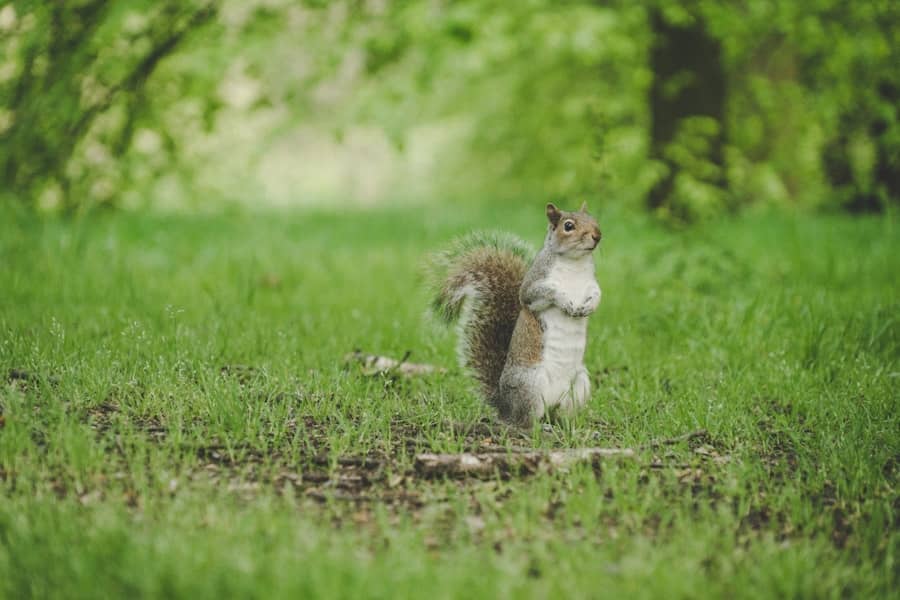
The presence of small animal pests can significantly impact your birdfeeding experience. When squirrels and raccoons invade your feeders, they not only consume the seeds but also create a mess that can deter birds from visiting. Birds are naturally cautious creatures, and if they sense danger or disruption in their feeding area, they may choose to stay away altogether.
This means that your efforts to attract beautiful songbirds could be thwarted by the very pests you’re trying to manage. Moreover, small animal pests can lead to increased competition for food resources among birds. When squirrels monopolize the feeders, they can push away smaller birds that rely on those seeds for sustenance.
This imbalance can disrupt the local ecosystem and affect the diversity of bird species in your backyard. As a result, it becomes crucial to implement strategies that not only protect your birdfeeders but also promote a healthy environment for all wildlife.
Strategies for Deterring Small Animal Pests
To reclaim your birdfeeding space from small animal pests, you’ll need to employ a variety of strategies designed to deter them effectively. One of the most straightforward methods is to invest in squirrel-proof birdfeeders. These feeders are specifically designed with mechanisms that prevent squirrels from accessing the seeds while still allowing birds to feed freely.
Look for models with weight-sensitive perches or cages that enclose the feeder, making it difficult for larger animals to reach the food. Another effective strategy is to place your feeders in locations that are less accessible to pests. Positioning them on tall poles or hanging them from wires can create barriers that deter squirrels and raccoons from reaching them.
Additionally, consider using baffles—devices that prevent animals from climbing up poles or hanging structures. By combining these physical deterrents with strategic placement, you can significantly reduce the likelihood of small animal pests raiding your feeders.
Choosing Birdfeeders and Birdseed to Minimize Small Animal Pest Attraction
When selecting birdfeeders and seeds, it’s essential to consider options that minimize attraction to small animal pests. Opt for feeders that dispense seeds in a way that makes it challenging for squirrels and other critters to access them. Tube feeders with small openings are particularly effective, as they allow only smaller birds to feed while keeping larger animals at bay.
In terms of birdseed, consider using blends that are less appealing to squirrels and other pests. For instance, sunflower seeds are a favorite among many birds but are also highly attractive to squirrels. Instead, you might choose seeds like safflower or nyjer (thistle) seeds, which are less palatable for these small mammals but still attract a variety of birds.
By being selective about both feeders and seeds, you can create an environment that prioritizes avian visitors while discouraging unwanted guests.
Creating a Pest-Resistant Bird Feeding Area
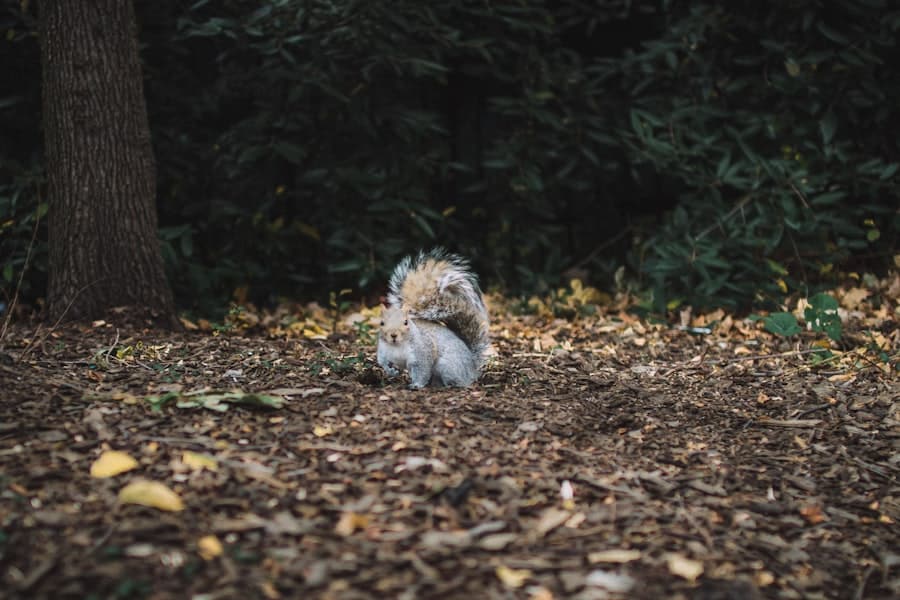
Designing a pest-resistant bird feeding area requires thoughtful planning and execution. Start by selecting an appropriate location that is away from trees or structures that squirrels could use as launching pads. Ideally, place your feeders at least 10 feet away from any potential climbing surfaces.
This distance will make it more challenging for squirrels to reach the feeders and will help keep them focused on other food sources. In addition to strategic placement, consider incorporating natural barriers into your feeding area. Planting thorny bushes or dense shrubs around the perimeter can create obstacles for small animals attempting to access the feeders.
Furthermore, maintaining cleanliness in your feeding area is crucial; regularly clean up spilled seeds and debris to avoid attracting unwanted pests looking for an easy meal. By combining these elements, you can create a sanctuary for birds while minimizing the chances of small animal invasions.
Balancing Wildlife Conservation and Pest Management
As you navigate the challenges of managing small animal pests in your backyard, it’s essential to strike a balance between wildlife conservation and pest management. While it’s tempting to take drastic measures against these critters, it’s important to remember that they play vital roles in the ecosystem as well. Squirrels and raccoons contribute to seed dispersal and help maintain biodiversity in their own right.
Instead of viewing small animal pests solely as nuisances, consider adopting a more holistic approach that respects their place in nature while protecting your birdfeeding efforts. Implementing humane deterrents and fostering an environment where both birds and small mammals can coexist will lead to a more sustainable backyard ecosystem. By understanding the interconnectedness of wildlife, you can enjoy birdwatching while also appreciating the role of all creatures in your outdoor space.
Enjoying Birdwatching while Managing Small Animal Pests
In conclusion, creating an inviting space for birds while managing small animal pests is entirely achievable with the right strategies and mindset. By understanding the common pests that invade backyards and their impact on birdfeeders, you can take proactive steps to deter them effectively. Choosing appropriate feeders and seeds will further enhance your chances of attracting beautiful birds without succumbing to frustration over pesky critters.
Ultimately, enjoying birdwatching is about finding harmony in your backyard ecosystem. By implementing pest-resistant strategies and fostering an environment where both birds and small mammals can thrive, you’ll create a space that celebrates nature’s diversity. With patience and persistence, you can transform your backyard into a sanctuary for avian visitors while managing small animal pests in a respectful manner.
So grab your binoculars, settle into your favorite spot, and relish the beauty of nature unfolding before you—pests included!
If you are struggling to find a balance between attracting birds to your backyard with birdfeeders and dealing with small animal pests, you may want to consider hiring a professional pest control service. Thrift Pest Control offers the best pest control services in Detroit, Michigan, Orlando, Florida, and Scottsdale, Arizona. Their experienced technicians can help you manage small animal pests while still enjoying the beauty of birds in your backyard. Check out their services here, here, and here.
FAQs
What are small animal pests?
Small animal pests are creatures such as squirrels, raccoons, and mice that can cause damage to property and create a nuisance in residential areas.
How do small animal pests interact with birdfeeders?
Small animal pests are attracted to birdfeeders because of the food source they provide. They may steal birdseed, damage the feeder, or even harm the birds themselves.
What are the potential risks of small animal pests around birdfeeders?
Small animal pests can spread diseases, damage property, and disrupt the natural balance of the backyard ecosystem.
How can homeowners find a balance between attracting birds and deterring small animal pests?
Homeowners can use squirrel-proof birdfeeders, place feeders in strategic locations, and use deterrents such as baffles or repellents to discourage small animal pests.
Are there any natural methods to deter small animal pests from birdfeeders?
Some natural methods to deter small animal pests include planting certain types of plants, using predator decoys, and providing alternative food sources away from the birdfeeders.
What are the legal considerations of dealing with small animal pests around birdfeeders?
It is important to check local regulations and laws regarding the humane treatment of small animal pests before implementing any control measures. In some areas, certain methods may be prohibited.