
When you think about pest control, your mind might immediately jump to chemical sprays and traps. However, the world of small animal pest control is far more nuanced and complex than that. Small animals, such as rodents, rabbits, and certain insects, can wreak havoc on gardens, homes, and agricultural lands.
They can damage crops, spread diseases, and create unsightly messes. As a homeowner or gardener, you may find yourself grappling with the challenge of managing these pests effectively while also considering the environmental impact of your methods. Understanding the dynamics of small animal pest control is essential for anyone looking to maintain a healthy living space or garden.
You may be surprised to learn that there are numerous strategies available that do not rely solely on chemical interventions. By exploring natural methods and understanding the role of various predators in the ecosystem, you can develop a more holistic approach to pest management. This article will delve into the various aspects of small animal pest control, from natural predators to deterrents, providing you with a comprehensive guide to managing these unwelcome guests in a sustainable manner.
Key Takeaways
- Small animal pests can cause damage to property and pose health risks to humans and pets.
- Predators like owls, hawks, and snakes can help control small animal pest populations naturally.
- Deterrents such as fencing, repellents, and noise can be effective in keeping small animal pests away.
- Birds of prey play a crucial role in pest control by hunting and feeding on small animal pests.
- Domesticated animals like cats and dogs can also be used for pest control by hunting and deterring small animal pests.
Predators as Natural Pest Control
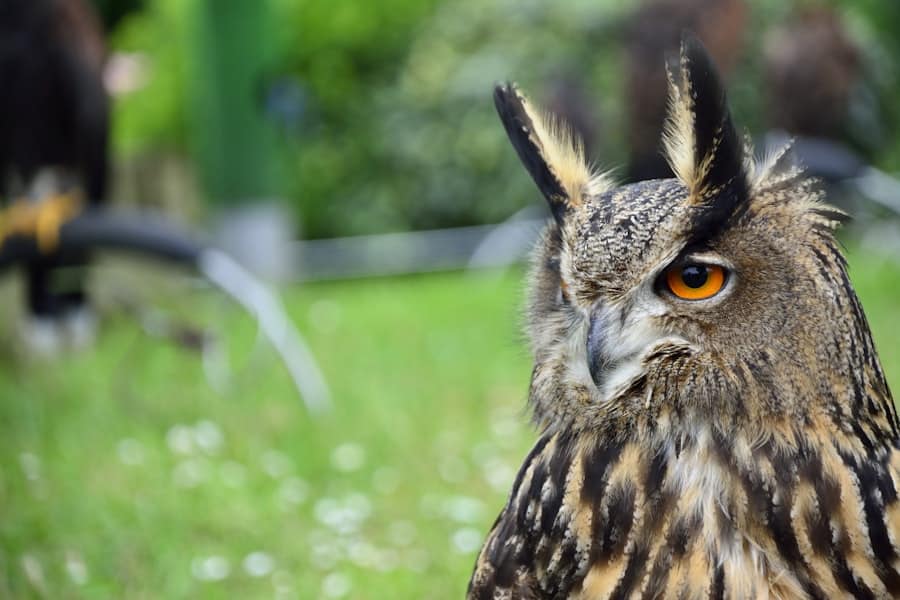
One of the most effective ways to manage small animal pests is by harnessing the power of natural predators. In nature, a delicate balance exists where predators keep prey populations in check. For instance, owls, hawks, and snakes are known to hunt rodents, while certain insects prey on smaller pests like aphids and caterpillars.
By encouraging these natural predators in your environment, you can create a self-regulating system that minimizes the need for human intervention. You might consider creating habitats that attract these beneficial creatures. Planting native flora can provide shelter and food sources for birds and insects that prey on pests.
For example, flowering plants can attract pollinators and predatory insects alike, creating a balanced ecosystem in your garden. Additionally, installing birdhouses or perches can encourage birds of prey to take up residence nearby, further enhancing your pest control efforts. By fostering an environment that supports these natural hunters, you can significantly reduce the population of small animal pests without resorting to harmful chemicals.
Deterrents for Small Animal Pests
In addition to utilizing natural predators, there are various deterrents you can employ to keep small animal pests at bay. These deterrents can range from physical barriers to sensory repellents that make your garden or home less appealing to unwanted visitors. For instance, installing fences or netting around your garden can physically prevent rabbits and other small animals from accessing your plants.
This method not only protects your crops but also allows you to maintain a chemical-free environment. Sensory deterrents are another effective strategy. Many small animals are sensitive to certain smells or sounds that can drive them away.
For example, using strong-smelling substances like garlic or pepper can deter rodents from invading your space. Similarly, motion-activated devices that emit sounds or sprays can startle pests and discourage them from returning. By combining physical barriers with sensory deterrents, you can create a multi-faceted approach to pest control that minimizes harm to the environment while effectively managing small animal populations.
The Role of Birds of Prey in Pest Control
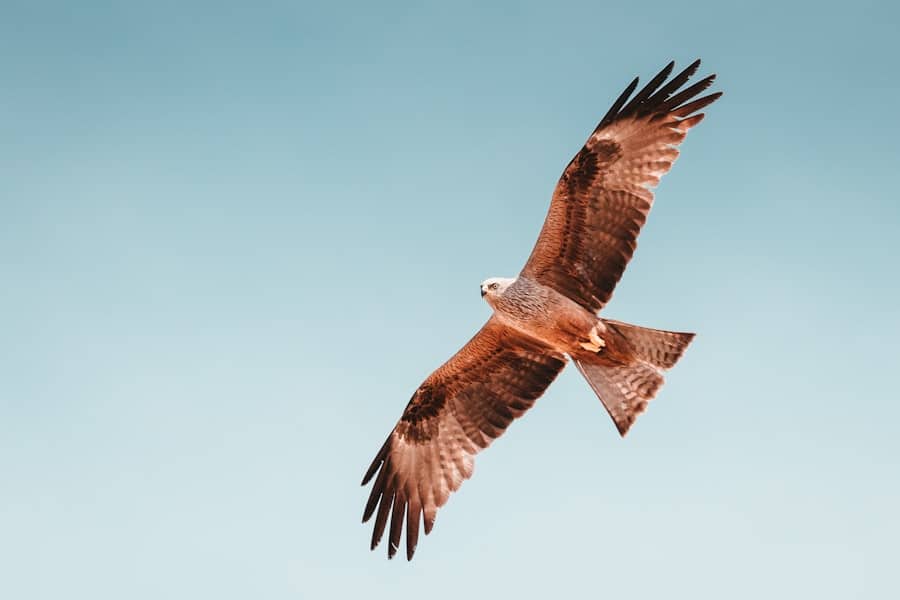
Birds of prey play a crucial role in maintaining ecological balance and controlling small animal populations. These magnificent creatures, including hawks, eagles, and owls, are skilled hunters that can significantly reduce the number of rodents and other small pests in your area. By understanding their habits and preferences, you can encourage their presence in your environment and benefit from their natural pest control abilities.
To attract birds of prey to your property, consider creating an inviting habitat. This could involve providing perches or nesting sites where they can rest and raise their young. Additionally, maintaining an open landscape with minimal obstructions allows these birds to spot their prey more easily.
You might also want to avoid using pesticides that could harm these beneficial birds or their food sources. By fostering an environment conducive to birds of prey, you not only enhance your pest control efforts but also contribute to the overall health of your local ecosystem.
Using Domesticated Animals for Pest Control
In addition to wild predators, domesticated animals can also serve as effective pest control agents. Many farmers and gardeners have successfully employed animals such as cats, dogs, and even chickens to manage small animal populations. For instance, cats are natural hunters that excel at catching rodents, while dogs can be trained to deter larger pests like rabbits or deer from entering gardens.
Chickens are particularly interesting when it comes to pest control; they not only consume insects but also help aerate the soil as they scratch around looking for food. By integrating these animals into your pest management strategy, you can create a more sustainable approach that reduces reliance on chemical solutions. However, it’s essential to ensure that these animals are well cared for and that their presence does not lead to new problems within your ecosystem.
Implementing Natural Predators in Pest Management Plans
Incorporating natural predators into your pest management plan requires careful consideration and planning. You’ll want to assess the specific types of pests you’re dealing with and identify which predators are most effective against them. For example, if you’re struggling with aphids in your garden, introducing ladybugs or lacewings can be an excellent solution since they feed on these pests.
Once you’ve identified suitable natural predators, it’s important to create an environment that supports their survival. This may involve planting specific flowers that attract them or providing shelter where they can thrive. Additionally, consider timing your interventions; introducing predators during peak pest populations can maximize their effectiveness.
By thoughtfully integrating natural predators into your pest management strategy, you can create a balanced ecosystem that minimizes pest issues while promoting biodiversity.
Non-lethal Deterrents for Small Animal Pests
As awareness of environmental conservation grows, many people are seeking non-lethal methods for managing small animal pests. These approaches focus on deterring pests without causing harm or death, aligning with a more humane philosophy of pest control. Non-lethal deterrents can include various strategies such as habitat modification, exclusion techniques, and the use of repellents.
Habitat modification involves altering the environment to make it less appealing to pests. This could mean removing food sources by securing trash bins or cleaning up fallen fruit from trees. Exclusion techniques involve sealing entry points in buildings or using fencing around gardens to prevent access by small animals.
Additionally, employing natural repellents made from essential oils or other organic substances can help keep pests at bay without resorting to harmful chemicals. By adopting non-lethal deterrents, you not only protect your property but also contribute positively to the local ecosystem.
Balancing Pest Control with Environmental Conservation
In conclusion, managing small animal pests requires a thoughtful approach that balances effective control methods with environmental conservation principles. As you navigate this complex landscape, consider integrating natural predators into your pest management strategy while employing non-lethal deterrents that minimize harm to wildlife. By fostering an ecosystem where natural checks and balances thrive, you can create a sustainable environment that benefits both you and the local wildlife.
Ultimately, the goal is not just to eliminate pests but to understand their role within the ecosystem and find ways to coexist harmoniously. By embracing a holistic approach to small animal pest control, you contribute to a healthier environment while ensuring that your home and garden remain vibrant and productive spaces. As you implement these strategies, remember that every action counts toward creating a more sustainable future for both people and wildlife alike.
If you’re interested in learning more about pest control services in different regions, check out this article on the best pest control service in Peoria, Arizona. It provides valuable information on how to effectively deal with pests in that area.
FAQs
What are small animal pests?
Small animal pests are creatures such as rodents, insects, and other small animals that can cause damage to property or pose a threat to human health.
What are some examples of predators that can control small animal pests?
Predators that can help control small animal pests include cats, dogs, birds of prey, and certain species of snakes and insects.
How do predators help control small animal pests?
Predators help control small animal pests by hunting and consuming them, thus reducing their population and preventing infestations.
What are some examples of deterrents that can control small animal pests?
Deterrents that can help control small animal pests include ultrasonic devices, natural repellents such as peppermint oil, and physical barriers such as fences and netting.
How do deterrents help control small animal pests?
Deterrents help control small animal pests by making the environment less hospitable for them, discouraging them from entering or staying in a certain area.
Are there any risks associated with using predators or deterrents for small animal pest control?
Using predators for pest control can pose risks to native wildlife and pets, while using deterrents may not always be effective and can sometimes harm non-target species. It’s important to carefully consider the potential impacts and use these methods responsibly.