
What if you could keep your home free of pests without harming the environment?

Understanding Eco-Friendly Pest Control
Eco-friendly pest control is more than just a trend; it’s a commitment to protecting your home while also safeguarding nature. It involves using methods that reduce toxic exposures and prioritize sustainability. Instead of relying on harsh chemicals, you can adopt strategies that are kinder to your home and the Earth.
The Need for Eco-Friendly Solutions
Conventional pest control often relies on chemical pesticides that can harm beneficial insects, contaminate water sources, and pose risks to human health. Eco-friendly options focus on prevention and natural solutions, making them a safer choice for you and your family.
How to Identify Common Household Pests
Identifying the pests in your home is the first step toward effective control. Different pests require different approaches, so understanding what you’re dealing with is essential.
Common Household Pests
- Ants: Often found in kitchens and pantries, ants can invade in search of food.
- Cockroaches: These nocturnal pests thrive in warm, moist areas.
- Termites: Silent destroyers that can damage your house’s structure.
- Rodents: Mice and rats are drawn to food and shelter indoors.
- Spiders: While many are harmless, some can pose health risks.
Signs of Infestation
- Ant trails leading to food sources
- Droppings or urine stains from rodents
- Hollow-sounding wood due to termites
- Webs and spider sightings
Prevention: Your First Line of Defense
Preventing pests from entering your home is always better than dealing with an infestation later. There are many eco-friendly practices you can adopt to create a pest-free environment.
Keeping Your Home Clean
A clean home is less attractive to pests. Regularly clean your kitchen, remove food residues, and ensure garbage is stored in sealed containers.
Sealing Entry Points
Inspect your home for gaps or cracks where pests might enter. Use caulk or weather stripping to seal windows, doors, and any other potential entry points.
Proper Food Storage
Store food in airtight containers, and avoid leaving pet food out overnight. This simple habit denies pests easy access to a food source.
Natural Pest Control Methods
If pests have already made their way into your space, don’t fret! There are natural methods you can employ to address the problem.
Essential Oils
Many essential oils are natural repellents. Peppermint oil, for instance, is effective against ants and spiders. To use it, mix a few drops with water in a spray bottle and apply to areas where you suspect pest activity.
Diatomaceous Earth
This natural powder is made from fossilized algae and can be used to combat crawling insects like ants and cockroaches. Sprinkle it in areas where pests are seen, but be cautious and avoid inhaling the powder.
Vinegar Solutions
A mixture of equal parts vinegar and water can be sprayed on surfaces to deter pests. The strong smell is unpleasant to many insects, effectively keeping them at bay.
Biological Control Options
Sometimes, allowing nature to take its course can be remarkably effective. Biological control involves using natural predators to manage pest populations.
Encouraging Beneficial Insects
Invite beneficial insects like ladybugs and lacewings into your garden. They naturally feed on problematic pests such as aphids. You can attract them by planting flowers like marigolds and daisies.
Introducing Nematodes
Nematodes are microscopic worms that can be introduced to your garden and are effective against soil-borne pests. They invade and kill harmful insects, providing a natural solution to your pest problem.
Organic Pest Control Products
If you prefer ready-made solutions, there are various organic pest control products available that are safe for your home and the environment.
Commercial Eco-Friendly Sprays
Look for sprays that are labeled as organic or made from plant-based ingredients. Read the labels to ensure they contain no harmful chemicals.
Traps
Sticky traps and pheromone traps can be effective for monitoring and controlling pest populations. They’re accessible and can be used without risking environmental harm.

The Role of Habitat Management
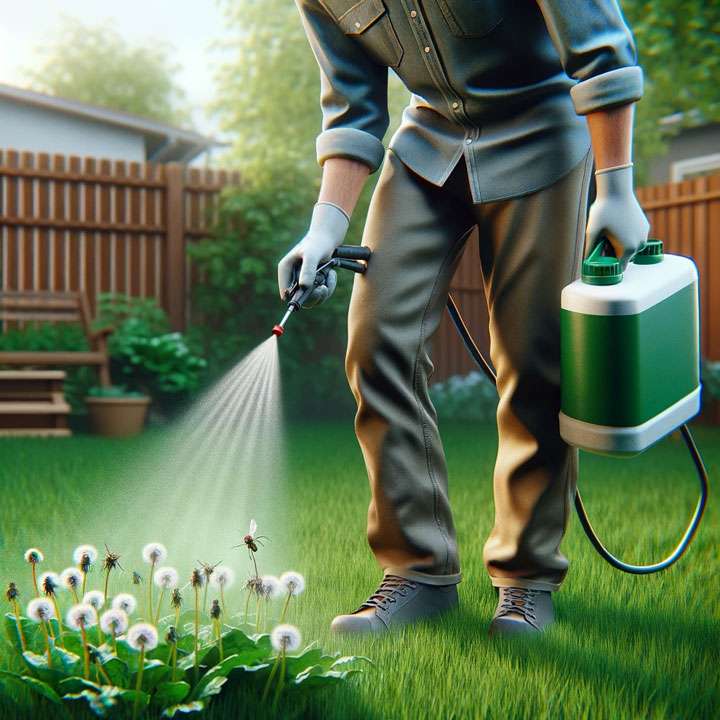
Managing your outdoor space is crucial for long-term pest control. By altering your landscape, you can significantly reduce the likelihood of infestations.
Landscape Design
Avoid planting vegetation that attracts pests close to your home’s foundation. Instead, create a barrier of plants that repel pests around your home.
Water Management
Standing water can create a haven for mosquitoes and other pests. Ensure that gutters are cleared and that you regularly check for any stagnant water sources in your yard.
Handling Specific Pest Problems
Let’s get specific about how to deal with some common pest issues using eco-friendly methods.
Ant Control
- Boric Acid: A natural insecticide that can be mixed with sugar water. Place this mixture in areas where ants are active, and they will carry it back to the colony, leading to effective control.
Cockroach Control
- Baking Soda and Sugar: A mixture of these two can be placed in areas where roaches frequent. The sugar attracts them, while the baking soda kills them after ingestion.
Termite Control
- Cardboard Traps: Lay out a few wet cardboard pieces in an area where you suspect termite activity. Once termites are attracted, you can dispose of the cardboard safely.
Rodent Control
- Peppermint Oil: Cotton balls soaked in peppermint oil can be placed in corners where you’ve seen rodent activity. The strong smell discourages them from nesting.
Spider Control
- Natural Repellents: A mixture of water and essential oils or a homemade vinegar solution can help keep spiders away.

The Importance of Professional Help
While DIY methods can be effective, sometimes a pest infestation can overwhelm your efforts. In such cases, seeking help from a professional eco-friendly pest control service is wise.
What to Look For in a Service
When selecting a pest control service, check that they emphasize eco-friendliness in their approach. Look for certifications or memberships in organizations that prioritize sustainable practices.
Questions to Ask
- What methods do you use?
- Are your products safe for pets and children?
- Can you provide an evaluation of your ecological impact?
Monitoring and Maintenance
Effective pest control is a continuous process. Regular monitoring and maintenance can help you keep pests at bay.
Routine Inspections
Conduct regular checks around your property, including attics and basements. Early detection is crucial to managing any potential pest issue before it becomes a larger problem.
Seasonal Preparations
Certain times of the year can increase the likelihood of pests. Prepare ahead of peak seasons by implementing preventive measures.
Conclusion
Creating a pest-free home while remaining environmentally conscious is entirely achievable. With a mixture of prevention, natural remedies, and careful management, you can maintain a harmonious balance between a bug-free home and a healthy planet.
Whether you’re dealing with ants or spiders, remember that small steps can lead to a big impact. Your commitment to eco-friendly practices will not only improve your home but also contribute to the well-being of your community and the environment. It’s a win-win for everyone!
By combining these methods, you’ll find that maintaining a green and bug-free home is less daunting than it seems. Every action, no matter how small, contributes to a healthier planet, which is something we can all appreciate. So go ahead, embrace these practices and enjoy your pest-free sanctuary!