As dawn breaks, you find yourself gearing up for another day in the unpredictable world of pest control. The sun peeks through the horizon, casting a warm glow on your tools and equipment, each piece a vital part of your daily arsenal. You start your day with a cup of coffee, mentally preparing for the challenges ahead.
Your phone buzzes with notifications, each one a reminder of the various infestations waiting for your expertise. From ants marching in a line to rodents scurrying in the shadows, you know that every call represents a unique story and a new set of problems to solve. Your first appointment takes you to a suburban home where a family has reported an ant invasion.
As you arrive, you can see the concern etched on their faces. You greet them warmly, reassuring them that you’re here to help. With your trusty notepad in hand, you begin your assessment, inspecting the kitchen and surrounding areas for signs of the tiny invaders.
You take note of their trails and potential entry points, all while explaining your process to the homeowners. This interaction is not just about pest control; it’s about building trust and providing peace of mind. You know that for many, this is more than just an inconvenience; it’s a source of anxiety that can disrupt their daily lives.
Key Takeaways
- Pest control requires a delicate balance of understanding bug behavior and implementing effective control techniques.
- Dealing with infestations can be challenging and requires a combination of patience, persistence, and expertise.
- Pest control techniques have evolved over time, with innovations and advancements leading to more effective and environmentally friendly methods.
- Interacting with homeowners and business owners is an important aspect of pest control, requiring empathy, communication, and problem-solving skills.
- The emotional toll of dealing with pests can be significant, but the insights and lessons learned from the Pest Whisperer can help navigate these challenges.
Uncovering the Secrets of Bug Behavior
Understanding bug behavior is akin to deciphering a complex language. Each species has its own habits, preferences, and social structures that dictate how they interact with their environment and each other. You’ve spent years studying these patterns, learning to read the signs that indicate what pests are up to.
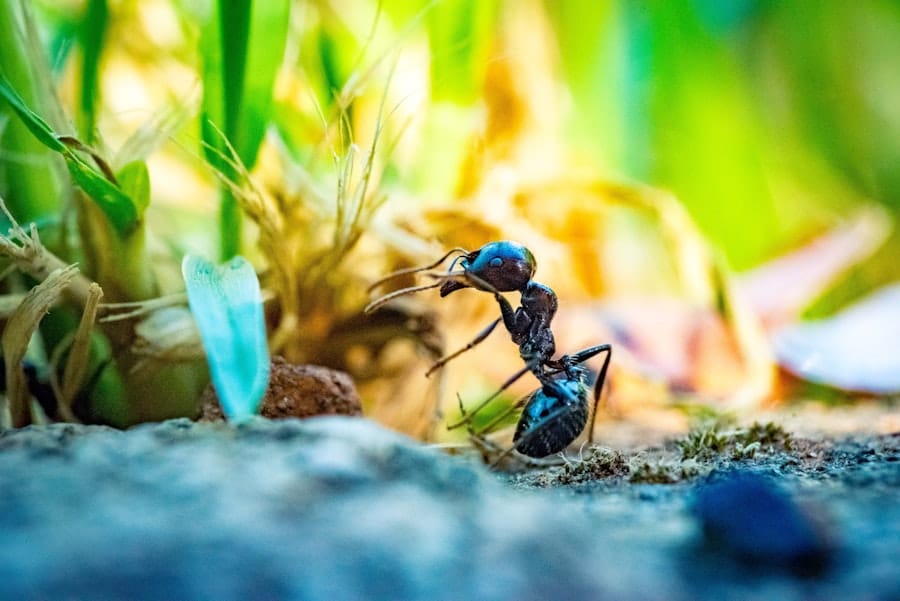
For instance, you know that ants communicate through pheromones, leaving trails for others to follow. This knowledge allows you to anticipate their movements and devise effective strategies for eradication. You also recognize that not all bugs are created equal; some are more resilient than others.
Cockroaches, for example, are notorious for their ability to adapt and survive in harsh conditions. By observing their behavior, you can identify their hiding spots and breeding grounds, which is crucial for effective treatment. This deep understanding of pest behavior not only enhances your effectiveness but also allows you to educate homeowners about prevention strategies.
You find that when people understand why pests invade their spaces, they are more likely to take proactive measures to keep them at bay.
The Art of Pest Control: A Delicate Balance

Pest control is not merely about extermination; it’s an intricate dance that requires finesse and strategy. You’ve learned that the most effective pest management involves a combination of methods tailored to each situation. Chemical treatments may be necessary in some cases, but you also prioritize integrated pest management (IPM) techniques that focus on long-term solutions.
This approach emphasizes prevention and monitoring, reducing reliance on chemicals whenever possible. As you navigate this delicate balance, you often find yourself weighing the pros and cons of various methods. You consider the potential impact on non-target species and the environment while striving to meet the needs of your clients.
This ethical consideration is paramount; after all, your goal is not just to eliminate pests but to do so in a way that minimizes harm to the ecosystem. You take pride in being a responsible pest control professional, knowing that your choices can have far-reaching consequences.
The Challenges of Dealing with Infestations
Every infestation presents its own set of challenges, and you’ve encountered a wide array over the years. Some cases are straightforward, while others require creative problem-solving and persistence. For instance, dealing with bedbugs can be particularly daunting due to their elusive nature and ability to hide in tiny crevices.
You’ve learned that thorough inspections and multiple treatment methods are often necessary to eradicate these pests completely. Moreover, you face emotional challenges as well. Homeowners often feel embarrassed or overwhelmed when dealing with infestations, and it’s your job to provide reassurance and support.
You’ve developed a keen sense of empathy, understanding that these situations can be distressing for families and business owners alike. By approaching each case with compassion and professionalism, you help alleviate their fears while working diligently to restore their peace of mind.
The Evolution of Pest Control Techniques
The field of pest control has evolved significantly over the years, driven by advancements in technology and a deeper understanding of pest behavior. You’ve witnessed firsthand how traditional methods have given way to more sophisticated approaches that prioritize safety and efficacy. For example, the development of targeted baits and traps has revolutionized how certain pests are managed, allowing for more precise interventions.
Additionally, the rise of eco-friendly products has transformed the industry landscape. As consumers become more environmentally conscious, you’ve adapted your practices to incorporate sustainable solutions whenever possible. This shift not only aligns with your values but also meets the growing demand for responsible pest management options.
You take pride in being at the forefront of these changes, continually seeking out new techniques and products that enhance your ability to serve your clients effectively.
Tales from the Frontlines: Confronting the Toughest Cases
Throughout your career as a pest control professional, you’ve encountered some truly memorable cases that have tested your skills and resolve. One such case involved a commercial kitchen plagued by a severe rodent infestation. The stakes were high; not only was the business at risk of losing customers, but health regulations were also at play.
You worked tirelessly alongside the restaurant staff, implementing a comprehensive plan that included sanitation measures, exclusion techniques, and targeted treatments. Another challenging case involved a family home where termites had caused significant structural damage before they were even detected. The homeowners were devastated upon discovering the extent of the infestation, but you approached the situation with determination and expertise.
By conducting thorough inspections and collaborating with contractors for repairs, you helped them navigate this difficult experience while ensuring their home was safe once again.
The Human Element: Interacting with Homeowners and Business Owners
Your role as a pest control professional extends beyond technical expertise; it’s also about building relationships with homeowners and business owners. Each interaction is an opportunity to connect on a personal level, understanding their concerns and providing tailored solutions. You’ve learned that effective communication is key; explaining your processes in layman’s terms helps demystify pest control for those who may feel overwhelmed.
You often find yourself in situations where empathy is crucial. Homeowners may feel embarrassed about an infestation or anxious about potential damage to their property. By actively listening to their concerns and offering reassurance, you create an environment where they feel comfortable discussing their issues openly.
This rapport not only fosters trust but also enhances your ability to address their needs effectively.
The Environmental Impact of Pest Control
As a pest control professional, you are acutely aware of the environmental implications of your work. The use of chemicals can have unintended consequences on local ecosystems if not managed responsibly. You strive to minimize this impact by employing integrated pest management techniques that prioritize non-chemical solutions whenever possible.
This approach not only protects beneficial insects but also contributes to healthier environments for both humans and wildlife. You also advocate for education among your clients regarding sustainable practices they can adopt in their homes or businesses. Simple measures like proper waste disposal, sealing entry points, and maintaining cleanliness can significantly reduce pest problems without relying solely on chemical treatments.
By promoting these practices, you empower homeowners to take an active role in pest prevention while fostering a greater awareness of environmental stewardship.
The Future of Bug Control: Innovations and Advancements
The future of pest control is bright, filled with innovations that promise to enhance effectiveness while prioritizing safety and sustainability. You keep a close eye on emerging technologies such as smart traps equipped with sensors that can detect pest activity in real-time. These advancements allow for more precise interventions and reduce unnecessary treatments.
Additionally, research into biological control methods continues to gain traction as scientists explore natural predators as alternatives to chemical pesticides. You find this particularly exciting; it aligns with your commitment to environmentally friendly practices while offering new avenues for effective pest management. As these innovations unfold, you remain dedicated to staying informed and adapting your techniques accordingly.
The Emotional Toll of Dealing with Pests
While your work is rewarding, it’s not without its emotional tolls. Dealing with infestations can be stressful for both you and your clients; witnessing their distress can weigh heavily on your heart. You’ve learned to manage this emotional burden by focusing on the positive outcomes you create through your efforts.
Each successful eradication brings relief not only to homeowners but also to you as a professional dedicated to restoring comfort in their lives. Moreover, you find solace in connecting with fellow professionals who understand the unique challenges of this field. Sharing experiences and strategies helps alleviate some of the emotional strain while fostering camaraderie among those who share your passion for pest control.
Lessons Learned: Insights from the Pest Whisperer
Reflecting on your journey as a pest control professional, you realize that each experience has imparted valuable lessons that extend beyond technical skills. Patience is paramount; infestations often require time and persistence to resolve fully. You’ve learned that success is not always immediate but rather a gradual process built on careful planning and execution.
Additionally, you recognize the importance of continuous learning in this ever-evolving field. Staying informed about new techniques, products, and research ensures that you remain at the forefront of pest management practices. Ultimately, your journey as “The Pest Whisperer” has taught you not only about bugs but also about resilience, empathy, and the power of human connection in overcoming challenges together.
If you enjoyed reading The Pest Whisperer Chronicles: Confessions from the Frontlines of Bug Control, you may also find The Hidden Dangers: How Pests Can Impact Your Health and Home to be an informative read. This article delves into the potential health risks associated with pest infestations and offers tips on how to protect your home and loved ones. Additionally, if you’re looking for practical tips on preventing pests from invading your space, check out Pest Prevention Hacks: Stay Ahead of the Critters. And if you happen to be in Eugene, Oregon and are in need of professional pest control services, be sure to read about the Best Pest Control Service in Eugene, Oregon.
FAQs
What is The Pest Whisperer Chronicles: Confessions from the Frontlines of Bug Control about?
The Pest Whisperer Chronicles is a collection of stories and experiences from a professional bug control expert, offering insights into the world of pest management and the challenges faced in dealing with various types of pests.
Who is the author of The Pest Whisperer Chronicles: Confessions from the Frontlines of Bug Control?
The author of The Pest Whisperer Chronicles is a professional bug control expert who has extensive experience in the field of pest management and has decided to share their experiences and insights in this collection.
What can readers expect to learn from The Pest Whisperer Chronicles: Confessions from the Frontlines of Bug Control?
Readers can expect to gain a deeper understanding of the challenges and intricacies involved in bug control, as well as insights into the behavior and habits of different types of pests. The book also offers practical tips and strategies for managing and preventing pest infestations.
Is The Pest Whisperer Chronicles: Confessions from the Frontlines of Bug Control suitable for professionals in the pest control industry?
Yes, the book is suitable for professionals in the pest control industry as it provides real-life experiences and practical insights that can be valuable for those working in the field. It offers a unique perspective on bug control and pest management.
Can The Pest Whisperer Chronicles: Confessions from the Frontlines of Bug Control be helpful for homeowners dealing with pest issues?
Yes, the book can be helpful for homeowners dealing with pest issues as it offers practical tips and strategies for managing and preventing pest infestations. It also provides insights into the behavior and habits of different types of pests, which can be useful for homeowners looking to address pest problems in their homes.