
Best Pest Prevention Hacks: Stay Ahead Of The Critters
What if you could keep your home free from unwanted critters with just a few simple tweaks in your daily routine?
Understanding the Importance of Pest Prevention
When it comes to homeownership, keeping pests at bay can be one of those tasks that often gets overlooked—until it’s too late. The truth is that a proactive approach to pest prevention saves you from potential damage and secures your peace of mind.
Why Preventing Pests is Necessary
Preventing pests is crucial for maintaining a healthy and safe living environment. When pests infest your home, they can pose various health risks, damage your belongings, and create an uninviting atmosphere. But nobody wants to share their space with unwelcome guests.
Common Household Pests
Certain critters are more common than others when it comes to household invasions. Here’s a quick look:
| Pest | Description | Potential Damage |
|---|---|---|
| Ants | Small insects that often form large colonies. | Damage to food and property. |
| Cockroaches | Nocturnal pests that thrive in warm, humid areas. | Spread of pathogens and allergens. |
| Rodents | Mice and rats reproduce quickly. | Damage to wiring and food. |
| Termites | Wood-eating insects that can cause structural damage. | Severe structural damage to homes. |
| Bed Bugs | Tiny insects that feed on blood, often at night. | Itchy bites and sleep disturbances. |
Awareness of these critters can help you take preventive measures to ensure they don’t invade your home.
Pests and Your Home: The Connection
Ensuring that your home remains pest-free begins with understanding how these critters operate. They are often attracted to food sources, shelter, and warm environments. Knowing their needs can help you effectively thwart their attempts.
How Pests Enter Your Home
Pests can enter through the smallest of openings. Cracks in walls, gaps around windows and doors, and even small holes in foundations can provide access.
Signs of Infestation
While you may not see pests roaming around, there are signs to look for:
- Droppings or skid marks
- Nests or burrows
- Signs of gnawing or scratching sounds
- Unusual odors, particularly in the case of rodents
Being vigilant about these signs can lead to early detection.
Simple Hacks for Pest Prevention
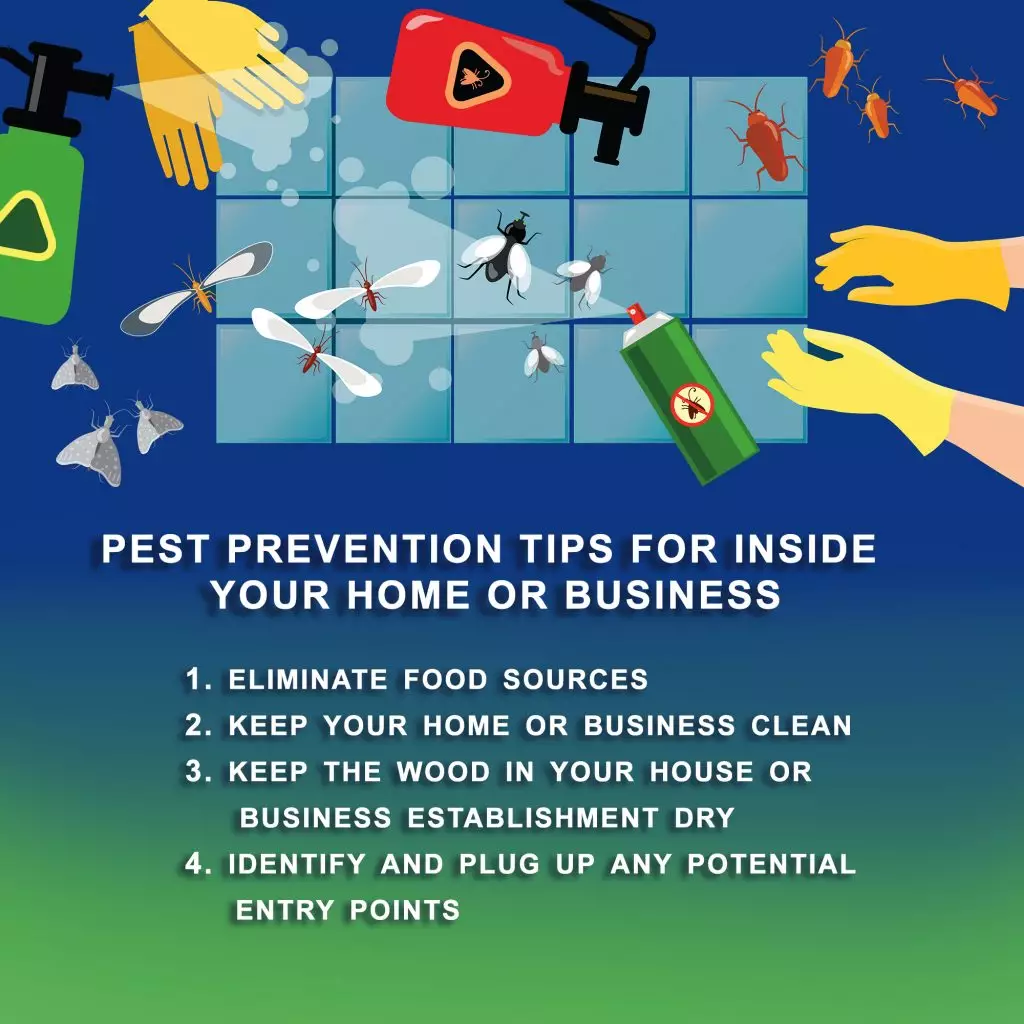
Reinforcing your home against pests doesn’t have to be complicated. A few straightforward hacks can make a significant difference.
Seal Up Cracks and Crevices
One of the simplest yet often overlooked strategies is sealing up cracks and crevices around your home.
- Steps to Seal Cracks:
- Inspect exterior walls and the foundation.
- Use caulk for small gaps and expandable foam for larger openings.
- Don’t forget to check window frames, doors, and vents.
Filling these gaps prevents entry points for pests, making it harder for them to invade your space.
Keep a Clean Home
A clean home is a less inviting environment for pests. Regular cleaning eliminates food sources and nesting materials.
Key Areas to Focus On:
| Area | Tips for Cleaning | Frequency |
|---|---|---|
| Kitchen | Wipe down surfaces, store food tightly | Daily |
| Living Room | Vacuum regularly, declutter items | Weekly |
| Bedroom | Wash bed linens, check for dust | Bi-weekly |
| Bathroom | Clean regularly to prevent moisture | Weekly |
Keeping your home as clutter-free as possible enhances your living environment and makes it less attractive to pests.
Remove Outdoor Attractions
Your yard can be a breeding ground for pests if not properly maintained.
- What to Do:
- Cut back overgrown vegetation.
- Store firewood away from the home.
- Place trash bins away from the house and seal them tightly.
Attention to the outdoors reduces the chances of pests migrating into your home.
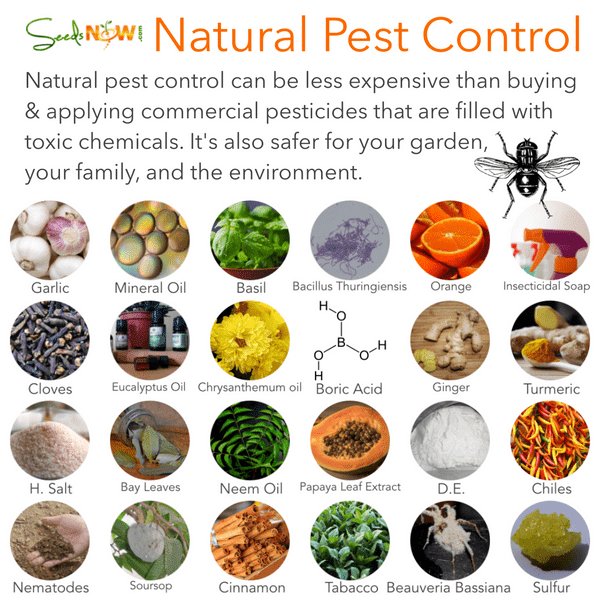
Natural Pest Repellents
Sometimes, there are better options than commercial treatments for pest control. Nature provides alternative solutions that can be highly effective.
Essential Oils
Essential oils, known for their pleasant scents, can also repel various pests.
| Essential Oil | Pests Targeted | Application |
|---|---|---|
| Peppermint | Ants, spiders | You can use it in a spray bottle with water. |
| Tea Tree | Cockroaches | Mix with water and spray in affected areas. |
| Lavender | Moths and flies | Place sachets or spray diluted oil around the home. |
| Eucalyptus | Mosquitoes | Use a diffuser or apply diluted oil on the skin. |
Trusting natural ingredients can help you keep pests at bay without exposing yourself or your family to harsh chemicals.
Diatomaceous Earth
A natural compound derived from fossilized phytoplankton, diatomaceous earth can be a game changer in pest control.
- How It Works:
- It ruptures the exoskeletons of insects, leading to dehydration and death.
- Application:
- Sprinkle it along entry points and areas where pests are commonly seen.
This method is safe for pets and humans but lethal for crawling critters.
Proper Food Storage Solutions
Food storage is a significant factor in attracting pests. Taking the proper measures can drastically diminish the chances that they will invade.
Airtight Containers
You can invest in airtight containers that seal food properly.
- Key Benefits:
- Prevents pests from accessing food.
- Keeps food fresher for longer.
Regular Disposal of Trash
Your trash can be the perfect snack bar for pests. I think regular disposal is essential.
Best Practices:
- Take out the trash regularly, ideally daily.
- Ensure your trash cans have tight-fitting lids.
- Clean the cans periodically to eliminate food residue.
Maintaining a garbage-free environment can reduce pest attraction significantly.
Landscaping to Deter Pests
Your landscape design can either attract or repel pests. Making tailored adjustments can help protect your home.
Choose Pest-Resistant Plants
Opting for natural pest-resistant plants can be an excellent choice.
| Plant | Pests Repelled | Additional Benefits |
|---|---|---|
| Marigolds | Aphids, nematodes | Adds color to your garden. |
| Rosemary | Mosquitoes, moths | Culinary use. |
| Lavender | Flies, moths | Fragrant and drought-tolerant. |
Integrating these plants into your landscape can create a natural buffer against pests.
Maintain Yard Hygiene
Your lawn and garden can quickly become infested without proper maintenance.
- Clean Up Debris:
Regularly remove fallen leaves, branches, and other debris where pests can hide or nest. - Trim Shrubs and Trees:
Keeping vegetation away from your home minimizes access to pests.
Additional Tips for Effective Prevention
While the methods above provide formidable defenses against pests, there are additional actions you can implement to boost your pest management strategy.
Monitor Indoor Humidity
Certain pests thrive in high humidity. Keeping your home dry can make it a less attractive habitat for pests like termites and cockroaches.
Tips to Monitor Humidity:
- Use dehumidifiers in damp spaces like basements and bathrooms.
- Ensure proper ventilation in areas prone to moisture.
Regular Home Inspections
Schedule regular home inspections to identify weaknesses before they escalate into more significant problems.
| Inspection Area | Frequency |
|---|---|
| Roof and Gutters | Twice a year |
| Basement and Crawl Space | Every few months |
| Attic | Once a year |
Regular checks can help identify any vulnerabilities that pests could exploit.
What to Do If Pests Invade
Even with the best prevention measures, pests sometimes manage to sneak in. I think having an action plan is crucial.
Identify the Pest
Knowing what type of pest you’re dealing with can guide your next steps.
Use Traps and Baits
For a more minor infestation, traps and baits can be effective.
- Sticky Traps: Useful for monitoring and capturing crawling insects.
- Bait Stations: Effective for controlling specific pests like ants and roaches.
Call Professionals
If the infestation becomes unmanageable, it may be time to seek help from pest control professionals.
- They can provide tailored solutions suited to your situation.
- Using trained experts ensures effective, long-term strategies.
A Proactive Approach to Pest Prevention
By implementing these pest prevention hacks, you can build a solid defense against unwanted critters in your home. Adopting daily habits and more extensive preventive measures will allow you to enjoy your living space to the fullest. With vigilance and a proactive approach, you can stay ahead of pests and ensure your home remains a sanctuary—free from the annoyance of unwanted guests.
==========
Content 10/10/G