
The Hidden Dangers: How Pests Can Impact Your Health And Home
Are you aware of how pests can affect the comfort of your home and your health? You might think that a few ants or a pesky cockroach here and there are not a big deal. However, the reality is that these tiny creatures can pose significant risks to both your living space and your well-being. In this article, let’s uncover the dangers that pests can bring into your life and home.

Understanding Pests: The Basics
Pests are unwanted organisms that can harm your home or health. They include insects like cockroaches, ants, and termites, as well as rodents like mice and rats. The presence of these creatures might be more than just an annoyance; they can carry diseases, damage your property, and even affect your mental well-being.
Understanding the types of pests that may invade your space is the first step toward protecting your home and family.
Common Pests in the Home
Different areas of your home can attract various types of pests. Here’s a brief overview of some of the most common offenders:
| Pest | Description | Health Risks |
|---|---|---|
| Cockroaches | Brown or black, often found in kitchens. | Carry bacteria and allergens. |
| Ants | Small and social, found in trails. | May contaminate food. |
| Rodents | Mice and rats are often found in walls and attics. | Carry diseases like hantavirus. |
| Bed Bugs | Tiny, reddish-brown parasites that feed on blood. | It causes itchy bites and anxiety. |
| Termites | Wood-destroying insects. | Structural damage to homes. |
Pest infestations can escalate quickly, so it’s important to act quickly when you notice signs of these unwelcome guests.
The Health Risks Associated with Pests
Now that you are familiar with some common pests, let’s talk about their potential health risks. These risks can range from mild allergies to severe diseases. Understanding these effects can motivate you to take preventive measures in your home.
Allergies and Asthma
Many pests, such as cockroaches and dust mites, can worsen allergies and asthma. These pests’ droppings, saliva, and body parts can trigger reactions in sensitive individuals. Here’s how they impact your respiratory health:
- Cockroach Allergens: Cockroach droppings contain proteins that can trigger asthma attacks, especially in children.
- Dust Mites: These tiny creatures thrive in bedding and upholstered furniture, contributing to allergic reactions.
Disease Transmission
Pests aren’t just annoying; they can carry harmful pathogens that may lead to serious health problems. Below are some examples of pests and the diseases they can spread:
| Pest | Diseases Transmitted |
|---|---|
| Cockroaches | Salmonella, typhoid fever, and gastroenteritis. |
| Rodents | Hantavirus, leptospirosis, and lymphocytic choriomeningitis. |
| Mosquitoes | West Nile virus, Zika virus, and malaria. |
| Ticks | Lyme disease and Rocky Mountain spotted fever. |
The presence of these pests can put your family at risk, highlighting the importance of maintaining a pest-free environment.
Mental Wellbeing
The presence of pests can damage your mental health. You might feel anxious or stressed due to constant worry about infestations. Seeing a cockroach scuttling across the floor or bed bugs in your linens can trigger feelings of disgust and anxiety. Ensuring your home is pest-free can help create a more peaceful living environment.
The Financial Impacts of Pests
While pests’ health risks are crucial, their impact on your financial situation must be considered. Pests can damage your property and lead to significant unexpected expenses.
Property Damage
Certain pests can cause extensive damage to your home. For example:
- Termites: These wood-eating insects can compromise the structural integrity of your home, leading to costly repairs.
- Rodents: They can chew through wires, leading to electrical problems or even fires.
Damaged property can lead to a decrease in your home’s value, adding financial strain.
Increased Pest Control Costs
If left unchecked, a small pest problem can quickly escalate into a full-blown infestation, leading to higher pest control costs. Regular treatments and interventions can add up significantly.
How to Prevent Pests from Invading Your Home
Now that you understand pests’ dangers, you may wonder how to keep them at bay. Fortunately, there are several strategies you can adopt to protect your home and family.
Maintain Cleanliness
Keeping your home clean is one of the most effective ways to prevent pests. Regular cleaning routines can significantly reduce attractants. Here are some tips:
- Kitchen Hygiene: Wipe down counters, seal food containers, and regularly remove the garbage.
- Bathroom Maintenance: Keep sinks and tubs dry and free from standing water, as moisture attracts pests like ants and cockroaches.
- Declutter: Reducing clutter limits the hiding spots for pests, making it more difficult for them to thrive.
Sealing Entry Points
Pests can easily find their way into your home through tiny openings. Please look over your home for potential entry points and seal them up. Some common areas to check include:
- Windows and Doors: Ensure screens are intact, and doors close snugly.
- Cracks in Walls and Foundations: Use caulk to seal any gaps.
- Utility Lines: Inspect areas where wires or pipes enter your home.
Landscaping Considerations
Your yard can also play a significant role in pest prevention. Here’s how to maintain your outdoor spaces to discourage pests:
- Trim Plants: Remote bushes and trees away from your home, as overhanging branches can provide easy access for pests.
- Remove Standing Water: Mosquitoes are attracted to stagnant water, so eliminate any sources in your yard.

When to Call the Professionals
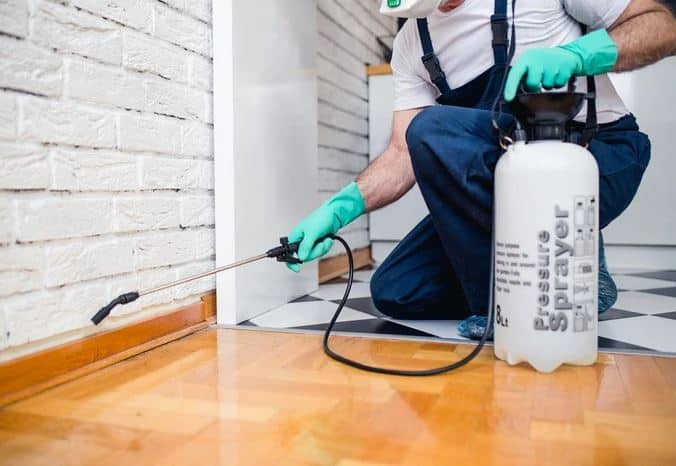
While prevention is ideal, sometimes a pest problem is too big to handle alone. Knowing when to call in the experts is crucial for managing pest issues efficiently.
Signs of Infestation
Please be on the lookout for any signs that indicate that pests have entered your home. Some warning signs include:
- Droppings or urine trails
- Gnaw marks on food containers or surfaces
- Nesting materials, such as shredded paper or fabric
- Visible pests, like cockroaches or rodents
If you notice any of these signs, it may be time to consult a pest control professional.
The Benefits of Professional Pest Control
Professional pest control services can provide several benefits:
- Comprehensive Treatment: Pest control experts can address infestations at different stages of development.
- Safety: Professionals can access more potent pesticides and safe treatment methods for your family and pets.
- Long-Term Solutions: Experts can identify the source of the problem and provide effective preventive measures to keep pests away.
Safe Pest Control Options
If you prefer to handle pest control yourself, consider using safer alternatives to harsh chemicals. Here are some options:
Natural Remedies
Many natural solutions can deter pests while being safe for your family and pets:
- Essential Oils: Peppermint, tea tree, and eucalyptus can repel ants and spiders.
- Diatomaceous Earth: A natural powder that can kill pests by damaging their exoskeletons.
Integrated Pest Management (IPM)
IPM is a holistic approach that focuses on prevention, monitoring, and control strategies:
- Monitoring: Regularly inspect your home for signs of pests.
- Prevention: Utilize cleanliness and sealing methods as previously discussed.
- Control: Opt for eco-friendly pesticides when necessary, using them as a last resort.
Taking the time to understand the hidden dangers pests present can empower you to protect your health and your home more effectively. Investing in prevention, maintaining cleanliness, and seeking professional help can significantly affect your living environment.
Remember, being proactive is the key to keeping pests at bay. That way, you and your family can enjoy a healthy, safe, and comfortable home. By staying informed and vigilant, you can thwart the pests before they have a chance to invade your sanctuary.
==========
Content 10/10/G