
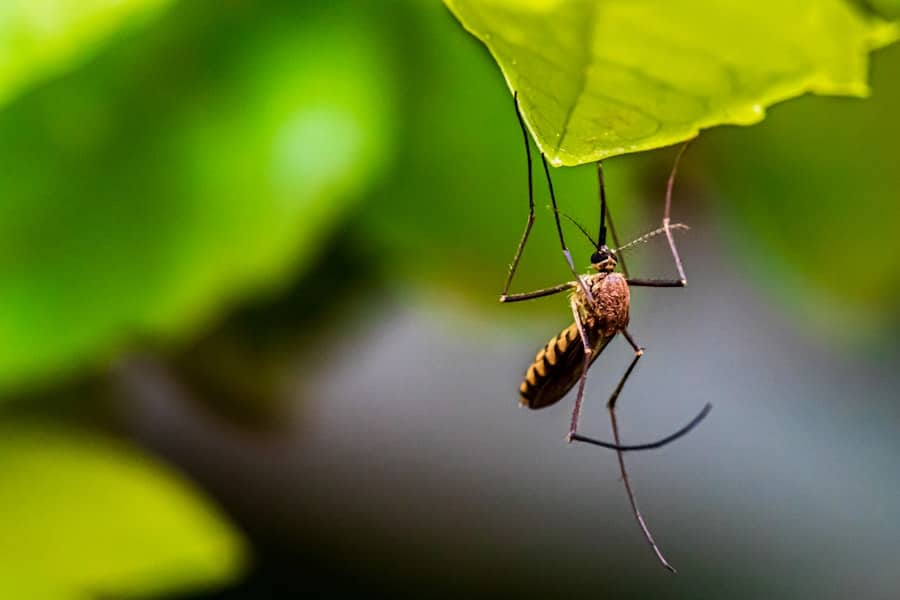
You may not realize it, but mosquitoes are more than just a nuisance; they are vectors for various diseases that can pose serious health risks. These tiny insects thrive in warm, humid environments and are particularly active during the warmer months. Their ability to reproduce rapidly means that a small problem can quickly escalate into a full-blown infestation.
Understanding the biology and behavior of mosquitoes is crucial for effective control. They are attracted to carbon dioxide, body heat, and certain scents, which is why you might find yourself swarmed during outdoor gatherings. Moreover, the impact of mosquitoes extends beyond mere annoyance.
Diseases such as West Nile virus, Zika virus, and dengue fever are transmitted through their bites, making it essential to take preventive measures. You might find yourself wondering why some people seem to attract mosquitoes more than others. Factors such as blood type, skin bacteria, and even the foods you consume can influence your attractiveness to these pests.
By understanding the mosquito problem in depth, you can better equip yourself to combat their presence in your outdoor spaces.
Key Takeaways
- Mosquitoes are a common problem in many yards and can be carriers of diseases such as Zika and West Nile virus.
- Standing water is a prime breeding ground for mosquitoes, so it’s important to regularly check and eliminate any potential breeding sites.
- Installing physical barriers such as screens and netting can help keep mosquitoes out of your yard and home.
- Natural repellents like citronella and essential oils can be effective in keeping mosquitoes at bay.
- Chemical control methods such as insecticides and larvicides can be used as a last resort to control mosquito populations.
- Regular maintenance of your yard, including mowing the lawn and trimming vegetation, can help reduce mosquito habitats.
- If mosquito infestations persist, it may be necessary to seek professional help from pest control experts.
- By taking proactive measures and utilizing various control methods, you can enjoy a mosquito-free backyard and outdoor space.
Identifying Mosquito Breeding Sites
To effectively reduce the mosquito population around your home, you need to identify and eliminate their breeding sites. Mosquitoes lay their eggs in stagnant water, so any standing water in your yard can become a potential nursery for these pests. You should regularly inspect areas such as bird baths, clogged gutters, and even small puddles that may form after rain.
If you have a pond or fountain, consider adding fish that eat mosquito larvae or using a fountain to keep the water moving. In addition to obvious water sources, you should also be vigilant about less apparent breeding sites. Items like old tires, buckets, or even plant pots that collect rainwater can serve as perfect habitats for mosquito eggs.
It’s essential to be thorough in your inspection; even a small amount of standing water can lead to a significant increase in mosquito populations. By proactively identifying and addressing these breeding sites, you can significantly reduce the number of mosquitoes in your vicinity.
Implementing Physical Barriers
One of the most effective ways to keep mosquitoes at bay is by implementing physical barriers around your home and yard. Installing screens on windows and doors is a simple yet effective measure that can prevent these pests from entering your living spaces. Make sure to check for any holes or tears in existing screens and repair them promptly.
You might also consider using screen enclosures for patios or porches, allowing you to enjoy the outdoors without the constant threat of mosquito bites. In addition to screens, you can create physical barriers using landscaping techniques. Planting dense shrubs or installing fences can help deter mosquitoes from entering your yard.
You might also want to consider using citronella candles or torches when hosting outdoor gatherings; the scent can act as a natural deterrent. By combining these physical barriers with other control methods, you can create a more comfortable outdoor environment for yourself and your guests.
Using Natural Repellents
If you prefer a more eco-friendly approach to mosquito control, natural repellents can be an excellent option. Essential oils such as citronella, eucalyptus, and lavender have been shown to repel mosquitoes effectively. You can create your own natural repellent by mixing these oils with a carrier oil and applying it to your skin before heading outdoors.
Not only will you be protecting yourself from bites, but you’ll also enjoy the pleasant aroma of these natural scents. In addition to topical applications, you might consider planting mosquito-repelling plants in your garden. Marigolds, basil, and catnip are known for their ability to deter mosquitoes while adding beauty to your outdoor space.
By incorporating these plants into your landscaping, you can create a more inviting environment that is less appealing to mosquitoes. Using natural repellents not only helps keep these pests at bay but also promotes a healthier ecosystem in your yard.
Utilizing Chemical Control Methods
While natural methods are effective for many people, sometimes chemical control methods may be necessary for more severe infestations. There are various insecticides available that target mosquitoes specifically; however, it’s crucial to use them responsibly. Always read the labels carefully and follow the instructions provided to ensure safety for both humans and pets.
You might consider using foggers or sprays during peak mosquito activity times, such as early morning or late evening. Additionally, you could explore professional pest control services that specialize in mosquito management. These experts often have access to more potent treatments and can provide targeted solutions based on your specific situation.
They may also offer ongoing maintenance plans to keep your yard mosquito-free throughout the season. While chemical methods can be effective, they should ideally be used in conjunction with other control strategies for optimal results.
Maintaining Your Yard

Remove Breeding Grounds
Additionally, consider removing any debris or clutter that could collect water and serve as breeding grounds. Another important aspect of yard maintenance is ensuring proper drainage.
Improve Drainage
If you notice areas where water tends to pool after rain, take steps to improve drainage by grading the land or installing drainage systems.
Create a Mosquito-Free Environment
This proactive approach will help eliminate potential breeding sites before they become a problem. By maintaining your yard diligently, you create an environment that is less conducive to mosquito activity and more enjoyable for outdoor living.
Seeking Professional Help
If you’ve tried various methods without success or if you’re facing a particularly severe mosquito problem, seeking professional help may be your best option. Pest control companies specialize in mosquito management and can provide tailored solutions based on your specific needs. They often conduct thorough inspections of your property to identify breeding sites and recommend appropriate treatments.
When choosing a pest control service, look for companies that use integrated pest management (IPM) techniques. This approach combines various strategies—such as habitat modification, biological control, and chemical treatments—to achieve long-term results while minimizing environmental impact. By enlisting professional help, you can take the guesswork out of mosquito control and enjoy a more comfortable outdoor experience.
Enjoying a Mosquito-Free Backyard
In conclusion, enjoying a mosquito-free backyard is entirely achievable with the right strategies in place. By understanding the mosquito problem and identifying breeding sites, you can take proactive measures to reduce their population around your home. Implementing physical barriers and using natural repellents will further enhance your outdoor experience while maintaining an eco-friendly approach.
If necessary, don’t hesitate to utilize chemical control methods or seek professional assistance for more severe infestations. Regular yard maintenance is key to preventing future problems and creating an inviting space for family gatherings and relaxation. With diligence and the right techniques, you can reclaim your outdoor areas from these pesky invaders and enjoy all that nature has to offer without the constant threat of mosquito bites.
If you’re looking for more tips on pest control, you may want to check out this article on Eco-Friendly Pest Control: Keeping Your Home Green and Bug-Free. This article provides valuable information on how to keep your home free of pests while also being environmentally conscious. It offers tips on using natural remedies and eco-friendly products to control pests in your home. By incorporating these methods into your pest control routine, you can effectively manage pests without harming the environment.
FAQs
What are some effective ways to control mosquitoes in your backyard?
Some effective ways to control mosquitoes in your backyard include removing standing water, using mosquito repellent plants, installing mosquito traps, and using mosquito repellent sprays or candles.
Why is it important to control mosquitoes in your backyard?
Controlling mosquitoes in your backyard is important to prevent the spread of mosquito-borne diseases such as West Nile virus, Zika virus, and dengue fever. Mosquitoes can also cause discomfort and irritation with their bites.
What are some natural mosquito control methods?
Some natural mosquito control methods include using essential oils such as citronella, lavender, and eucalyptus, planting mosquito-repellent plants like marigolds and lavender, and introducing mosquito-eating fish to ponds or water features.
How can I prevent mosquitoes from breeding in my backyard?
To prevent mosquitoes from breeding in your backyard, you should regularly empty and clean out any containers that collect water, such as flower pots, bird baths, and gutters. You should also keep your lawn and shrubs trimmed to reduce hiding spots for mosquitoes.
Are there any DIY mosquito control solutions I can try?
Yes, there are several DIY mosquito control solutions you can try, such as making your own mosquito repellent spray using essential oils, creating homemade mosquito traps using sugar and yeast, and using natural mosquito repellent candles made with citronella oil.