
In the realm of agriculture and commercial properties, small animal pests pose a significant challenge that can disrupt operations and threaten productivity. These pests, which include rodents, insects, and other small mammals, can wreak havoc on crops, stored goods, and even the structural integrity of buildings. As you navigate the complexities of managing these nuisances, it becomes essential to understand their behaviors, habitats, and the potential risks they present.
By recognizing the importance of addressing small animal pests, you can take proactive steps to safeguard your agricultural endeavors and commercial investments. The presence of small animal pests is not merely an inconvenience; it can lead to substantial economic losses and health risks. For instance, rodents are notorious for contaminating food supplies and spreading diseases, while insects can damage crops and reduce yields.
As you delve deeper into the world of pest management, you will discover that effective strategies are crucial for maintaining a healthy environment for both your business and the community at large. Understanding the nature of these pests is the first step toward implementing effective control measures that protect your assets and ensure sustainable practices.
Key Takeaways
- Small animal pests can have a significant impact on agriculture and commercial properties, causing damage to crops, buildings, and infrastructure.
- Common small animal pests include rodents, birds, insects, and wildlife, and their presence can lead to economic losses and environmental damage.
- The economic and environmental consequences of small animal pests can be severe, affecting crop yields, property value, and public health.
- Control methods for small animal pests in agricultural and commercial settings include integrated pest management strategies, biological control methods, and chemical control methods.
- Businesses can best manage small animal pests on agricultural and commercial properties by implementing best practices such as regular monitoring, proper waste management, and maintaining a clean and well-maintained environment.
Common Small Animal Pests and Their Impact on Agriculture and Commercial Properties
Among the most prevalent small animal pests in agricultural settings are rodents such as rats and mice. These creatures are not only adept at infiltrating buildings but also possess a voracious appetite for grains, fruits, and vegetables. Their gnawing habits can lead to significant damage to crops and stored products, resulting in financial losses that can be devastating for farmers and business owners alike.
As you consider the implications of rodent infestations, it becomes clear that their presence can compromise food safety and quality, leading to potential health risks for consumers. In addition to rodents, insects such as aphids, beetles, and caterpillars can also wreak havoc on agricultural operations. These pests often feed on plant sap or foliage, weakening crops and making them more susceptible to disease.
The impact of insect infestations extends beyond immediate crop damage; they can also lead to increased production costs due to the need for additional pest control measures. As you assess the various small animal pests that may threaten your agricultural or commercial property, it is essential to recognize the interconnectedness of these challenges and their potential long-term effects on your bottom line.
Economic and Environmental Consequences of Small Animal Pests

The economic consequences of small animal pests are far-reaching and multifaceted. For instance, crop losses due to pest infestations can lead to reduced yields, which directly impacts profitability. Additionally, the costs associated with pest control measures—whether through chemical treatments or hiring pest management professionals—can add up quickly.
As you evaluate your financial strategy, it is crucial to factor in these potential losses and expenses when planning for the future of your agricultural or commercial enterprise. Beyond economic implications, small animal pests also pose environmental challenges that cannot be overlooked. The use of chemical pesticides, while effective in controlling pest populations, can have detrimental effects on non-target species and ecosystems.
For example, runoff from treated areas can contaminate water sources, harming aquatic life and disrupting local ecosystems. As you consider pest management options, it is vital to weigh the environmental impact of your choices against the immediate benefits of controlling pest populations. Striking a balance between economic viability and environmental stewardship is essential for sustainable agricultural practices.
Control Methods for Small Animal Pests in Agricultural and Commercial Settings
When it comes to controlling small animal pests in agricultural and commercial settings, a variety of methods are available to you. Traditional approaches often include physical barriers such as traps and exclusion techniques designed to prevent pests from entering buildings or fields. For instance, sealing cracks in walls or installing screens on windows can significantly reduce the likelihood of rodent infestations.
As you explore these methods, consider how they can be integrated into your overall pest management strategy to create a comprehensive approach. In addition to physical barriers, cultural practices play a crucial role in pest control. Crop rotation, proper sanitation, and timely harvesting can help minimize pest populations by disrupting their life cycles and reducing available food sources.
By adopting these practices, you not only enhance your pest management efforts but also promote healthier crops and a more sustainable agricultural environment. As you implement these control methods, remember that a combination of strategies is often the most effective way to address small animal pests in your operations.
Integrated Pest Management Strategies for Small Animal Pests
Integrated Pest Management (IPM) is a holistic approach that combines various control methods to manage small animal pests effectively. This strategy emphasizes the importance of monitoring pest populations and understanding their behaviors before implementing control measures. By regularly assessing pest activity on your property, you can make informed decisions about when and how to intervene.
This proactive approach not only minimizes the need for chemical treatments but also promotes long-term sustainability. As you develop an IPM plan for your agricultural or commercial property, consider incorporating a range of tactics tailored to your specific needs. This may include biological control methods, habitat manipulation, and cultural practices alongside traditional pest control measures.
By fostering an environment that encourages natural predators while simultaneously addressing pest populations through targeted interventions, you can create a balanced ecosystem that supports both productivity and sustainability.
Biological Control Methods for Small Animal Pests
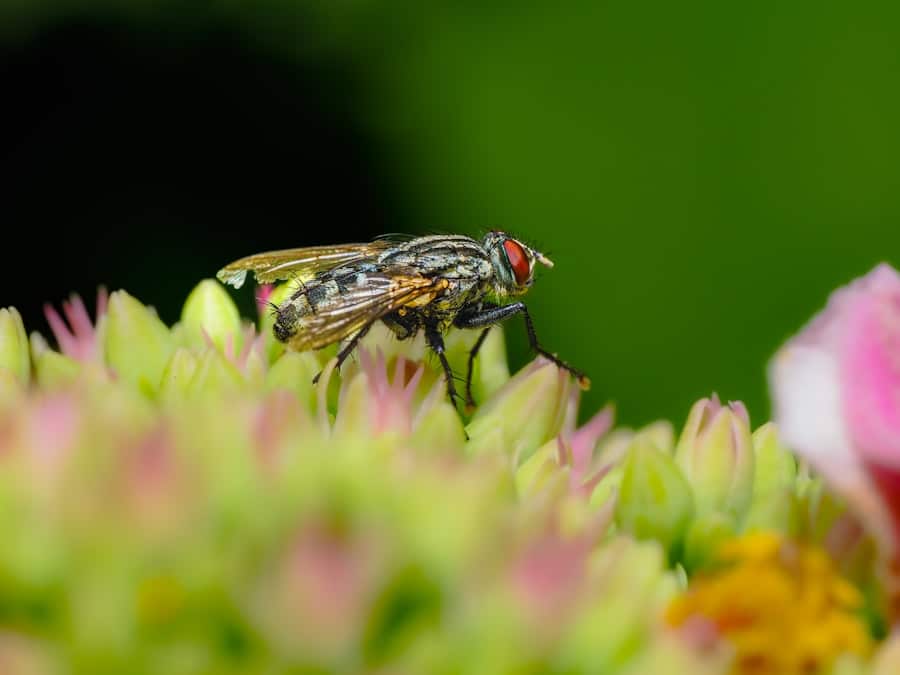
Biological control methods offer an environmentally friendly alternative to traditional pest management techniques. These methods involve using natural predators or parasites to manage pest populations effectively. For example, introducing beneficial insects such as ladybugs or lacewings can help control aphid populations in crops without resorting to chemical pesticides.
As you explore biological control options, consider how these natural solutions can complement your existing pest management strategies. In addition to beneficial insects, other biological control methods may include the use of nematodes or microbial agents that target specific pests while leaving non-target species unharmed. By harnessing the power of nature to manage small animal pests, you not only reduce reliance on chemicals but also promote biodiversity within your agricultural or commercial environment.
As you implement these strategies, keep in mind that patience is often required; biological control methods may take time to establish but can yield significant long-term benefits.
Chemical Control Methods for Small Animal Pests
While biological control methods are increasingly popular, chemical control remains a common approach for managing small animal pests in agriculture and commercial properties. Pesticides can be effective in quickly reducing pest populations; however, they must be used judiciously to minimize potential harm to non-target species and the environment. As you consider chemical options for pest control, it is essential to select products that are specifically designed for the pests you are targeting while adhering to safety guidelines.
When using chemical control methods, timing is critical. Applying pesticides at the right moment—when pests are most vulnerable—can enhance their effectiveness while reducing the overall amount needed. Additionally, integrating chemical treatments with other pest management strategies can create a more comprehensive approach that addresses both immediate concerns and long-term sustainability goals.
As you navigate the complexities of chemical pest control, remember that responsible use is key to protecting both your property and the surrounding ecosystem.
Best Practices for Businesses in Managing Small Animal Pests on Agricultural and Commercial Properties
To effectively manage small animal pests on agricultural and commercial properties, adopting best practices is essential. First and foremost, maintaining cleanliness is crucial; regular cleaning routines can help eliminate food sources that attract pests. Proper waste disposal and storage practices also play a significant role in deterring infestations.
As you establish these routines within your business operations, consider involving employees in training sessions focused on pest awareness and prevention. Another best practice involves regular monitoring of your property for signs of pest activity. Early detection is key to preventing larger infestations from taking hold.
By conducting routine inspections and keeping detailed records of any pest sightings or damage observed, you can stay ahead of potential issues before they escalate into more significant problems. As you implement these best practices in managing small animal pests, remember that a proactive approach will ultimately lead to a healthier environment for both your business and the community it serves. In conclusion, understanding small animal pests in agriculture and commercial properties is vital for effective management strategies that protect both economic interests and environmental health.
By recognizing common pests and their impacts while exploring various control methods—including integrated pest management strategies—you can create a comprehensive approach tailored to your specific needs. Whether through biological or chemical means or by adopting best practices within your operations, taking proactive steps will ensure a sustainable future for your agricultural endeavors or commercial investments.
If you are interested in learning more about long-term strategies for sustainable pest management, check out the article