
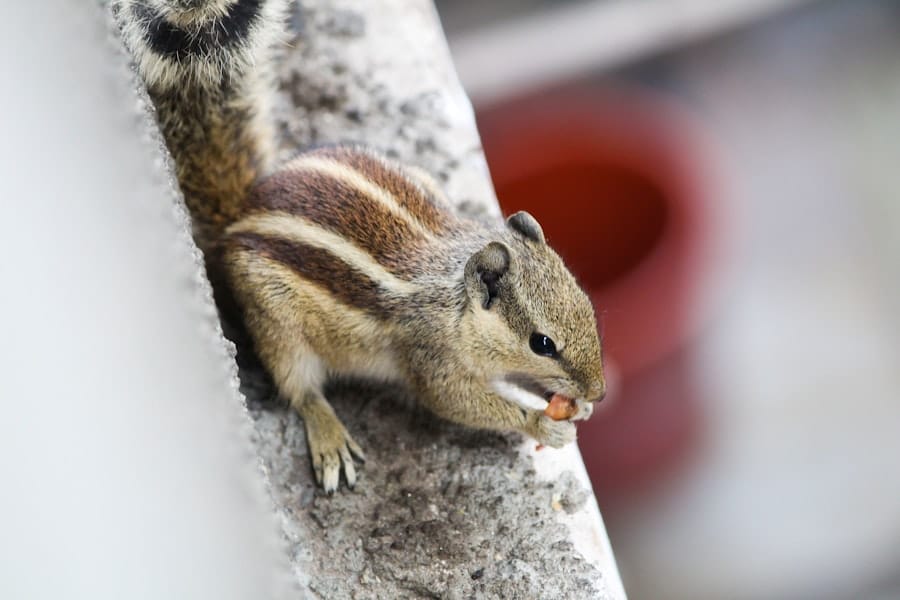
Chipmunks are small, striped rodents belonging to the squirrel family, and they are often found in North America. You may recognize them by their distinctive brown fur and the characteristic stripes that run down their backs. These lively creatures are known for their energetic behavior and playful antics, making them a delightful sight in gardens and parks.
However, beneath their charming exterior lies a complex set of behaviors that can sometimes lead to conflicts with humans. Understanding these behaviors is crucial for managing any potential issues they may cause. Chipmunks are primarily diurnal, meaning they are most active during the day.
You might observe them foraging for food, which typically consists of seeds, nuts, fruits, and even insects. Their natural instinct to hoard food is fascinating; they often gather and store supplies in their burrows to prepare for winter. This behavior can lead to problems if they decide to invade your garden or yard, as they may dig up bulbs or consume your carefully tended plants.
Additionally, chipmunks are known for their vocalizations, which include chirps and trills that serve as communication signals among their peers. By understanding these behaviors, you can better appreciate the role chipmunks play in the ecosystem while also recognizing when their activities may become problematic.
Key Takeaways
- Chipmunks are small, ground-dwelling rodents known for their distinctive stripes and bushy tails. They are active during the day and are excellent climbers and diggers.
- Signs of chipmunk infestations include burrows, holes in the ground, and damage to gardens and landscaping. They are attracted to bird feeders and food sources left out by humans.
- To prevent chipmunks from infesting your property, seal off entry points, keep food sources secure, and maintain a clean and tidy yard. Removing clutter and debris can also discourage chipmunks from nesting.
- Humane removal methods for chipmunks include live traps and relocation to a suitable habitat away from human dwellings. It is important to release them at least five miles away to prevent them from returning.
- Natural repellents for chipmunks include predator urine, such as that of foxes or coyotes, as well as strong-smelling substances like garlic and peppermint. These can be used to deter chipmunks from entering specific areas.
Identifying Chipmunk Infestations
Recognizing a chipmunk infestation can be challenging, especially since these creatures are small and often elusive. However, there are several signs you can look for to determine if chipmunks have taken up residence in your yard or garden. One of the most obvious indicators is the presence of burrows.
Chipmunks dig extensive tunnel systems underground, which can be identified by small holes in the ground, typically about 2-3 inches in diameter. If you notice these holes, it’s a strong sign that chipmunks are nearby. In addition to burrows, you may also find evidence of their feeding habits.
Chipmunks tend to leave behind chewed seeds, nuts, or fruit remnants scattered around your garden. If you see small piles of debris or gnawed plant material, it’s likely that chipmunks have been visiting your property. Furthermore, you might hear their distinctive chirping sounds or catch glimpses of them darting around during the day.
By being vigilant and observant, you can identify a chipmunk infestation early on and take appropriate action before it escalates.
Prevention Tips to Keep Chipmunks Away
Preventing chipmunks from invading your property requires a proactive approach. One effective strategy is to eliminate potential food sources that attract them. You should consider securing your garbage bins with tight-fitting lids and cleaning up any fallen fruits or nuts from trees in your yard.
Additionally, if you have bird feeders, opt for designs that minimize seed spillage on the ground, as this can be a significant draw for chipmunks. Another important aspect of prevention is habitat modification. Chipmunks thrive in areas with ample cover and shelter, so trimming back overgrown vegetation and removing debris can make your yard less appealing to them.
You might also want to consider installing barriers such as fences or wire mesh around gardens or flower beds to deter these little critters from digging in your prized plants. By taking these steps, you can create an environment that is less inviting to chipmunks and reduce the likelihood of an infestation.
Humane Removal Methods for Chipmunks
If you find yourself dealing with a chipmunk infestation, it’s essential to approach removal humanely. One of the most effective methods is using live traps designed specifically for small rodents. These traps allow you to capture chipmunks without causing them harm.
When using live traps, place them near burrow entrances or areas where you’ve noticed chipmunk activity. Bait the traps with appealing food items like sunflower seeds or peanut butter to increase your chances of success. Once you’ve captured a chipmunk, it’s crucial to release it responsibly.
Transport the animal at least several miles away from your property to prevent it from returning. Choose a suitable location that offers natural shelter and food sources, such as a wooded area or park. Remember to check local regulations regarding wildlife relocation, as some areas have specific guidelines for handling wild animals.
By employing humane removal methods, you can address your chipmunk problem while respecting the well-being of these creatures.
Natural Repellents for Chipmunks
In addition to physical barriers and humane traps, you might consider using natural repellents to deter chipmunks from your property. Certain scents are known to be unpleasant for these rodents and can help keep them at bay. For instance, you could use cayenne pepper or garlic powder sprinkled around areas where chipmunks frequent.
The strong odor can act as a deterrent and encourage them to seek food elsewhere. Another option is to plant herbs that chipmunks tend to avoid. Strong-smelling plants like mint, lavender, and rosemary can create an aromatic barrier that makes your garden less appealing to these critters.
Additionally, you might explore commercial natural repellents made from essential oils that are specifically formulated to repel rodents. By incorporating these natural solutions into your pest management strategy, you can create an environment that discourages chipmunks without resorting to harmful chemicals.
Professional Extermination Options
Here is the rewritten text with 3-4 When DIY Methods Fail
Seeking professional extermination services may be necessary if your efforts to manage a chipmunk infestation prove unsuccessful or if the situation escalates beyond your control. Pest control experts have the knowledge and tools required to handle rodent infestations effectively and safely. They can assess the extent of the problem and develop a tailored plan that addresses your specific needs.
Choosing the Right Pest Control Service
When choosing a pest control service, look for companies that prioritize humane methods and environmentally friendly practices. Many professionals offer integrated pest management (IPM) approaches that focus on prevention and long-term solutions rather than relying solely on chemical treatments.
Effective and Eco-Friendly Solutions
By working with experts who understand the behavior of chipmunks and other rodents, you can ensure a thorough resolution to your infestation while minimizing harm to the surrounding ecosystem.
Maintaining a Chipmunk-Free Property
Once you’ve successfully dealt with a chipmunk infestation, maintaining a chipmunk-free property requires ongoing vigilance and preventive measures. Regularly inspect your yard for signs of new burrowing activity or feeding damage. If you notice any signs of returning chipmunks, take immediate action by reinforcing barriers or employing repellents before the problem escalates again.
Additionally, consider implementing seasonal maintenance routines that focus on keeping your property less inviting to wildlife. This could include clearing away debris, trimming back overgrown plants, and ensuring that food sources are secured throughout the year. By staying proactive and attentive to your surroundings, you can significantly reduce the chances of another infestation occurring in the future.
Seeking Help from Pest Control Experts
If you find yourself overwhelmed by a persistent chipmunk problem or if you’re unsure how to proceed with prevention and removal strategies, don’t hesitate to seek help from pest control experts. These professionals possess specialized knowledge about rodent behavior and effective management techniques tailored to your specific situation. They can provide valuable insights into identifying potential entry points and vulnerabilities in your property that may attract chipmunks.
Moreover, pest control experts can offer ongoing support and advice on maintaining a chipmunk-free environment long after the initial problem has been resolved. By collaborating with professionals who understand the intricacies of wildlife management, you can ensure that your home remains a sanctuary free from unwanted visitors while also promoting a balanced ecosystem in your area.
If you’re struggling with chipmunks invading your property, you may also be interested in learning about the secret life of termites. This article explores the underground world of these wood-eating pests and offers insights into how to effectively deal with them. Additionally, if you’re looking for the best pest control service in Henderson, Nevada, you can check out this resource for tips and recommendations. And if you’re curious about common pest control myths and what really works to keep pests at bay, this article debunks some misconceptions and provides valuable information.
FAQs
What are chipmunks and why are they considered pests?
Chipmunks are small, striped rodents that are often considered pests because they can cause damage to gardens, lawns, and structures. They are known for digging up bulbs, eating plants, and creating burrows that can undermine foundations.
What are some methods for getting rid of chipmunks?
There are several methods for getting rid of chipmunks, including trapping, using repellents, and modifying the environment to make it less attractive to them. Trapping can be done with live traps or lethal traps, while repellents can include natural substances like garlic or commercial products.
How can I prevent chipmunks from coming back?
To prevent chipmunks from returning, it’s important to make the environment less attractive to them. This can include removing potential food sources, sealing off entry points to buildings, and keeping the yard free of clutter and debris.
Are there any natural ways to deter chipmunks?
Yes, there are several natural methods for deterring chipmunks, including planting certain types of plants that they don’t like, using predator urine or hair around the perimeter of the yard, and keeping the area clean and free of food sources.
When should I consider hiring a professional to deal with chipmunks?
If you have a large infestation of chipmunks or if your efforts to control them on your own have been unsuccessful, it may be time to consider hiring a professional pest control service. They can assess the situation and provide effective solutions for getting rid of chipmunks permanently.