
The Secret Life Of Termites: Exploring The Underground World Of Wood-Eating Pests
Have you ever wondered what happens in the world of termites? These tiny creatures might not seem significant at first glance, but their underground lives are fascinating. Termites play a critical role in the ecosystem, and understanding them can help you appreciate their contribution as well as the challenges they pose.
The Basics of Termites
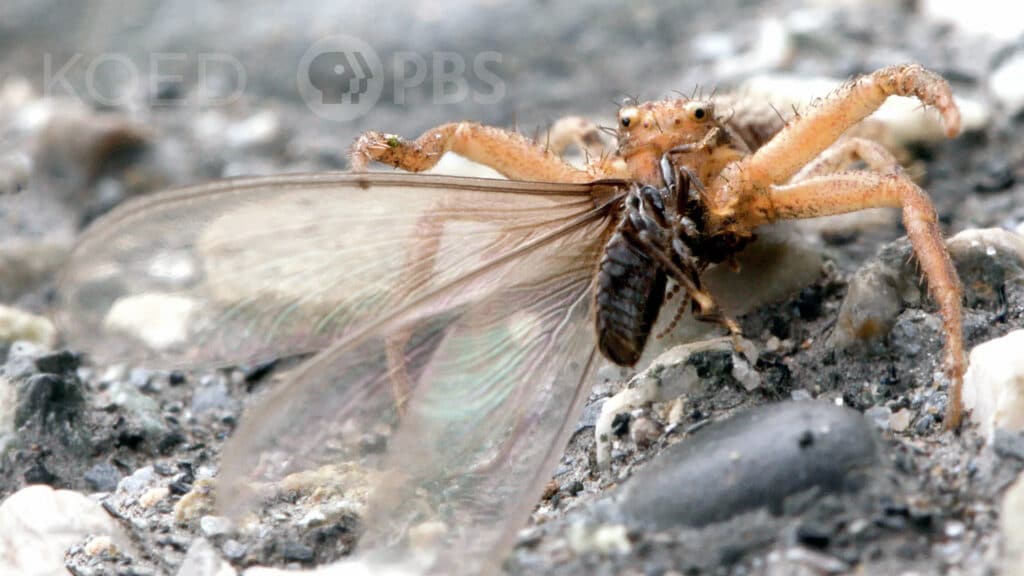
Termites are social insects in the order Blatodea, which also includes cockroaches. They are often mistaken for ants, but a few notable differences separate them. Understanding these little quirks can make all the difference when identifying termites versus other insects.
Types of Termites
There are three main types of termites based on their nesting behavior and where they typically reside:
- Subterranean Termites
These termites live underground and are known for creating extensive tunnel systems. They require moisture from the soil, making them especially abundant in humid areas. - Drywood Termites
Unlike subterranean termites, drywood termites reside within the wood they consume. You’ll often find them in furniture, structural wood, or hardwood floors. - Dampwood Termites
Dampwood termites prefer decaying wood structurally damaged or in contact with moisture. They are often found in various environments, but they do not pose as significant a threat to homes as other types.
Recognizing these types can help you identify what you’re dealing with if you ever have an infestation.
The Social Structure of Termites
Termites operate in colonies ranging from a few hundred to several million individuals. The social structure of these colonies is complex and essential to their survival.
Castes Within the Colony
Within a termite colony, there are designated roles or castes, each serving a specific function:
- Workers
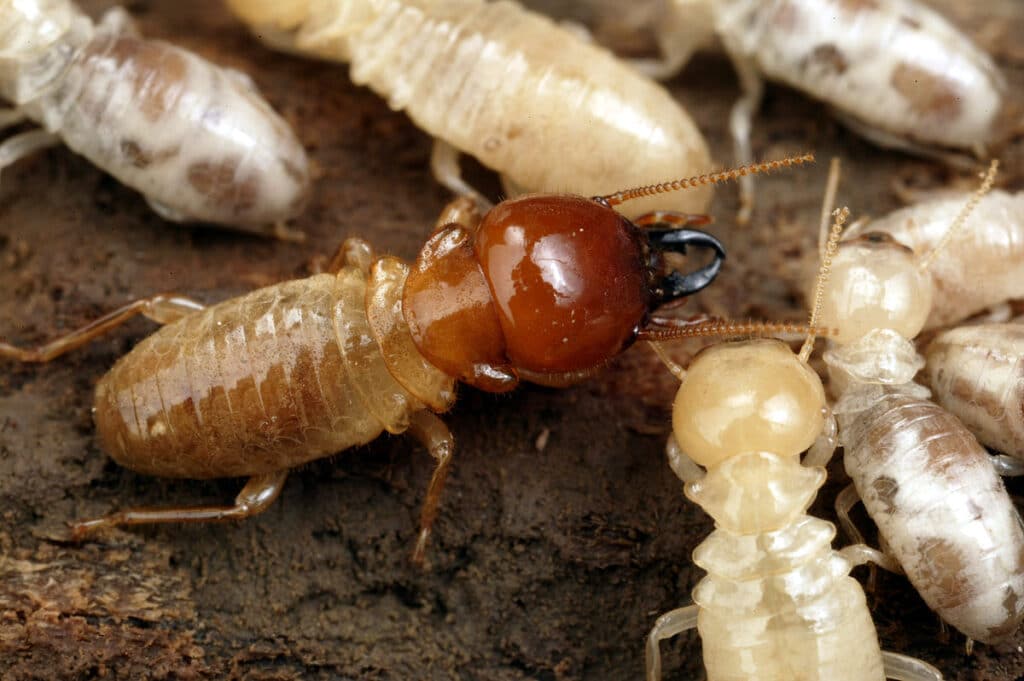
The most numerous caste workers are responsible for foraging food, caring for the queen and her eggs, and maintaining the nest. They are wingless and blind, but their strength is unmatched in the colony. - Soldiers
Soldiers defend the colony from predators and other threats. They usually have large mandibles to protect their kin but are not involved in foraging food or reproduction. - Reproductives
This caste includes both the queen and king and winged alates (future kings and queens). The queen can produce thousands of eggs daily, ensuring the colony’s survival and growth.
Understanding these castes helps you grasp the cooperation that fuels their community. Each caste plays a crucial role in the colony’s success, allowing for efficient functioning and sustainability.
The Life Cycle of a Termite
Termites undergo a simple life cycle that consists of three main stages: egg, nymph, and adult. Each stage is vital for the colony’s overall health and sustainability.
Egg Stage
The life of a termite begins with an egg laid by the queen. A female can lay thousands of eggs over her lifetime, providing the colony with a continuous influx of new individuals.
Nymph Stage
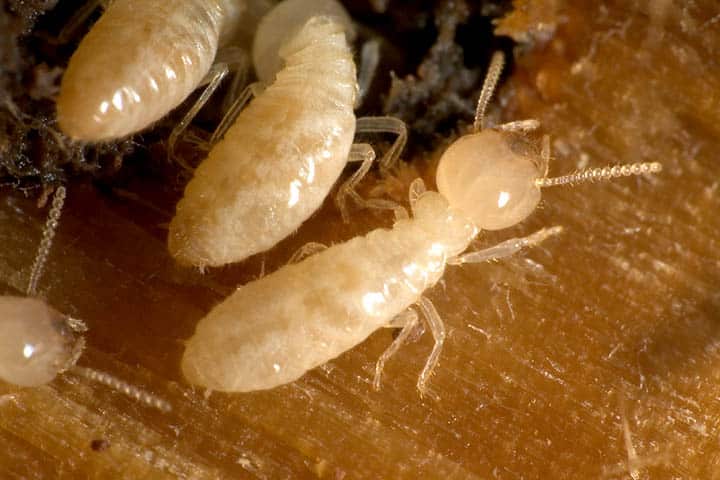
Once the eggs hatch, they transition into nymphs. They resemble small adults during this stage but will undergo several molts before reaching maturity. Thanks to their ability to be transformed into different castes, nymphs may also take on the role of workers or soldiers based on the colony’s needs.
Adult Stage
After several molt cycles, nymphs become adults. Some specialize as workers, others as soldiers, and a select few become reproductives. This adaptability allows the colony to survive in the varying conditions of its environment.
The Role of Termites in the Ecosystem
Termites may be infamous for their wood-eating habits, but they also play an essential role in the environment. Without their activities, many ecosystems would function differently.
Decomposers of the Forest
Termites assist in the decomposition process, breaking down rigid cellulose material found in wood and plant matter. This helps recycle nutrients back into the soil, promoting soil health.
Soil Aerators
As subterranean termites tunnel through the soil, they help aerate it. This aeration is vital for fostering healthy plant growth as air and moisture can move more freely through the soil.
Food Source for Other Animals
Termites feed various animals, such as birds, mammals, and reptiles. Their presence in the ecosystem supports a chain of life, maintaining balance among different species.
The Dietary Preferences of Termites
Most people know that termites eat wood, but their diet is somewhat broader than that. They are not just indiscriminate wood eaters; their selection is dynamic and connected to survival.
Primary Diet: Wood
Wood is the mainstay of a termite’s diet. Termites primarily focus on cellulose, a complex carbohydrate found in plant cell walls. However, not all types of wood are created equal, and termites have preferences.
Favorite Wood Types
Here’s a brief overview of the types of wood that termites prefer:
| Wood Type | Reason for Preference |
|---|---|
| Softwoods (Pine, Cedar) | High cellulose content; easy to digest |
| Decayed Wood | It is more straightforward to break down; it provides moisture |
| Hardwoods (Oak, Maple) | Sometimes eaten, but less preferred due to density |
This table shows how certain wood types impact termite feeding habits, showcasing their selective nature.
Other Dietary Choices
Apart from wood, termites can also feed on:
- Plant Matter: Other cellulose sources like leaves and grass.
- Organic Materials: Dead insects and decaying organic materials also contribute to their nourishment.
This diverse diet allows them to thrive in various environments and conditions.
How Termites Communicate
Termites have developed sophisticated communication methods primarily based on pheromones. Understanding these interactions can offer insights into their social behavior and how they maintain colony structure.
Pheromones
Pheromones are chemical signals that termites use for various purposes, including:
- Alarm Signals: Alerting others to danger.
- Trail Marking: Leading other termites to food sources.
- Nesting and Mating Signals: Facilitating reproduction and establishing a new colony.
Vibrational Signals
In addition to pheromones, termites also communicate through vibrations. They tap their bodies against wood to send messages to nearby colony members. This form of communication can be critical for survival, especially when detecting threats.
The Impact of Termites on Human Structures
While termites play a crucial role in nature, it is also essential to acknowledge their destructiveness in human environments. Understanding their behavior allows for better infestation management.
The Dangers of Infestation
Termite infestations can significantly damage wooden structures, costing homeowners thousands in repairs. Subterranean termites, in particular, can compromise foundations, decks, and other wooden frameworks if they are not addressed.
Signs of Infestation
It’s important to spot signs of an infestation early. Here are a few indicators that termites might be nearby:
- Mud Tubes: These tunnels, made from soil and feces, help termites travel safely between their food source and their colony.
- Wood Damage: Hollow or damaged wood can indicate termite activity.
- Swarmers: Winged reproductive termites usually indicate that an infestation is present. They leave the colony to find mates and establish new colonies.
Preventative Measures
To safeguard your home from termite infestations, consider these practices:
- Maintain Moisture Levels: Termites are attracted to moisture. Ensure that gutters, downspouts, and drainage systems function correctly to minimize moisture accumulation.
- Store Firewood Away from Home: Keep firewood stored away from your home to limit easy access to termites.
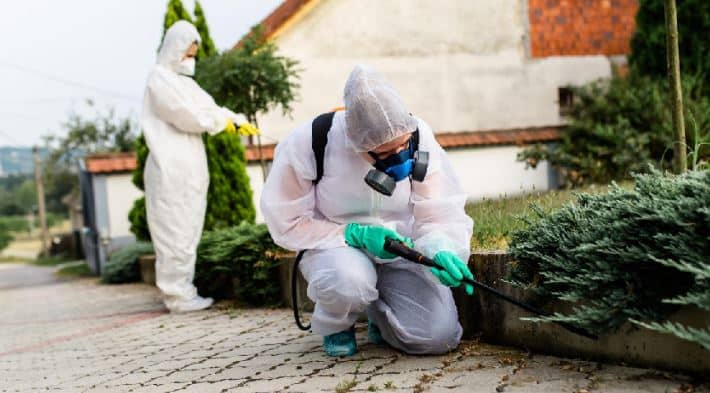
- Regular Inspections: Hire a pest control professional for regular inspections, especially if you live in an area prone to termite activity.
I think this proactive approach can save you from potential future headaches.
Termite Control Methods
If you encounter a termite infestation, don’t panic! Understanding the various termite control methods will allow you to select the best fit for your needs.
Chemical Treatments
One of the most common termite control methods is using chemical treatments called termiticides.
Types of Termiticides
- Liquid Treatments: These are applied to your property’s soil. They create a chemical barrier to repel or kill termites attempting to enter.
- Baiting Systems: These systems place bait stations in the ground, attracting termites, which carry the bait back to the colony.
Non-Chemical Treatments
If you prefer a more eco-friendly approach, various non-chemical strategies may help.
Methods Include:
- Nematodes: Beneficial microscopic worms can be introduced into the soil to predate on termites.
- Heat Treatment: Elevated temperatures can kill termites within wooden structures without using pesticides.
- Boric Acid: A natural insecticide, boric acid can be used to treat infused wood or applied as a powder in infested areas.
Always remember to consult professionals if the infestation is severe. They have the expertise to effectively and safely resolve such matters.
The Future of Termite Research
As you learn about termites, it becomes evident that they are more than mere pests; they belong to an intricate ecosystem that humanity is only beginning to understand. Research on these insects is ongoing and aims to uncover new insights about their behaviors and environmental impacts.
Applications in Soil Science
Researchers are exploring ways termites can improve soil quality and health. Their role in breaking down rigid plant materials can help increase nutrient availability for other organisms while enhancing soil structure.
Biodegradable Building Materials
Termites’ destructive wood-eating habits have led to innovative thinking about ways to deter them. Studies are being conducted to develop termite-resistant materials that may reduce wood damage while being environmentally friendly.
So the next time you spot a termite or encounter signs of an infestation, remember the complex life they lead and the ecosystem balances they help maintain. Whether they’re busy breaking down wood or aerating the soil, termites always work behind the scenes, shaping the world around us.
==========
Content 10/10/G