
Pest Control Myths Debunked: What Works And What Doesn’t
Have you ever wondered why specific pest control methods seem to work for some people but not for others? You’re not alone! Many individuals are searching for the most effective ways to eliminate pests, only to be met with conflicting information. Let’s clarify some of the confusion surrounding pest control by debunking common myths and discussing what works.
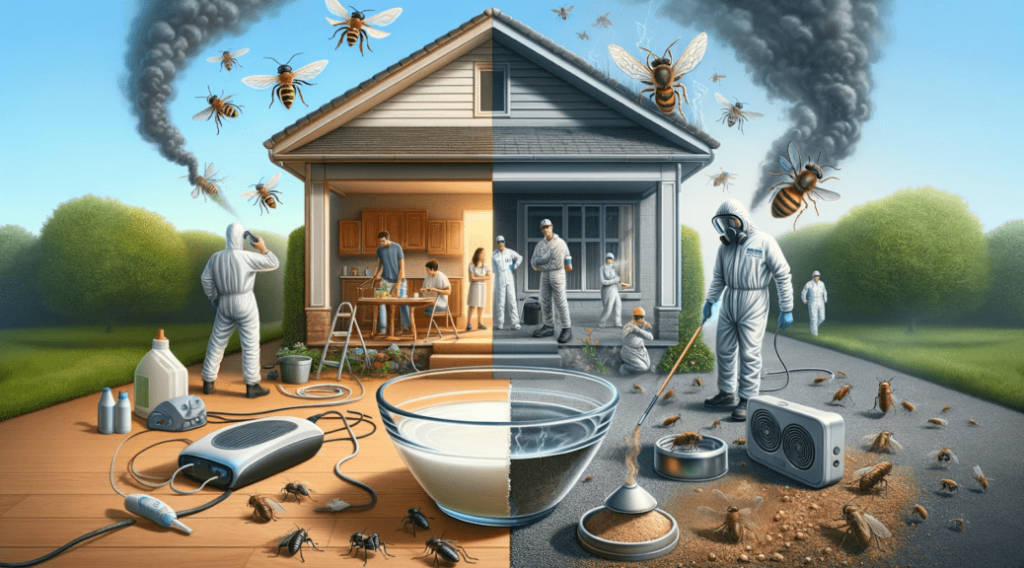
Understanding Pest Control Myths
Before jumping into the specifics, it’s crucial to understand that pest control is multifaceted. When managing unwanted critters, myths often stem from outdated practices or misunderstandings. This can lead to ineffective treatments, wasted time, and frustration.
Myth #1: All Bugs Are Harmful
One of the most common myths is that all bugs are harmful and must be eradicated immediately. While it’s true that some insects can cause damage or spread disease, many bugs play vital roles in our ecosystem. Bugs like ladybugs and spiders can help control other pest populations naturally.
Myth #2: If You See One, There Are Many More
Seeing a single pest in your home often leads to the assumption that an infestation lurks nearby. While this can be true for certain pests, it’s not always true. Many pests are solitary and may have wandered in by accident. If you spot one pest, it’s worth investigating, but don’t panic!
Effective Pest Control Techniques
Now that we’ve debunked some myths, let’s move on to what works for pest control. There are various methods you can employ to keep your spaces pest-free.
Integrated Pest Management (IPM)
Integrated Pest Management is a holistic approach combining various strategies to manage pest populations effectively. This could include:
- Cultural Controls: Adjusting your environment to make it less hospitable to pests (e.g., keeping your kitchen clean).
- Biological Controls: Introducing natural predators to keep pest populations in check (e.g., ladybugs for aphids).
- Mechanical Controls: Using physical methods like traps or barriers to prevent pest entry (e.g., sealing cracks and crevices).
Chemical Control Methods
Chemical pest control is often mentioned when discussing pest management. However, it’s essential to choose wisely and use products that are both effective and safe for the environment.
Types of Chemical Controls:
| Type | Purpose | Considerations |
|---|---|---|
| Insecticides | Kill insects quickly | Use with caution, choose targeted types |
| Herbicides | Manage unwanted plants | Consider environmental impact |
| Rodenticides | Control rodent populations | Ensure safety around pets and children |
Always follow the manufacturer’s instructions and consult a pest control professional for specific advice.
DIY Solutions
You should tackle minor pest issues on your own. Here are some tried-and-true DIY solutions that may help.
Natural Repellents:
- Essential Oils: Certain oils, such as peppermint and clove, are effective at repelling a variety of insects. You can dilute them with water and spray them around your home.
- Vinegar Solutions: A mix of vinegar and water can serve as a safe cleaner that deters many pests.
Traps and Barriers:
- Sticky traps: Set these up where you’ve noticed pests. They can catch insects that wander into them and help you monitor infestations.
- Caulk and Sealants: Use these to seal potential entry points like gaps in windows and doors.

Common Pest Control Myths: What Doesn’t Work
As we’ve mentioned, several myths surround pest control practices. Let’s investigate some common misconceptions and clarify the facts.
Myth #3: Vinegar Kills All Pests
While vinegar is a powerful cleaning agent that can deter certain pests, it does not kill all bugs. It can be effective against ants and some types of flies, but more resilient pests like cockroaches and bedbugs require different solutions. Don’t rely solely on vinegar when waging war against persistent invaders.
Myth #4: Natural Means are Always Safer
Many believe natural pest control methods are safe, but that’s not always true. While organic pesticides are less environmentally harmful, they can still pose risks to pets or humans if misused. Always read labels and use products as directed.
Myth #5: You Can Get Rid of Pests Once and For All
If only it were that easy! Pest control is more about management than complete eradication. Many pests are part of the local ecosystem, and new ones will likely invade your space over time. The goal should be minimizing their presence and preventing them from becoming a problem.
When to Call the Professionals
There are situations where professional pest control services are your best bet. Here are some signs it might be time to call in experts:
Persistent Infestations
Professional help can often provide quicker and more effective solutions if you have tried multiple DIY methods but have yet to succeed. Experts have access to advanced techniques and products that aren’t available to the general public.
Major Types of Pests
Certain pests, such as termites, bedbugs, or fire ants, can cause significant damage or health issues. If you suspect an infestation of these types of pests, don’t hesitate to contact a pest control specialist.
Safety Concerns
If you or anyone in your home has known allergies to pest control chemicals, getting a professional to handle the situation may reduce health risks.
Pest control is crucial in maintaining a healthy environment, but misinformation can complicate matters. By identifying and debunking common myths, you can better understand how to manage pests effectively. Whether you turn to DIY solutions or professional services, keeping your home pest-free is achievable with the proper knowledge and tools.
So the next time you find a bug in your home, remember: staying informed is half the battle. You’ve got this! Whether you decide to take matters into your own hands or call in the pros, now you know what works and what doesn’t regarding pest control.
==========
Content 10/10/G