
When it comes to pest control, it’s essential to recognize the potential risks involved, especially if you have children and pets in your home. Many pest control methods utilize chemicals that can be harmful if ingested or inhaled. You may not realize that even seemingly harmless substances can pose a risk to your loved ones.
Understanding these risks is the first step in ensuring a safe environment for everyone in your household. It’s crucial to read labels and understand the ingredients in the products being used, as some may have long-lasting effects that could impact your family’s health. Moreover, the risks are not limited to just the immediate effects of exposure.
Long-term exposure to certain chemicals can lead to chronic health issues, particularly in young children and pets whose bodies are still developing. You should be aware of symptoms that may arise from exposure, such as respiratory issues, skin irritations, or gastrointestinal problems. By being informed about these potential dangers, you can take proactive measures to minimize risks and ensure a safer pest control experience.
Key Takeaways
- Understand the potential risks of pest control treatments to children and pets
- Communicate clearly with the pest control company about your concerns for children and pets
- Secure children and pets in a safe area away from the treated space
- Remove toys, food, and water bowls from the treated area
- Cover or remove fish tanks and bird cages before pest control treatment
Communicating with the pest control company
Effective communication with your pest control company is vital for ensuring the safety of your family during treatment. Before any work begins, you should discuss your concerns regarding children and pets with the technician. This conversation will help you understand the specific methods and products they plan to use, allowing you to make informed decisions about the treatment process.
You might want to ask about the safety of the chemicals involved and whether there are alternative methods that are less harmful. Additionally, it’s important to inquire about the duration of the treatment and any necessary precautions you should take afterward. The pest control company should provide you with clear instructions on how long to keep children and pets away from treated areas.
By maintaining an open line of communication, you can ensure that everyone in your household remains safe while effectively addressing your pest problem.
Securing children and pets in a safe area
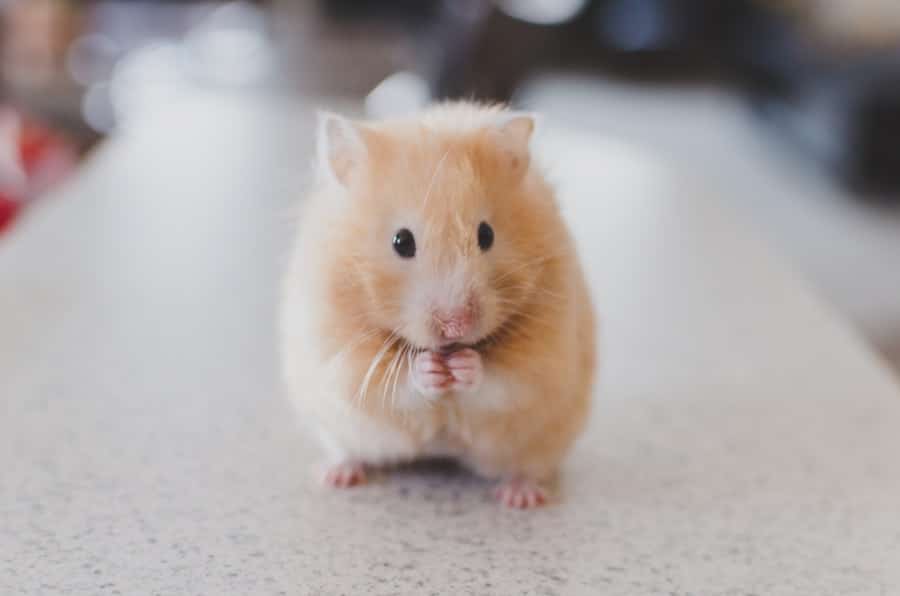
Before any pest control treatment begins, it’s crucial to secure children and pets in a safe area away from the treatment zone. This means designating a specific room or area in your home where they can stay during the process. Ideally, this space should be well-ventilated and free from any potential exposure to chemicals.
You might consider setting up a comfortable environment with their favorite toys or activities to keep them occupied while the treatment is underway. In addition to securing them in a safe area, you should also inform them about what is happening. Depending on their age, you can explain that professionals are coming to take care of pests and that they need to stay away for a little while.
This not only helps them understand the situation but also reduces anxiety about unfamiliar noises or activities happening in the house.
Removing toys, food, and water bowls
To further ensure safety during pest control treatments, it’s essential to remove any toys, food, and water bowls from the areas being treated. Pests often invade spaces where food is present, so it’s likely that these items are located in or near infested areas. By removing them, you minimize the risk of contamination from chemicals used during treatment.
You should gather all toys and food items and store them in a safe location until it’s confirmed that the area is safe for re-entry. Additionally, consider cleaning surfaces where food is typically prepared or consumed. This not only helps eliminate any potential residues but also creates a clean slate for when you return items after treatment.
Taking these precautions demonstrates your commitment to maintaining a safe environment for your children and pets.
Covering or removing fish tanks and bird cages
If you have fish tanks or bird cages in your home, it’s crucial to take special precautions before pest control treatments begin. Chemicals used in pest control can be harmful to aquatic life and birds, so covering or relocating these habitats is essential for their safety. For fish tanks, consider using a tight-fitting lid or covering it with plastic wrap to prevent any chemical exposure during treatment.
You might also want to temporarily relocate the tank to another room if possible. For bird cages, covering them with a breathable cloth can help shield your feathered friends from harmful substances while still allowing for adequate airflow. If feasible, moving the cage to a different area of your home during treatment is an even safer option.
By taking these steps, you ensure that all members of your household—human and animal alike—remain safe during pest control procedures.
Using non-toxic or pet-safe pest control options
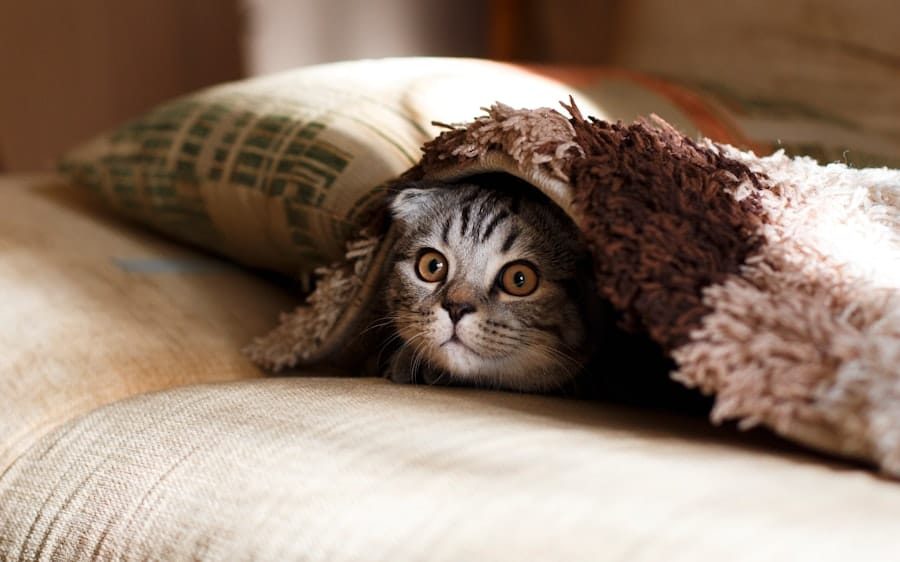
In today’s market, there are numerous non-toxic or pet-safe pest control options available that can effectively address infestations without posing risks to your family. When discussing treatment options with your pest control company, be sure to ask about these alternatives. Many companies now offer eco-friendly solutions that utilize natural ingredients rather than harsh chemicals, making them safer for homes with children and pets.
You might also consider researching DIY pest control methods that use common household items like vinegar or essential oils. While these methods may not be as potent as professional treatments, they can be effective for minor infestations and provide peace of mind regarding safety. By opting for non-toxic solutions whenever possible, you contribute to a healthier living environment for everyone in your home.
Ventilating the treated area before allowing children and pets back in
Once the pest control treatment is complete, it’s essential to ventilate the treated area thoroughly before allowing children and pets back inside. Open windows and doors to promote airflow and help dissipate any lingering chemical odors. Depending on the type of treatment used, this process may take anywhere from a few hours to a full day.
You should follow any specific guidelines provided by your pest control company regarding ventilation times. While waiting for the area to air out, take this opportunity to check for any visible signs of pests or damage that may need further attention. Once you feel confident that the area is adequately ventilated and safe, you can gradually reintroduce children and pets back into their environment.
This step is crucial for ensuring their safety and comfort after treatment.
Following up with thorough cleaning and sanitizing
After pest control treatments have been completed and everyone has returned safely to their spaces, it’s time for a thorough cleaning and sanitizing of the affected areas. This step not only helps eliminate any residual chemicals but also ensures that your home remains a healthy environment for your family. Start by wiping down surfaces with a damp cloth or appropriate cleaning solution, paying special attention to areas where food is prepared or consumed.
In addition to surface cleaning, consider washing any linens or fabrics that may have come into contact with treated areas. Vacuuming carpets and upholstery can also help remove any potential residues left behind after treatment. By taking these steps, you reinforce your commitment to maintaining a clean and safe home for your loved ones.
Monitoring children and pets for any signs of illness or discomfort
After pest control treatments are completed and cleaning has been done, it’s important to monitor children and pets closely for any signs of illness or discomfort in the days following treatment. Keep an eye out for unusual behavior such as lethargy, vomiting, or changes in appetite. If you notice anything concerning, don’t hesitate to consult with a healthcare professional or veterinarian for guidance.
Being vigilant during this period allows you to address any potential issues promptly. It’s always better to err on the side of caution when it comes to health matters involving your loved ones. By staying attentive and proactive, you can ensure that everyone remains healthy and happy after pest control treatments.
Consulting with a veterinarian if necessary
If you observe any concerning symptoms in your pets following pest control treatments, consulting with a veterinarian is crucial. They can provide expert advice on how to handle any potential reactions to chemicals used during treatment. Your veterinarian may recommend specific tests or treatments based on your pet’s symptoms and overall health status.
Additionally, if you have questions about how certain pest control methods may affect your pet’s health in general, don’t hesitate to reach out for professional guidance. Your veterinarian can help you navigate these concerns and provide reassurance about keeping your furry friends safe during pest control processes.
Educating children about the importance of staying away from treated areas
Finally, educating your children about the importance of staying away from treated areas is essential for their safety moving forward. Use age-appropriate language to explain why certain areas need to be avoided after pest control treatments are completed. Emphasize that these precautions are in place to keep them safe from harmful substances.
Encourage open dialogue by inviting questions from your children about pest control processes and safety measures taken in your home. By fostering an understanding of these topics, you empower them to make informed decisions about their safety in the future while also instilling a sense of responsibility regarding their environment. In conclusion, navigating pest control treatments while ensuring the safety of children and pets requires careful planning and communication.
By understanding potential risks, securing safe areas, utilizing non-toxic options, and following up with thorough cleaning, you create a safer environment for everyone involved. Your proactive approach will not only address pest issues effectively but also promote peace of mind within your household.
When considering what steps can be taken to ensure the safety of children and pets during pest control treatments, it is important to choose a reputable pest control service like the one in Bakersfield, California mentioned in this article. This article highlights the importance of hiring professionals who prioritize safety measures when treating homes for pests. Additionally, reading real stories of homeowners facing unexpected challenges during pest control treatments, like the ones shared in this article, can help individuals better prepare for potential risks and take necessary precautions to protect their loved ones.
FAQs
What are some common pest control treatments that may pose a risk to children and pets?
Some common pest control treatments that may pose a risk to children and pets include insecticide sprays, baits, and foggers, as well as rodenticides and traps.
What steps can be taken to ensure the safety of children and pets during pest control treatments?
To ensure the safety of children and pets during pest control treatments, it is important to follow the instructions provided by the pest control professional. This may include temporarily relocating children and pets from the treated area, removing food and water bowls, and covering or removing toys and other items that may come into contact with the treatment.
Are there any natural or non-toxic pest control options that are safe for children and pets?
Yes, there are natural and non-toxic pest control options that are safe for children and pets. These may include methods such as sealing cracks and crevices, using traps and barriers, and employing natural repellents such as essential oils.
What should be done if a child or pet comes into contact with pest control treatment?
If a child or pet comes into contact with a pest control treatment, it is important to seek medical attention immediately. It is also important to contact the poison control center or a veterinarian for guidance on how to proceed.
How can parents and pet owners communicate with pest control professionals about their concerns for the safety of children and pets?
Parents and pet owners can communicate their concerns for the safety of children and pets with pest control professionals by asking questions about the treatment methods being used, expressing any specific concerns they may have, and requesting information about the potential risks and safety precautions.