
When you think of pest control, your mind might immediately jump to chemical sprays and traps. However, nature has equipped various animals with the innate ability to manage pest populations effectively. Pest control animals are a natural solution to the challenges posed by unwanted insects, rodents, and other nuisances that invade our homes and gardens.
By understanding the role these creatures play in maintaining ecological balance, you can appreciate the benefits of integrating them into your pest management strategies. Utilizing animals for pest control not only promotes a healthier environment but also reduces reliance on synthetic chemicals that can harm beneficial species and disrupt ecosystems. From birds that feast on insects to mammals that hunt rodents, these natural predators can help keep pest populations in check.
As you explore the various types of pest control animals, you will discover how they contribute to sustainable practices and enhance biodiversity in your surroundings.
Key Takeaways
- Pest control animals are natural predators that can help manage pest populations in a variety of environments.
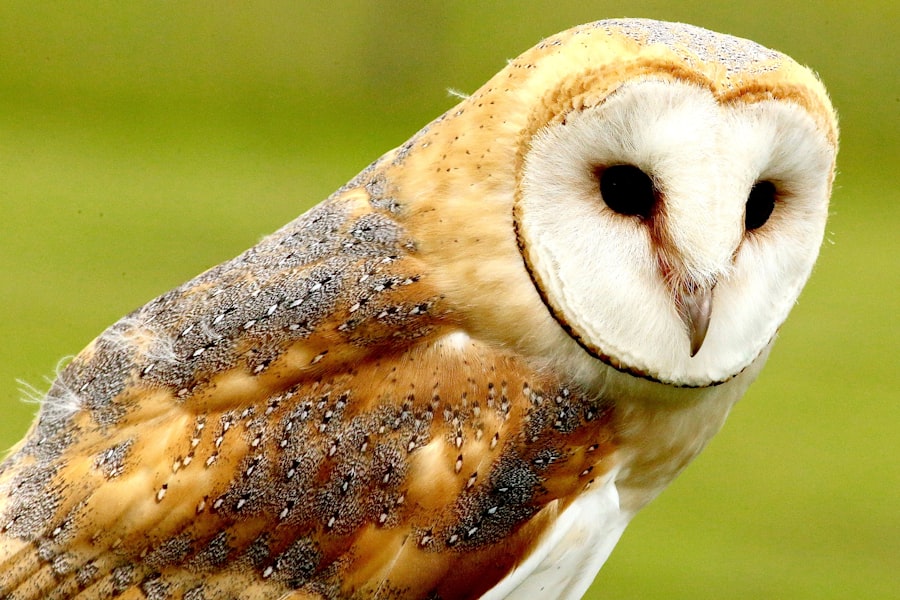
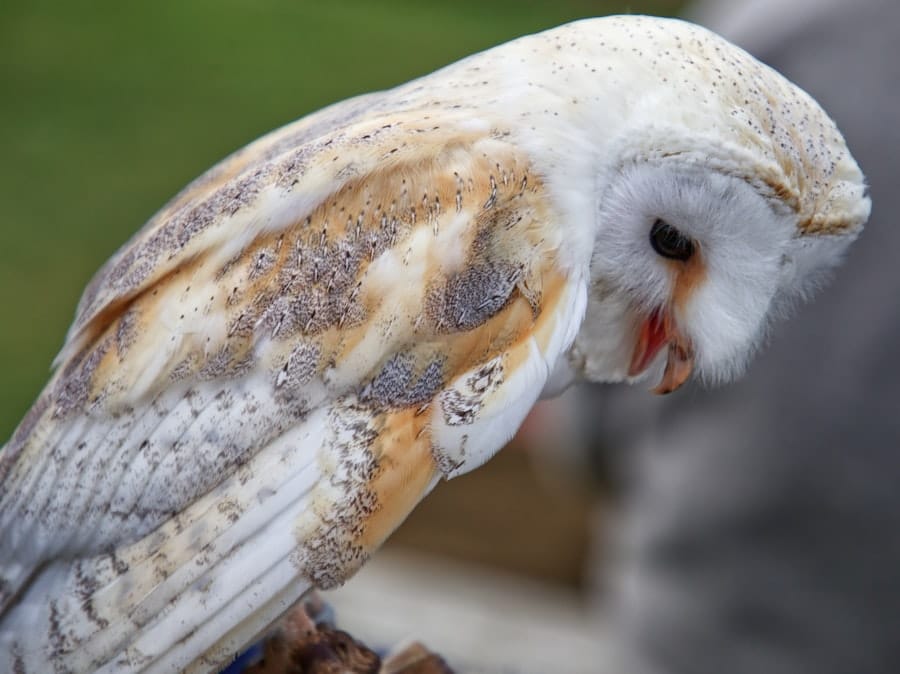
- Birds such as owls and hawks are effective pest control animals, preying on rodents and insects that can cause damage to crops and property.
- Insects like ladybugs and praying mantises are beneficial pest control animals, feeding on harmful pests like aphids and caterpillars.
- Mammals like cats and dogs can also serve as pest control animals, keeping rodent populations in check in agricultural and residential settings.
- Reptiles and amphibians such as snakes and frogs play a role in pest control by consuming insects and small rodents, contributing to a balanced ecosystem.
Birds as Pest Control
Birds are among the most effective natural pest controllers, with many species specializing in consuming insects and small rodents. For instance, swallows and martins are known for their aerial acrobatics as they catch flying insects mid-flight. By encouraging these birds to nest in your area, you can significantly reduce the number of pests that invade your garden or home.
Installing birdhouses or providing suitable nesting sites can attract these beneficial species, creating a natural barrier against pests. In addition to their insect-eating habits, some birds also help control larger pest populations. For example, hawks and owls are skilled hunters that prey on rodents, helping to keep their numbers down.
By fostering a diverse bird population in your environment, you not only benefit from their pest control abilities but also enjoy the beauty and song of these feathered friends. Creating a bird-friendly habitat can be as simple as planting native vegetation and providing water sources, which will encourage a thriving ecosystem.
Insects as Pest Control
While it may seem counterintuitive to use insects to control pests, many species play a crucial role in maintaining balance within ecosystems. Ladybugs, for example, are well-known for their voracious appetite for aphids, which can wreak havoc on your garden plants. By introducing ladybugs into your garden, you can effectively reduce aphid populations without resorting to harmful pesticides.
These tiny beetles are not only effective predators but also harmless to your plants and beneficial insects. Another remarkable insect that aids in pest control is the praying mantis. Known for their predatory prowess, mantises will consume a wide variety of pests, including caterpillars and beetles.
By creating an environment that attracts these beneficial insects, you can harness their natural hunting abilities to keep your garden healthy and thriving. Incorporating insect-friendly practices, such as avoiding broad-spectrum insecticides, will help maintain a balanced ecosystem where these natural predators can flourish.
Mammals as Pest Control
Mammals also play a significant role in pest control, particularly when it comes to managing rodent populations. Animals like cats and ferrets have been domesticated for centuries for their hunting skills. Cats are particularly adept at catching mice and rats, making them a popular choice for households looking to keep these pests at bay.
By allowing a cat to roam freely in your home or garden, you can benefit from its natural instincts while enjoying the companionship of a beloved pet. In addition to domestic mammals, wild species such as foxes and weasels are also effective at controlling rodent populations. These animals are skilled hunters that can help maintain balance in local ecosystems by preying on small mammals that may otherwise overpopulate.
Encouraging the presence of these natural predators can be achieved by creating habitats that support their needs, such as dense brush or native vegetation. By fostering a diverse mammalian population in your area, you can enhance your pest control efforts while promoting biodiversity.
Reptiles and Amphibians as Pest Control
Reptiles and amphibians are often overlooked when it comes to pest control, yet they play an essential role in managing insect populations. Frogs and toads are particularly effective at consuming pests like mosquitoes and flies, which can be both annoying and harmful to human health. By creating a welcoming environment for these amphibians—such as adding a small pond or water feature—you can encourage their presence and benefit from their natural pest control abilities.
Similarly, reptiles like lizards and snakes contribute to pest management by preying on insects and small rodents. Many lizards are insectivorous and will consume a variety of pests that threaten your garden. Snakes, on the other hand, help control rodent populations by hunting them down efficiently.
By promoting habitats that support these reptiles and amphibians, you not only enhance your pest control efforts but also contribute to the overall health of your local ecosystem.
Fish as Pest Control
While fish may not be the first animals that come to mind when considering pest control, they can be surprisingly effective in managing certain types of pests, particularly in aquatic environments. For instance, goldfish and koi are known to consume mosquito larvae in ponds and water gardens. By introducing these fish into your water features, you can significantly reduce mosquito populations without resorting to chemical treatments.
In addition to controlling mosquito larvae, some fish species also help manage algae growth in ponds and lakes. Herbivorous fish like grass carp can consume excessive plant growth that may harbor pests or create unsightly conditions in your water features. By carefully selecting fish species that align with your pest control goals, you can create a balanced aquatic ecosystem that thrives while keeping unwanted pests at bay.
Benefits of Using Pest Control Animals
The advantages of utilizing pest control animals extend far beyond mere convenience; they encompass ecological health, sustainability, and cost-effectiveness. One of the most significant benefits is the reduction of chemical pesticide use. By relying on natural predators to manage pest populations, you minimize the risk of chemical runoff into waterways and protect beneficial insects from harm.
This approach fosters a healthier environment for both humans and wildlife. Moreover, employing pest control animals promotes biodiversity within your ecosystem. When you create habitats that support various species—be it birds, insects, mammals, reptiles, or fish—you contribute to a balanced environment where all organisms can thrive.
This diversity not only enhances the resilience of your local ecosystem but also provides aesthetic enjoyment and educational opportunities for you and your community.
Considerations for Using Pest Control Animals
While integrating pest control animals into your management strategies offers numerous benefits, there are important considerations to keep in mind. First and foremost is the need for proper habitat creation. Each species has specific requirements for nesting, feeding, and shelter; understanding these needs is crucial for attracting them successfully.
For example, if you’re looking to attract birds, providing suitable nesting sites and food sources is essential. Additionally, it’s important to recognize that not all animals will be effective in every situation. Some species may be more suited for specific types of pests or environments than others.
Conducting thorough research on which animals are best suited for your particular pest issues will ensure that you make informed decisions about which species to encourage in your area. In conclusion, utilizing pest control animals presents an innovative approach to managing unwanted pests while promoting ecological balance and sustainability. By understanding the roles played by various species—from birds and insects to mammals and fish—you can create an environment that supports natural pest management solutions.
As you consider integrating these animals into your pest control strategies, remember the importance of habitat creation and species selection to maximize their effectiveness. Embracing this natural approach not only benefits your immediate surroundings but also contributes positively to the broader ecosystem.
If you are interested in learning more about pest control services, you may want to check out the article Outsmarting Nature: A Modern Approach to Pest Control. This article discusses innovative methods and strategies for effectively managing pests in a modern world. It provides valuable insights into how technology and science can be used to combat pest infestations and protect our homes and businesses.
FAQs
What animals are natural pest controllers?
Some animals that are natural pest controllers include ladybugs, lacewings, spiders, birds, bats, and certain species of frogs and toads.
How do ladybugs help control pests?
Ladybugs are known to feed on aphids, mites, and other small insects that are considered pests to crops and gardens. They are considered beneficial insects for natural pest control.
What role do birds play in pest control?
Birds such as sparrows, swallows, and bluebirds are known to feed on insects like caterpillars, beetles, and grasshoppers, helping to keep their populations in check.
How do bats contribute to pest control?
Bats are known to consume large quantities of insects, including mosquitoes, moths, and beetles, making them effective natural pest controllers.
What types of spiders are beneficial for pest control?
Spiders such as orb-weavers, jumping spiders, and wolf spiders are known to feed on a variety of insects, including flies, mosquitoes, and agricultural pests.
What are some examples of frogs and toads that help control pests?
Certain species of frogs and toads, such as the American toad and the green tree frog, are known to consume insects like mosquitoes, flies, and beetles, making them valuable for pest control in their habitats.