
Mosquitoes are often regarded as one of the most annoying pests, especially during the warmer months when outdoor activities become more frequent. Their incessant buzzing and itchy bites can turn a pleasant evening into a frustrating experience. You may find yourself constantly swatting them away or retreating indoors to escape their relentless pursuit.
As you seek ways to protect yourself from these tiny nuisances, you might be surprised to learn that soap can play a role in repelling mosquitoes. This article will explore the fascinating relationship between mosquitoes and soap, delving into the science behind mosquito-repelling soaps, the ingredients that make them effective, and how you can use them to your advantage. The idea of using soap as a mosquito repellent may seem unconventional at first.
However, many people have turned to this method as a natural alternative to chemical-laden sprays and lotions. With growing concerns about the potential health risks associated with synthetic repellents, you may be looking for safer options that still provide effective protection. By understanding how certain soaps can deter mosquitoes, you can make informed choices about your personal care products and enjoy your time outdoors without the constant threat of bites.
Key Takeaways
- Mosquito-repelling soaps are a natural and chemical-based solution to repel mosquitoes while keeping the skin clean and fresh.
- Natural ingredients like citronella, eucalyptus, and lavender are effective in repelling mosquitoes and are commonly used in mosquito-repelling soaps.
- Chemical ingredients like DEET and picaridin are also effective in repelling mosquitoes and are commonly found in commercial mosquito-repelling soaps.
- Popular soap brands with mosquito-repelling properties include Dr. Bronner’s, Murphy’s Naturals, and Avon Skin-So-Soft.
- To effectively use mosquito-repelling soaps, it is important to lather the soap on the skin and reapply as needed, especially after sweating or swimming.
The Science Behind Mosquito Repellent Soaps
At the core of mosquito-repelling soaps lies an intriguing blend of chemistry and biology. Mosquitoes are attracted to humans primarily by the carbon dioxide we exhale, our body heat, and certain body odors. When you apply soap that contains specific ingredients known to repel these pests, you can alter the scent profile that mosquitoes detect.
This alteration can make you less appealing to them, reducing the likelihood of bites. The effectiveness of mosquito-repelling soaps is largely dependent on their formulation. Many of these soaps contain essential oils or other natural compounds that have been shown to deter mosquitoes.
For instance, oils like citronella, eucalyptus, and lavender are known for their repellent properties. When you use a soap infused with these ingredients, you create a barrier that masks the scents that attract mosquitoes, making it less likely for them to hone in on you. Understanding this science can empower you to choose products that not only cleanse your skin but also provide an added layer of protection against these pesky insects.
Natural Ingredients that Repel Mosquitoes
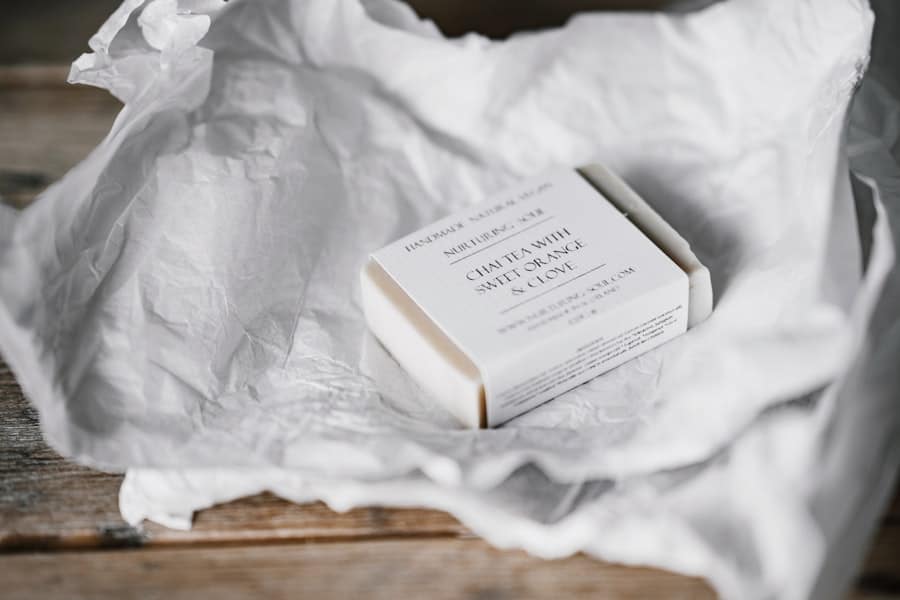
When it comes to natural mosquito repellents, several ingredients stand out for their effectiveness. You may have heard of citronella oil, which is derived from lemongrass and is widely recognized for its ability to ward off mosquitoes. This oil works by masking the scents that attract these insects, making it a popular choice in many mosquito-repelling soaps.
By opting for soaps that contain citronella, you can enjoy a refreshing fragrance while simultaneously keeping mosquitoes at bay. Another powerful natural ingredient is eucalyptus oil. Known for its invigorating scent, eucalyptus oil has been shown to repel mosquitoes effectively.
When you use soap infused with this oil, you not only cleanse your skin but also create an environment that is less inviting to these pests. Additionally, lavender oil is another excellent option; its calming aroma is not only pleasant for humans but also serves as a deterrent for mosquitoes. By incorporating these natural ingredients into your bathing routine, you can enhance your defenses against mosquito bites while enjoying the benefits of aromatherapy.
Chemical Ingredients that Repel Mosquitoes
While natural ingredients are often preferred for their safety and environmental friendliness, some chemical compounds have also proven effective in repelling mosquitoes. One of the most well-known chemical repellents is DEET (N,N-diethyl-meta-toluamide). This compound has been extensively studied and is recognized for its ability to provide long-lasting protection against mosquito bites.
Soaps containing DEET can offer a convenient way to incorporate this powerful repellent into your daily hygiene routine. Another chemical ingredient that has gained popularity in mosquito-repelling products is picaridin. Similar to DEET in its effectiveness, picaridin is often favored for its milder scent and lower likelihood of causing skin irritation.
When looking for soaps with mosquito-repelling properties, you may come across formulations that include picaridin as an active ingredient. While these chemical options can be effective, it’s essential to consider your skin type and any sensitivities you may have before choosing a product.
Popular Soap Brands with Mosquito-Repelling Properties
As the demand for mosquito-repelling products continues to grow, several brands have emerged as leaders in this niche market. One such brand is Bug Soother, which offers a range of soaps infused with natural ingredients like citronella and lemongrass. These products are designed not only to cleanse but also to provide a protective barrier against mosquitoes, making them ideal for outdoor enthusiasts.
Another popular option is Repel Soap, which combines essential oils known for their repellent properties with gentle cleansing agents. This brand focuses on creating effective yet skin-friendly products that cater to those who want to avoid harsh chemicals while still enjoying protection from mosquitoes. By exploring these brands and their offerings, you can find a soap that aligns with your values and provides the mosquito defense you need.
Tips for Using Mosquito-Repelling Soaps Effectively
To maximize the effectiveness of mosquito-repelling soaps, there are several tips you should keep in mind. First and foremost, it’s essential to apply the soap thoroughly and evenly across your skin. Pay special attention to areas that are more prone to bites, such as your arms and legs.
By ensuring complete coverage, you create a more effective barrier against mosquitoes. Additionally, consider using mosquito-repelling soap in conjunction with other protective measures. Wearing long sleeves and pants can further reduce your exposure to bites, especially during peak mosquito activity times like dawn and dusk.
If you’re planning an outdoor event or activity, applying the soap shortly before heading outside can enhance its effectiveness. By combining these strategies, you can create a comprehensive approach to mosquito protection that allows you to enjoy the great outdoors without fear of pesky bites.
Potential Risks and Side Effects of Mosquito-Repelling Soaps
While mosquito-repelling soaps can offer significant benefits, it’s important to be aware of potential risks and side effects associated with their use. Some individuals may experience skin irritation or allergic reactions to certain ingredients, particularly those found in chemical formulations like DEET or picaridin. If you have sensitive skin or a history of allergies, it’s advisable to conduct a patch test before using any new product extensively.
Moreover, while natural ingredients are generally considered safer, they can still cause reactions in some individuals. Essential oils like eucalyptus or citronella may lead to irritation if used in high concentrations or on sensitive skin types. Always read labels carefully and consult with a healthcare professional if you have concerns about specific ingredients or potential interactions with other products you may be using.
Conclusion and Final Recommendations
In conclusion, mosquitoes are an ever-present nuisance during warmer months, but using mosquito-repelling soaps can provide an effective means of protection while keeping your skin clean and refreshed. By understanding the science behind these products and exploring both natural and chemical ingredients that repel mosquitoes, you can make informed choices about your personal care routine. As you consider incorporating mosquito-repelling soaps into your life, remember to choose products that align with your values and skin sensitivities.
Whether you opt for natural formulations or those containing chemical repellents like DEET or picaridin, ensure that you apply them correctly for maximum effectiveness. With the right approach and knowledge at your disposal, you can enjoy outdoor activities without the constant worry of mosquito bites ruining your experience. Embrace the summer months with confidence, knowing that you’ve taken steps to protect yourself from these pesky pests!
If you’re interested in learning more about common urban pest problems, you should check out the article From Roaches to Rats: Tackling Common Urban Pest Problems. This article provides valuable information on how to deal with various pests that may invade your home, including tips on prevention and elimination. It’s a great resource for anyone looking to keep their living space pest-free.
FAQs
What soap do mosquitoes hate?
There is no scientific evidence to suggest that mosquitoes hate any specific type of soap.
Do certain soaps repel mosquitoes?
Some soaps may contain ingredients that have mosquito-repelling properties, such as citronella or eucalyptus oil. However, the effectiveness of these soaps as mosquito repellents may vary and should not be relied upon as the sole method of protection against mosquitoes.
What are some effective ways to repel mosquitoes?
Effective ways to repel mosquitoes include using insect repellent containing DEET, wearing long-sleeved clothing, using mosquito nets, and eliminating standing water around your home.
Can soap be used as a mosquito repellent?
While some soaps may contain ingredients that have mosquito-repelling properties, they are not typically as effective as dedicated insect repellents. It is important to use products specifically designed for repelling mosquitoes for optimal protection.