
From Roaches To Rats: Tackling Common Urban Pest Problems
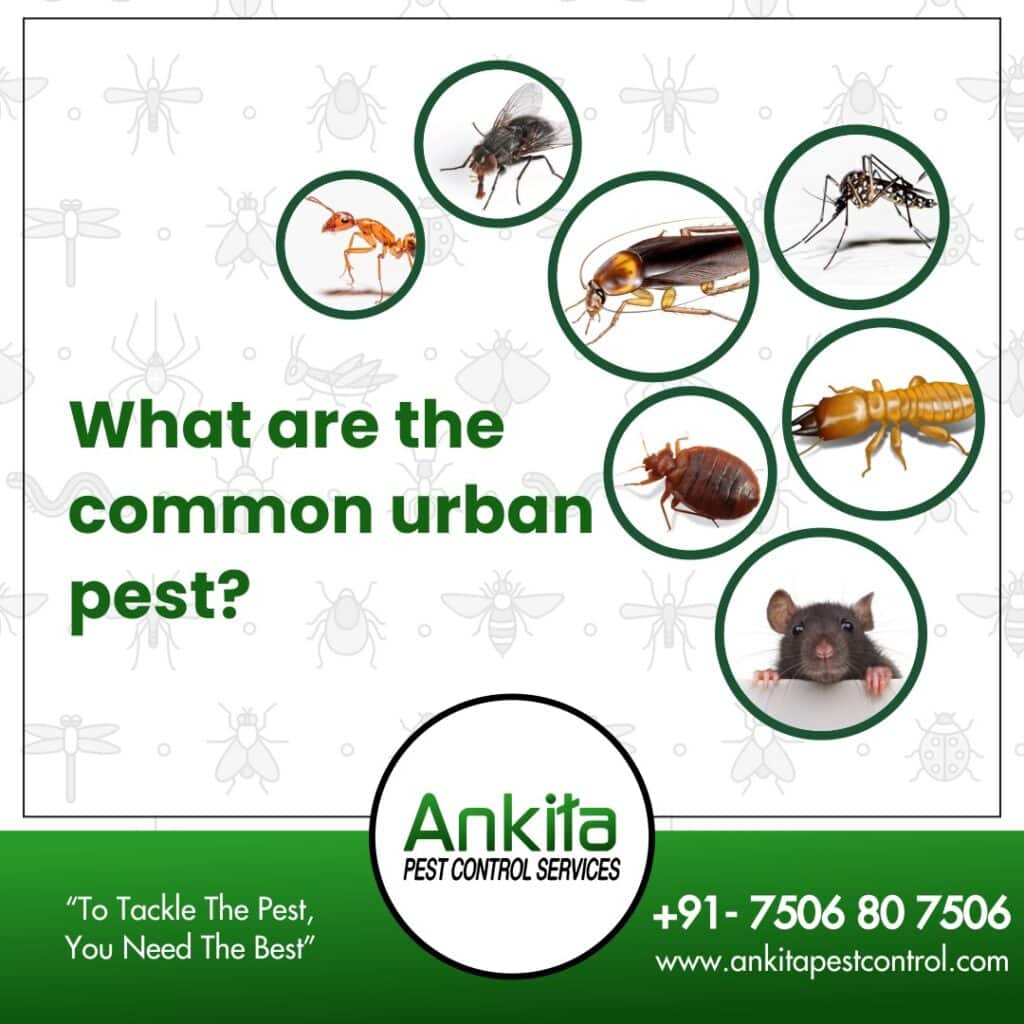
What would you do if suddenly spotted a cockroach scuttling across your kitchen floor? You might feel a rush of disgust or even panic. Urban living often comes with unique challenges, and pest problems are one of them. Here’s a friendly guide to help you understand and address some of the most common pests that invade our homes—cockroaches and rats.
Understanding Urban Pests
Urban pests can be a nuisance, and their presence can indicate more significant issues in your living environment. They often thrive in densely populated areas where food, water, and shelter are readily available. Knowing what attracts these pests and how they operate is the first step in pest prevention.
Why Urban Areas Attract Pests
Urban environments provide easy access to food scraps, poorly maintained trash bins, and shelter in buildings and gardens. The key contributors include:
- Food Availability: Restaurants, homes, and convenience stores often provide an ample food supply, making it easy for pests to flourish.
- Shelter Options: Tight spaces, cracks, and crevices in buildings offer ideal hiding spots for pests.
- Human Activity: More people mean more waste, attracting more pests.
Understanding these factors can empower you to take preventive measures.
The Most Common Urban Pests
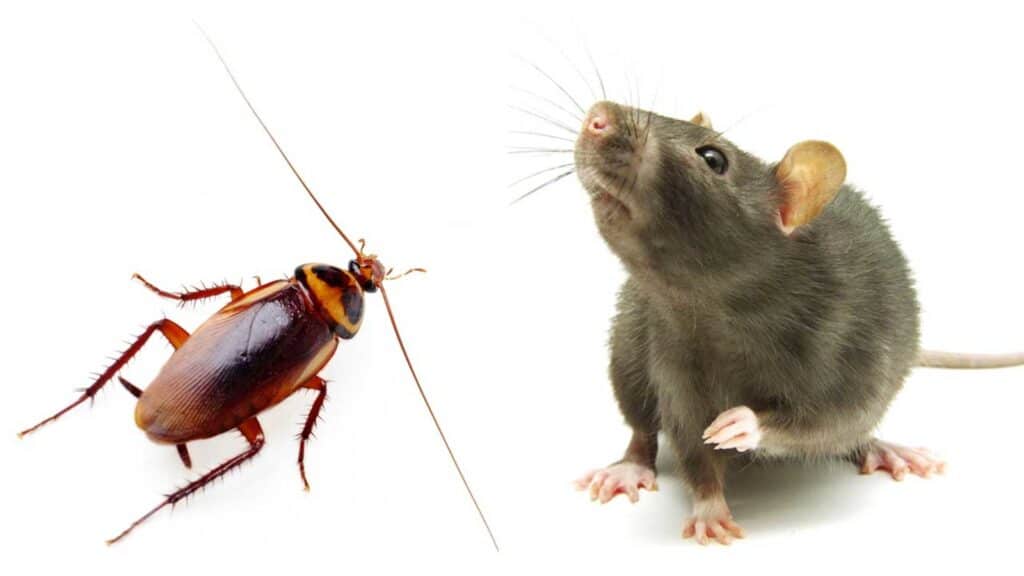
While various pests exist, cockroaches and rats are two of the most notorious. If left unchecked, both can create significant health risks and discomfort.
Cockroaches
These resilient little critters seem to thrive in any environment. With their flat bodies and quick movements, they can evade detection and reproduce rapidly. Let’s look at them in detail.
Types of Cockroaches
There are several species of cockroaches that you might encounter:
| Type | Characteristics | Preferred Habitat |
|---|---|---|
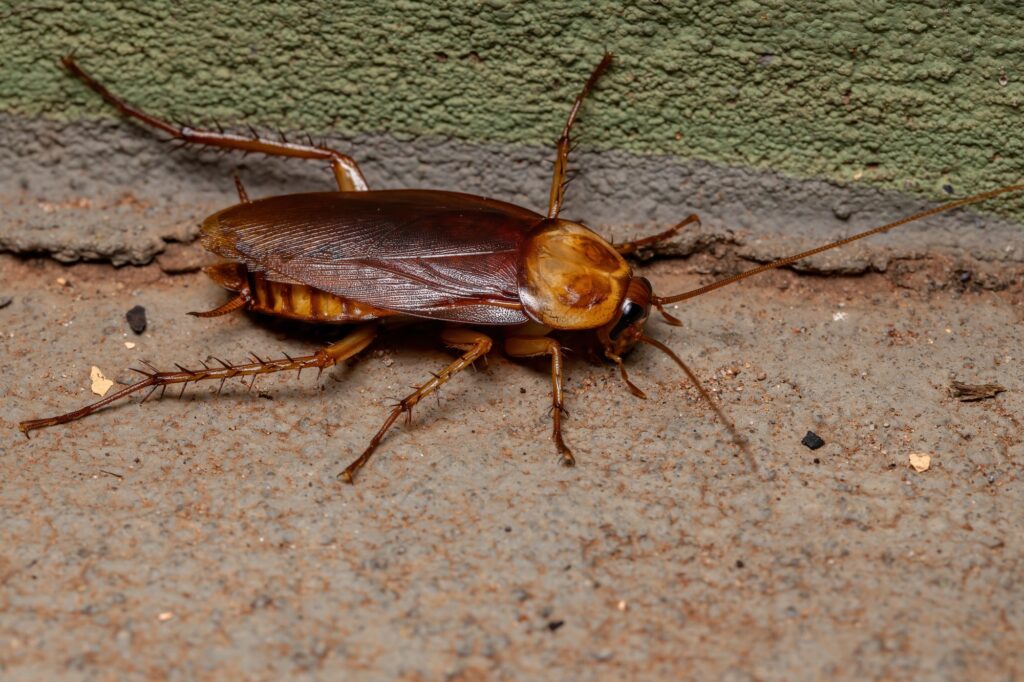
| American Cockroach | Brown with a yellow band | Warm, moist areas like kitchens and basements |
| German Cockroach | Tan with two dark stripes | Kitchens and bathrooms |
| Oriental Cockroach | Shiny black, larger size | Damp areas like basements |
| Brown-banded Cockroach | Light brown bands on wings | Dry environments in homes |
Each type has unique habits and preferred habitats, affecting how you tackle an infestation.
Health Risks Associated with Cockroaches
These pests bring along a set of health risks, including:
- Allergic Reactions: Cockroach droppings and saliva can trigger allergies or asthma, particularly in children.
- Disease Transmission: Cockroaches can carry pathogens and bacteria that may contaminate food and surfaces, leading to illnesses.
Wouldn’t you want these unwanted guests causing health concerns in your home?
Rats
Rats can evoke feelings of dread. Their presence is a clear indication of unsanitary conditions and potential health hazards.
Types of Urban Rats
Rats typically come in two major varieties:
| Type | Characteristics | Preferred Habitat |
|---|---|---|
| Norway Rat | Brown, robust build, short tail | Burrows, sewers, and basements |
| Roof Rat | Black, long body, and tail | Trees, attics, and rooftops |
Both types can wreak havoc in your home, so it’s essential to understand them.
Health Risks Associated with Rats
Rats are more than just a nuisance; they can pose serious health risks:
- Disease Carriers: They can transmit diseases such as leptospirosis and hantavirus, which can have severe health consequences.
- Allergies and Asthma: Like cockroaches, rat droppings can cause allergic reactions and exacerbate asthma.
Keeping these risks in mind can motivate you to tackle infestations swiftly.
Identifying Pest Infestations
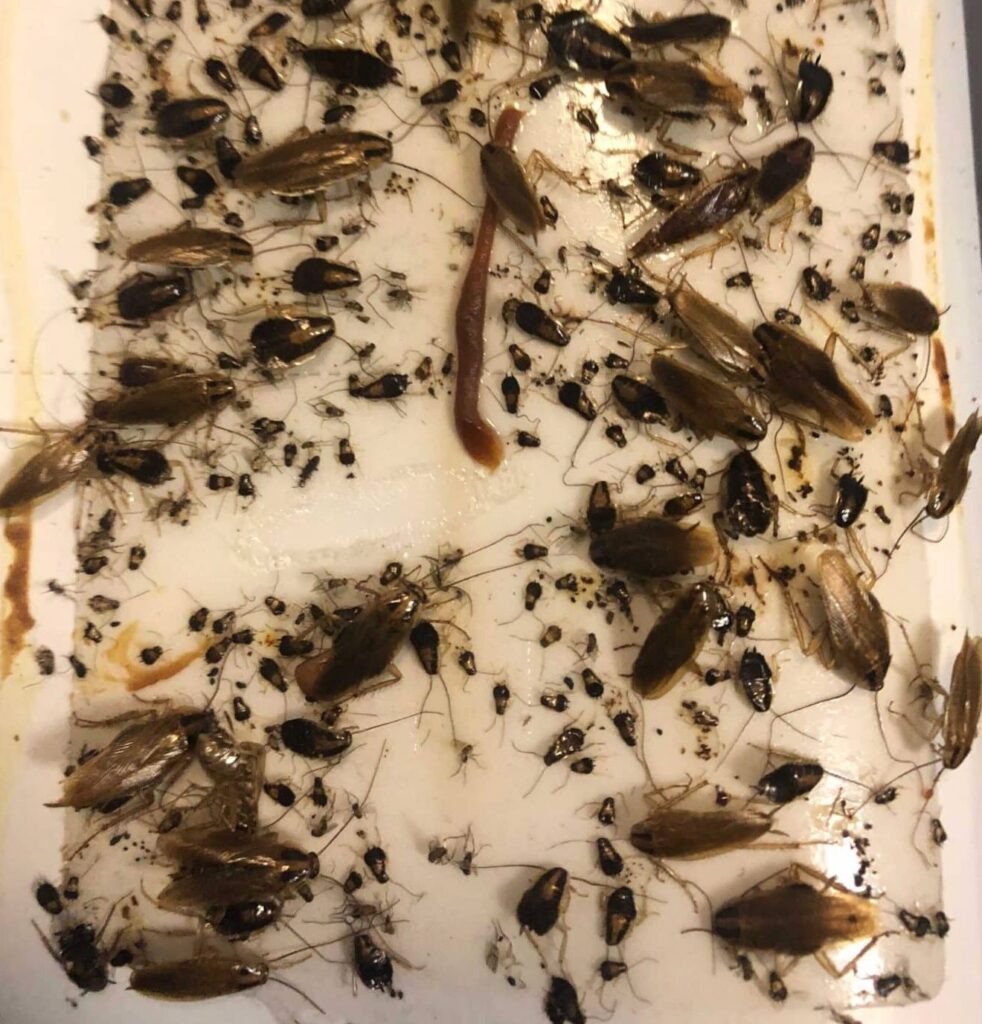
Identifying a pest problem in your home can be tricky. Knowing what to look for is crucial to addressing the issue quickly.
Signs of Cockroach Infestations
Here are some signs that you may have a cockroach problem:
- Droppings: Look for small, dark, cylindrical droppings in areas they frequent.
- Egg Cases: Small, brown egg cases could indicate an infestation.
- Odor: A musty, oily scent is often a telltale of cockroaches.
The sooner you identify these signs, the quicker you can act to mitigate the problem.
Signs of Rat Infestations
Rats leave behind signs that are easier to detect if you know what you’re looking for. Common indicators include:
- Droppings: Rat droppings are more significant, often resembling rice grains.
- Gnaw Marks: Look for gnawing on food packaging, electrical cords, and wooden structures.
- Nests: They might create nests from shredded materials in quiet places.
As with cockroaches, prompt identification allows you to address the problem more effectively.
Prevention Strategies
Now that you understand what attracts pests and how to recognize an infestation, it’s time to learn how to prevent one from happening in the first place.
Preventing Cockroaches
You can take several steps to deter cockroaches from invading your home:
- Seal Entry Points: Ensure that all cracks and crevices in walls, windows, and doors are sealed effectively.
- Maintain Cleanliness: Regularly sweep and mop your floors and store food in airtight containers.
- Reduce Clutter: Cockroaches love hiding spots; minimizing clutter can help you spot them more easily.
Preventing Rats
To keep rats at bay, consider these preventive measures:
- Secure Trash Bins: Use bins with tight-fitting lids and dispose of waste regularly.
- Block Entry Points: Inspect your home for holes and gaps, particularly around utility lines, and seal them.
- Limit Food Sources: Store food securely and avoid leaving pet food overnight.
Implementing these strategies can significantly decrease the likelihood of a pest invasion.
Tackling Infestations
If you face an infestation, it’s essential to take swift action.
Dealing with Cockroach Infestations
You have several options when dealing with cockroach infestations:
- Traps: Sticky traps can help you monitor and reduce the cockroach population.
- Baits: Roach baits containing insecticides can be placed where you suspect activity.
- Professional Pest Control: If the infestation is severe, call a pest control service to handle the problem.
Combining these methods can provide the most effective results.
Dealing with Rat Infestations
Once you’ve confirmed a rat presence, you can take the following steps:
- Trapping: Snap or humane traps can quickly reduce the rat population.
- Rodenticides: These chemicals can effectively eliminate rats but must be used cautiously, especially if you have pets or children.
- Professional Help: For larger infestations, opting for a pest control professional can make a world of difference, just like with cockroaches.
Taking immediate steps can prevent more significant problems down the line.
Long-Term Solutions
Once you’ve dealt with an infestation, you’d want to ensure it doesn’t happen again. Here are some strategies for long-term pest management.
Regular Inspections
Regular pest inspections—ideally every few months—can help you catch potential issues before they escalate. Look for signs of pests, check entry points, and assess the overall cleanliness of your home.
Continuous Cleanliness
It’s essential to maintain a routine cleaning schedule.
- Daily Tasks: Wipe down surfaces, wash dishes, and sweep floors to eliminate food particles.
- Weekly Tasks: Vacuum carpets, clean under appliances, and remove clutter to reduce hiding spots.
Making cleanliness a habit helps to lessen the attraction for pests significantly.
Landscaping Considerations
If you live in a home with a yard, your outdoor space can also impact your indoor pest situation.
- Trim Vegetation: Trim bushes and trees away from your home to limit access points for rats and cockroaches.
- Keep Mulch Dry: Excess moisture in mulch can cause pests like cockroaches.
I want you to know that being proactive with outdoor maintenance complements your indoor efforts.
Urban pest problems like cockroaches and rats can feel overwhelming, but you can tackle these pesky intruders effectively with the right approach. Understanding what attracts these pests, recognizing signs of infestation, applying preventive measures, and knowing how to handle an outbreak can empower you to maintain a pest-free environment in your home.
So, the next time you see that unwelcome guest scurry across your floor, remember the friendly strategies you’ve learned. Address the problem calmly, and take the necessary steps to reclaim your space! In time, you’ll be able to enjoy your home without worrying about these common urban pests.
==========
Content 10/10/G