
When it comes to maintaining a healthy and comfortable living environment, preventing infestations is paramount. You may not realize it, but the first line of defense against pests begins with your daily habits and home maintenance routines. Regularly inspecting your home for cracks, gaps, and other entry points can significantly reduce the likelihood of unwelcome guests.
Sealing these openings with caulk or weather stripping can create a barrier that pests find difficult to breach. Additionally, keeping your living spaces clean and clutter-free is essential. By routinely cleaning up food spills, storing food in airtight containers, and managing waste properly, you can eliminate the attractants that draw pests into your home.
Moreover, landscaping plays a crucial role in pest prevention. You should consider trimming back overgrown vegetation and keeping mulch away from the foundation of your home. This not only enhances the aesthetic appeal of your property but also minimizes the chances of pests finding a suitable habitat close to your living space.
Regularly checking for standing water around your property can also help prevent mosquitoes and other water-loving pests from breeding. By taking these proactive measures, you can create an environment that is less inviting to pests, ultimately safeguarding your home from potential infestations.
Key Takeaways
- Regularly inspect and clean your home to prevent infestations of pests and rodents
- Keep food stored in airtight containers and promptly clean up spills to protect health and safety
- Seal cracks and crevices in your home to minimize property damage from pests and rodents
- Use traps and baits to control population growth of pests and rodents
- Address pest and rodent issues promptly to avoid costly extermination and repairs
- Choose environmentally friendly pest control methods to preserve the environment
- Regular pest control measures can ensure peace of mind and a comfortable living environment
- Responsible pet ownership includes keeping pets free of pests and rodents to prevent infestations
Protecting Health and Safety
Your health and safety should always be a top priority, and pest control is an integral part of that equation. Pests such as rodents, cockroaches, and certain insects can carry diseases that pose serious health risks to you and your family. For instance, rodents are known carriers of hantavirus and leptospirosis, while cockroaches can trigger asthma and allergies in sensitive individuals.
By taking steps to prevent infestations, you are not only protecting your home but also safeguarding the well-being of everyone who resides there. In addition to the health risks posed by pests themselves, the methods used to control them can also impact safety. Many commercial pest control products contain chemicals that may be harmful if not used correctly.
By opting for preventive measures and natural pest control methods, you can minimize exposure to potentially hazardous substances. This approach not only protects your health but also ensures a safer environment for pets and children who may be more vulnerable to chemical exposure. Ultimately, prioritizing pest prevention is a proactive way to maintain a safe and healthy home.
Minimizing Property Damage
Pests can wreak havoc on your property if left unchecked, leading to costly repairs and significant damage. Termites, for example, are notorious for their ability to silently destroy wooden structures over time. If you notice signs of termite activity, such as mud tubes or hollow-sounding wood, it’s crucial to act quickly to mitigate the damage.
By implementing preventive measures like regular inspections and treatments, you can catch potential infestations early and avoid extensive property damage. In addition to termites, other pests like rodents can cause significant harm by gnawing on electrical wires, insulation, and even structural components of your home. This not only poses a risk of fire but can also lead to costly repairs down the line.
By being vigilant about pest prevention and addressing any signs of infestation promptly, you can protect your property from the destructive tendencies of these unwelcome guests. Investing time and effort into maintaining a pest-free environment ultimately saves you money and preserves the integrity of your home.
Controlling Population Growth
One of the most effective ways to manage pests is by controlling their population growth before it spirals out of control. You may not realize it, but many pests reproduce at alarming rates, making it essential to address any signs of infestation as soon as they appear. For instance, a single female cockroach can produce hundreds of offspring in her lifetime if conditions are favorable.
By implementing preventive measures early on, you can significantly reduce the chances of a small problem escalating into a full-blown infestation. In addition to preventive measures, understanding the life cycles of common pests can help you develop effective control strategies. For example, knowing when certain pests are most active or when they breed can inform your approach to pest management.
By timing your interventions appropriately—whether through traps, baits, or natural deterrents—you can disrupt their reproductive cycles and keep their populations in check. This proactive approach not only minimizes the immediate threat posed by pests but also contributes to long-term pest management success.
Avoiding Costly Extermination
Dealing with a pest infestation can be both stressful and expensive. You may find yourself facing hefty extermination bills if you wait too long to address the issue. By taking preventive measures and being proactive about pest control, you can avoid the need for costly extermination services altogether.
Regular inspections and maintenance can help you catch potential problems before they escalate into full-blown infestations that require professional intervention. Additionally, many pest control companies offer preventative services that are often more affordable than emergency extermination treatments. By investing in routine inspections and treatments, you can save money in the long run while ensuring that your home remains pest-free.
This proactive approach not only protects your wallet but also provides peace of mind knowing that you are taking steps to safeguard your living environment.
Preserving the Environment
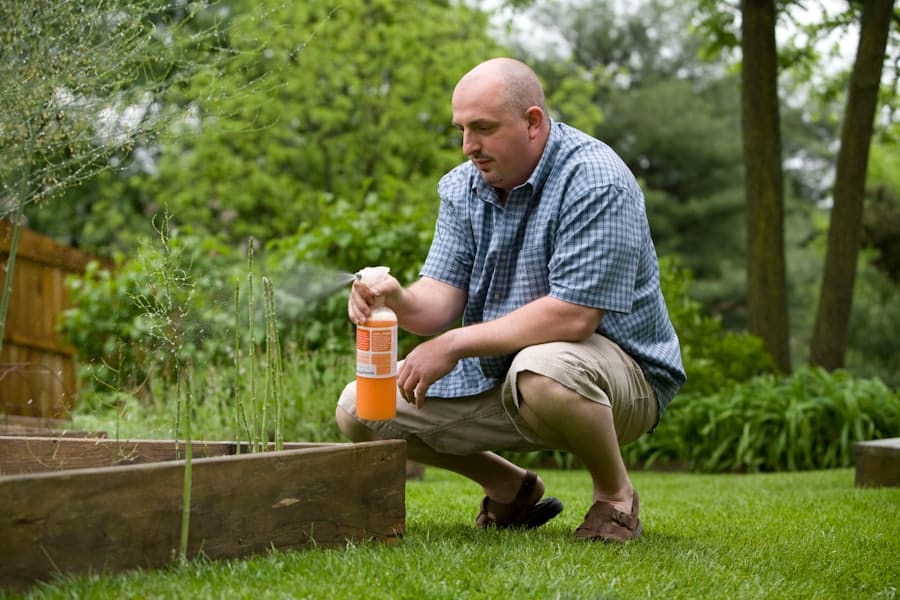
In today’s world, environmental consciousness is more important than ever. You may be concerned about the impact that traditional pest control methods have on the ecosystem. Many chemical pesticides can harm beneficial insects, contaminate soil and water sources, and disrupt local wildlife habitats.
By adopting integrated pest management (IPM) practices that focus on prevention and natural solutions, you can effectively manage pests while minimizing your environmental footprint. Utilizing natural deterrents such as essential oils or diatomaceous earth can be effective alternatives to chemical pesticides. These methods not only reduce the risk of harming non-target species but also promote a healthier living environment for you and your family.
Additionally, by practicing responsible waste management and reducing clutter around your home, you contribute to a cleaner environment that is less conducive to pest infestations. Ultimately, prioritizing environmentally friendly pest control methods allows you to protect both your home and the planet.
Ensuring Peace of Mind
Living in a pest-free environment provides a sense of comfort and peace of mind that is invaluable. You deserve to feel safe in your own home without the constant worry of encountering unwanted pests. By taking proactive steps to prevent infestations, you create a sanctuary where you can relax and enjoy life without the stress that comes with pest problems.
Knowing that you have implemented effective measures to protect your home allows you to focus on what truly matters—spending quality time with loved ones. Moreover, peace of mind extends beyond just physical comfort; it also encompasses emotional well-being. The anxiety associated with pest infestations can take a toll on your mental health.
By prioritizing prevention and addressing any signs of trouble promptly, you can alleviate this stress and foster a more positive living environment. Ultimately, investing in pest prevention is an investment in your overall quality of life.
Promoting Responsible Pet Ownership
If you have pets at home, responsible pet ownership goes hand in hand with effective pest management. Pets can attract pests such as fleas and ticks if not properly cared for, leading to infestations that affect both them and your household. Regular grooming and veterinary check-ups are essential for keeping your pets healthy and free from parasites.
Additionally, maintaining a clean living space for your pets helps prevent pests from taking up residence in your home. Furthermore, educating yourself about the specific needs of your pets regarding pest prevention is crucial. For instance, using pet-safe products for flea control ensures that you are protecting both your furry friends and your home from infestations without compromising their health.
By being proactive about pest management in relation to pet ownership, you create a harmonious living environment where both pets and humans can thrive together without the threat of pests disrupting your lives. In conclusion, taking a comprehensive approach to pest prevention is essential for maintaining a healthy home environment. From preventing infestations to protecting health and safety, minimizing property damage, controlling population growth, avoiding costly extermination, preserving the environment, ensuring peace of mind, and promoting responsible pet ownership—each aspect plays a vital role in creating a comfortable living space free from unwanted pests.
By being proactive and informed about pest management strategies, you empower yourself to take control of your home’s well-being while enjoying all the benefits that come with it.
Early detection and intervention are crucial when dealing with small animal pest issues to prevent infestations from getting out of control. In a related article on eco-friendly pest control, Thrift Pest Control discusses the importance of using environmentally safe methods to keep your home free of pests. By taking proactive measures and addressing pest problems early on, homeowners can avoid the nightmares of dealing with rodents and other unwanted guests in their attic, as highlighted in another article on Thrift Pest Control.
FAQs
What are small animal pests?
Small animal pests refer to animals such as rodents, insects, and other small creatures that can cause damage to property, spread disease, and pose a threat to human and animal health.
Why is early detection important when dealing with small animal pest issues?
Early detection of small animal pest issues is important because it allows for prompt intervention, preventing the problem from escalating and causing more damage. It also helps to minimize the potential health risks associated with small animal pests.
What are the potential consequences of ignoring small animal pest issues?
Ignoring small animal pest issues can lead to property damage, contamination of food and water sources, and the spread of diseases. It can also result in increased populations of pests, making it more difficult and costly to control the problem in the long run.
How can early intervention help in dealing with small animal pest issues?
Early intervention can help in dealing with small animal pest issues by preventing the pests from establishing a foothold in the area, reducing the need for extensive pest control measures, and minimizing the impact on human and animal health.
What are some methods of early detection and intervention for small animal pest issues?
Methods of early detection and intervention for small animal pest issues include regular inspections of property, proper sanitation practices, sealing entry points, and the use of traps and baits. It is also important to seek professional help if the pest issue is beyond your control.