
When it comes to keeping pests at bay, you might find yourself searching for alternatives to chemical-laden products. Natural repellents offer a safe and effective way to deter unwanted insects without exposing yourself or your family to harmful substances. These natural solutions can be derived from various sources, including plants, essential oils, and even household items.
By incorporating these natural repellents into your routine, you can create a more pleasant living environment while minimizing your ecological footprint. One of the most appealing aspects of natural repellents is their versatility. You can easily make your own mixtures at home using common ingredients, allowing you to customize the scent and effectiveness based on your specific needs.
For instance, combining vinegar with water can create a simple yet effective spray that repels ants and other crawling insects. Additionally, you can experiment with different combinations of herbs and oils to find the perfect blend that works for you. Embracing natural repellents not only helps you maintain a pest-free home but also promotes a healthier lifestyle.
Key Takeaways
- Natural repellents like citronella, peppermint, and lavender can effectively keep pests away without harmful chemicals.
- Essential oils such as tea tree, eucalyptus, and lemongrass can be used as natural insect repellents.
- Maintaining cleanliness and good hygiene in and around the house can help prevent pests from infesting the area.
- Certain plants like marigolds, lavender, and basil can act as natural repellents for insects and pests.
- Ultrasonic devices can be used to repel pests like rodents and insects without the use of chemicals.
- Citrus and vinegar can be used to create natural repellent sprays for insects and pests.
- Mint and eucalyptus are natural repellents that can be used to deter pests like spiders and ants.
- Cedar and bay leaves can be used to repel moths and other insects from clothes and pantry items.
Essential Oils
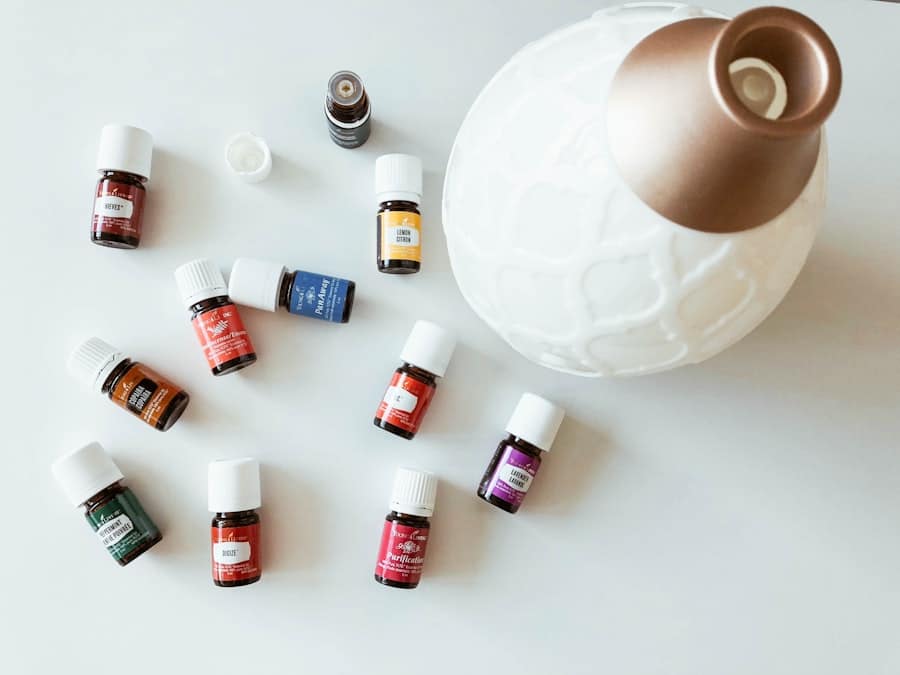
Essential oils have gained popularity in recent years for their numerous benefits, including their ability to repel insects. These concentrated plant extracts are packed with potent compounds that can deter pests while providing delightful aromas for your living space. You may find that oils such as lavender, peppermint, and tea tree are particularly effective in keeping bugs away.
By incorporating essential oils into your pest control strategy, you can enjoy a fragrant home while safeguarding it from unwanted visitors. To use essential oils effectively, consider creating your own insect-repelling spray. Simply mix a few drops of your chosen oil with water in a spray bottle and apply it to areas where pests are likely to enter or congregate.
You might also consider using an essential oil diffuser to disperse the scent throughout your home, creating an inviting atmosphere while simultaneously warding off insects. The beauty of essential oils lies in their dual purpose: they not only repel pests but also enhance your overall well-being with their therapeutic properties.
Cleanliness and Hygiene

Maintaining cleanliness and hygiene in your home is one of the most effective ways to prevent pest infestations. Pests are often attracted to food residue, clutter, and unkempt spaces, so adopting a regular cleaning routine can significantly reduce their presence. You may want to focus on high-traffic areas such as kitchens and dining rooms, where crumbs and spills are more likely to accumulate.
By keeping these spaces tidy, you create an environment that is less appealing to pests. In addition to regular cleaning, consider implementing preventive measures such as sealing food in airtight containers and promptly disposing of garbage. This not only helps keep pests at bay but also promotes a healthier living space for you and your family.
You might also want to pay attention to areas that are often overlooked, such as behind appliances or under furniture, where debris can accumulate unnoticed. By prioritizing cleanliness and hygiene, you can create a pest-resistant home that is both inviting and comfortable.
Certain Plants
Incorporating specific plants into your home or garden can serve as a natural deterrent against pests. Many plants possess inherent properties that repel insects due to their strong scents or chemical compositions. For instance, marigolds are known for their ability to ward off aphids and nematodes, making them an excellent addition to any garden.
Similarly, basil and rosemary not only enhance your culinary creations but also help keep mosquitoes and flies at bay. You might also consider placing potted herbs like mint or lavender around your home. Not only do these plants add beauty and fragrance to your space, but they also act as natural repellents against various insects.
By strategically positioning these plants near entry points or outdoor seating areas, you can create a more enjoyable environment while minimizing the risk of pest encounters. Embracing the power of certain plants allows you to harness nature’s defenses in a way that is both aesthetically pleasing and functional.
Ultrasonic Devices
Ultrasonic devices have emerged as a modern solution for pest control, utilizing sound waves to deter insects without harming them or affecting humans and pets. These devices emit high-frequency sounds that are inaudible to the human ear but can be quite disruptive to pests like rodents and insects. If you’re looking for a non-invasive method to keep pests away, investing in ultrasonic devices may be worth considering.
Setting up ultrasonic devices is typically straightforward; you simply plug them into an electrical outlet, and they begin working immediately. You might find that these devices are particularly effective in enclosed spaces such as attics or basements where pests tend to congregate. While results may vary depending on the type of pest and the specific device used, many users report a noticeable decrease in pest activity after implementing ultrasonic technology in their homes.
This innovative approach allows you to maintain a pest-free environment without resorting to harsh chemicals or traps.
Citrus and Vinegar
Citrus fruits and vinegar are two household items that can double as effective pest repellents. The strong scents of citrus peels—especially lemon and orange—are known to deter ants, spiders, and other common household pests. You might find it easy to incorporate citrus into your pest control routine by simply placing peels around entry points or using citrus-infused cleaning solutions for added effectiveness.
Vinegar is another powerful tool in your pest-repelling arsenal. Its strong odor can disrupt the scent trails left by ants and other insects, making it difficult for them to navigate your home. You can create a simple vinegar spray by mixing equal parts vinegar and water in a spray bottle.
This solution can be applied to surfaces where pests are likely to appear or even used as a general cleaning agent throughout your home. By harnessing the natural properties of citrus and vinegar, you can effectively deter pests while keeping your living space fresh and clean.
Mint and Eucalyptus
Mint and eucalyptus are two aromatic plants that not only provide delightful scents but also serve as effective natural repellents against various pests. The strong fragrance of mint is particularly effective at keeping ants, spiders, and mosquitoes at bay. You might consider planting mint in your garden or placing potted mint plants around your home for added protection against these pesky intruders.
Eucalyptus is another powerful ally in the fight against pests. Its oil contains compounds that repel mosquitoes and other flying insects, making it an excellent choice for outdoor gatherings or summer evenings spent on the patio. You can use eucalyptus oil in homemade sprays or even burn eucalyptus leaves in a fire pit to create a natural barrier against unwanted insects.
By incorporating mint and eucalyptus into your pest control strategy, you can enjoy a more pleasant living environment while effectively deterring pests.
Cedar and Bay Leaves
Cedarwood and bay leaves are two natural materials that have long been used for their pest-repelling properties. Cedarwood contains natural oils that repel moths, ants, and other insects, making it an ideal choice for closets or storage areas where clothing is kept. You might consider placing cedar blocks or chips in drawers or closets to protect your belongings from unwanted pests while imparting a pleasant aroma.
Bay leaves are another simple yet effective solution for keeping pests at bay. Their strong scent is known to deter insects like cockroaches and weevils when placed in pantry items such as grains or flour. You can easily incorporate bay leaves into your kitchen by adding them to storage containers or simply placing them around the pantry area.
By utilizing cedarwood and bay leaves in your pest control efforts, you can create a more inviting space while safeguarding your home from unwanted visitors. In conclusion, there are numerous natural methods available for repelling pests effectively without resorting to harsh chemicals or invasive techniques. By exploring options such as natural repellents, essential oils, cleanliness practices, specific plants, ultrasonic devices, citrus and vinegar solutions, mint and eucalyptus applications, as well as cedarwood and bay leaves, you can create a harmonious living environment free from unwanted intruders.
Embracing these natural alternatives not only enhances your quality of life but also contributes positively to the environment around you.
If you’re interested in learning more about effective pest control methods, you may want to check out this article on pest control myths debunked: what really works and what doesn’t. This informative piece will help you separate fact from fiction when it comes to keeping pests at bay in your home.
FAQs
What are some common pests that people encounter?
Some common pests that people encounter include ants, cockroaches, mosquitoes, flies, rodents, and bed bugs.
What do pests hate?
Pests hate certain scents such as peppermint, lavender, and citrus. They also dislike certain plants like marigolds, basil, and mint. Pests also hate clean and well-maintained environments.
How can I keep pests away from my home?
You can keep pests away from your home by sealing cracks and crevices, keeping your home clean and free of food crumbs, using natural repellents like essential oils, and maintaining a well-kept garden.
What are some natural ways to repel pests?
Some natural ways to repel pests include using essential oils like peppermint, lavender, and citrus, planting pest-repelling plants like marigolds, basil, and mint, and keeping a clean and clutter-free environment.
Are there any non-toxic methods to get rid of pests?
Yes, there are non-toxic methods to get rid of pests such as using diatomaceous earth, boric acid, and traps. Additionally, maintaining a clean environment and using natural repellents can also help deter pests without the use of toxic chemicals.