
Insects are among the most diverse and adaptable creatures on our planet, showcasing a remarkable array of behaviors that can both intrigue and perplex you. From the intricate dances of bees to the complex hunting strategies of spiders, the world of insect behavior is a captivating realm that invites exploration. You may find it astonishing that these tiny beings, often overlooked, exhibit behaviors that rival those of larger animals.
Their survival strategies, mating rituals, and social interactions reveal a level of sophistication that challenges our understanding of intelligence in the animal kingdom. As you delve deeper into the fascinating world of insect behavior, you will discover that many species have developed unique adaptations to thrive in their environments. For instance, the way ants communicate and coordinate their activities is nothing short of extraordinary.
They utilize pheromones to leave trails for others to follow, ensuring that food sources are efficiently located and shared among the colony. This level of cooperation and organization is a testament to the complexity of their social structures. By observing these behaviors, you can gain insights into the evolutionary pressures that have shaped these creatures over millions of years, highlighting the intricate balance between survival and adaptation.
Key Takeaways
- Insects exhibit a wide range of fascinating behaviors, from complex social structures to intricate navigation and foraging techniques.
- Pheromones play a crucial role in insect communication, allowing them to convey information about mating, food sources, and danger to other members of their species.
- Understanding insect social structures is essential for effective pest management, as it can help identify key individuals and behaviors that contribute to colony survival and expansion.
- Environmental factors such as temperature, humidity, and food availability have a significant impact on insect behavior, influencing their development, reproduction, and foraging patterns.
- Studying insect navigation and foraging strategies can provide valuable insights for developing innovative approaches to pest control, such as using their natural behaviors to disrupt their activities and reduce populations.
The Role of Pheromones in Insect Communication
Pheromones play a crucial role in the communication systems of insects, serving as chemical signals that convey vital information. As you explore this aspect of insect life, you will come to appreciate how these substances facilitate interactions within and between species. For example, when a queen bee releases pheromones, she not only signals her presence but also influences the behavior and reproductive status of worker bees.
This chemical communication is essential for maintaining the social structure of the hive and ensuring its overall health. In addition to signaling reproductive readiness, pheromones are also used for alarm communication. When a colony is threatened, certain insects release distress pheromones that alert others to danger.
This rapid response mechanism allows for collective defense strategies, enhancing the survival chances of the group. As you observe these interactions, you may find yourself marveling at the sophistication of such chemical communication systems, which operate silently yet effectively in the background of insect life.
Understanding Insect Social Structures
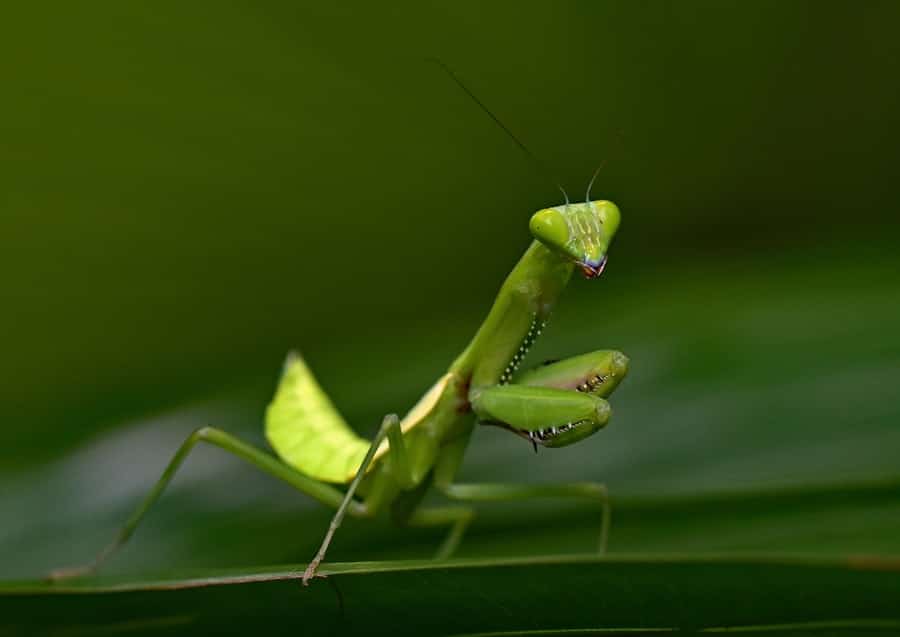
Insect social structures are as varied as the species themselves, ranging from solitary lifestyles to highly organized colonies. As you study these structures, you will encounter fascinating examples such as bees, ants, and termites, each exhibiting unique social dynamics. In a bee colony, for instance, you will find a clear division of labor among workers, drones, and the queen.
This specialization allows for efficient resource management and task execution, ensuring the colony’s success. Ants present another compelling case study in social organization. You may be intrigued by how different ant species establish their hierarchies and roles within the colony.
Some ants are foragers, while others serve as soldiers or caretakers for the young. This division of labor not only enhances efficiency but also fosters cooperation among individuals. By examining these social structures, you can gain a deeper understanding of how cooperation and competition shape insect societies and influence their evolutionary trajectories.
The Impact of Environmental Factors on Insect Behavior
Environmental factors play a significant role in shaping insect behavior, influencing everything from feeding habits to mating rituals. As you explore this topic, you will discover how temperature, humidity, and availability of resources can dictate insect activity levels. For instance, many insects are ectothermic, meaning their body temperature is regulated by external conditions.
This dependence on environmental factors can lead to changes in behavior during different seasons or weather patterns. You may also find it fascinating how urbanization and habitat destruction impact insect populations and their behaviors. As natural habitats are altered or fragmented, insects must adapt to new challenges.
Some species thrive in urban environments, while others struggle to survive. By observing these changes, you can gain insights into the resilience and adaptability of insects in the face of environmental pressures, highlighting their ability to navigate complex ecosystems.
Uncovering the Secrets of Insect Navigation and Foraging
Insects possess remarkable navigational abilities that allow them to find food sources and return to their nests with impressive accuracy. As you delve into this subject, you will uncover various strategies employed by different species. For example, honeybees use a combination of visual landmarks and the position of the sun to navigate their foraging routes.
Their ability to communicate this information through intricate dances further enhances their foraging efficiency. Moreover, some insects rely on scent trails to locate food sources. Ants are particularly adept at this; they leave pheromone trails that guide their fellow workers to food.
This method not only ensures that resources are efficiently utilized but also fosters collaboration within the colony. By studying these navigational techniques, you can appreciate the evolutionary adaptations that have enabled insects to thrive in diverse environments while overcoming challenges related to resource acquisition.
Innovative Approaches to Insect Control
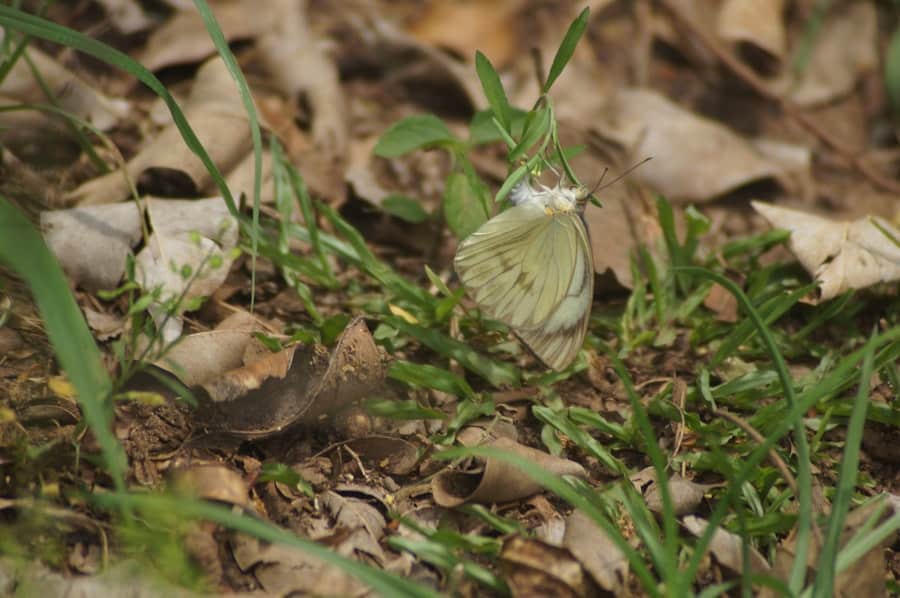
As human populations continue to grow and encroach upon natural habitats, innovative approaches to insect control have become increasingly important. You may be intrigued by how researchers are developing environmentally friendly methods to manage pest populations without resorting to harmful chemicals. Techniques such as biological control involve introducing natural predators or parasites to target pest species, creating a more balanced ecosystem.
Another innovative approach is the use of genetic engineering to create pest-resistant crops or genetically modified insects that can reduce pest populations through sterile insect techniques. These methods aim to minimize environmental impact while effectively managing pest issues. As you explore these advancements, you will gain insight into how science is paving the way for sustainable pest management solutions that align with ecological principles.
The Importance of Integrated Pest Management
Integrated Pest Management (IPM) is a holistic approach that combines various strategies to manage pest populations effectively while minimizing harm to beneficial organisms and the environment. As you learn about IPM, you will discover its emphasis on understanding pest life cycles and behaviors to inform management decisions. This approach encourages monitoring pest populations and using a combination of cultural, biological, and chemical control methods tailored to specific situations.
By adopting IPM practices, you can contribute to sustainable agriculture and environmental conservation efforts. This method not only reduces reliance on chemical pesticides but also promotes biodiversity by protecting non-target species. As you engage with IPM principles, you will come to appreciate its role in fostering healthier ecosystems while addressing pest challenges in a responsible manner.
Ethical Considerations in Insect Control and Management
As you navigate the complexities of insect control and management, ethical considerations come into play. The use of pesticides and other control methods raises questions about their impact on non-target species and ecosystems as a whole. You may find yourself contemplating the balance between protecting crops or human health and preserving biodiversity.
Moreover, ethical concerns extend beyond environmental impacts; they also encompass animal welfare considerations. As researchers explore new methods for pest control, it is essential to consider the welfare of insects themselves. You might reflect on how society values different species and how this influences our approach to management practices.
By engaging with these ethical dilemmas, you can contribute to a more thoughtful discourse on insect control that prioritizes ecological integrity alongside human needs. In conclusion, your exploration of insect behavior reveals a world rich with complexity and intrigue. From their sophisticated communication systems using pheromones to their intricate social structures and navigational abilities, insects offer valuable insights into nature’s adaptability and resilience.
As you consider innovative approaches to insect control and the importance of ethical considerations in management practices, you become part of a broader conversation about our relationship with these remarkable creatures and our responsibility toward maintaining ecological balance.
If you’re interested in learning more about pest control services, you may want to check out this article on the best pest control service in Irving, Texas. Understanding how insects behave and how to control them is crucial for effective pest management, and this article provides valuable insights into the topic. Whether you’re dealing with ants, cockroaches, or other pests, knowing the best pest control service in your area can help you keep your home bug-free.
FAQs
What are some common insect behaviors that people may not be aware of?
Insects exhibit a wide range of behaviors, including communication through pheromones, complex social structures, and various methods of obtaining food and shelter.
How do insects impact human life and the environment?
Insects play a crucial role in ecosystems as pollinators, decomposers, and as a food source for other animals. However, some insects can also be pests, causing damage to crops, spreading diseases, and invading homes.
What are some effective methods for controlling insect populations?
Integrated pest management (IPM) techniques, such as using biological controls, traps, and insecticides, can help manage insect populations while minimizing harm to the environment and non-target species.
What are some surprising facts about insect behavior?
Insects have been observed exhibiting complex behaviors such as tool use, cooperative hunting, and even farming fungi for food. Some insects also display remarkable navigational abilities and communication skills.
How can a better understanding of insect behavior lead to more effective pest control?
Studying insect behavior can provide insights into their life cycles, feeding habits, and vulnerabilities, which can inform the development of targeted and sustainable pest control strategies.