
Have you ever found yourself dealing with a sudden pest invasion? It’s certainly not a pleasant surprise!
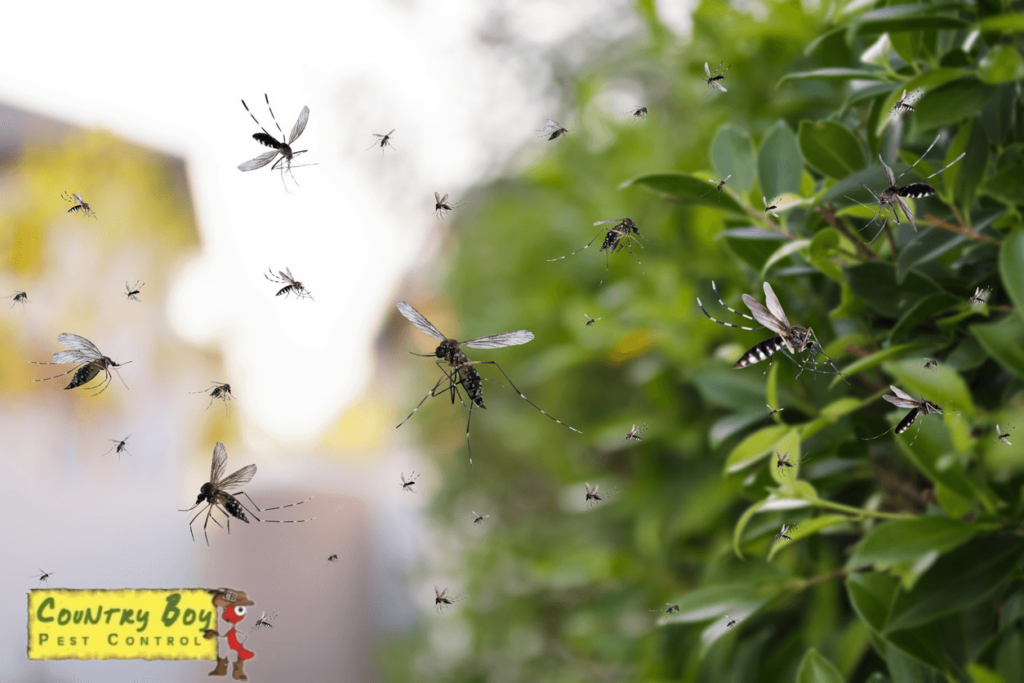
Understanding Pest Emergencies
Pest emergencies can happen at the most unexpected times, causing frustration and concern. Whether it’s ants marching across your kitchen floor or a swarm of bees in your yard, knowing how to react promptly is crucial.
What Counts as a Pest Emergency?
A pest emergency typically refers to a situation where pests invade your living space in large numbers or pose a direct threat to your health or property. Common emergencies include:
- Bites and Stings: Invasive insects like wasps and hornets can cause painful stings, particularly for those allergic.
- Infestations: The sudden appearance of rats, mice, or termites can lead to significant damage and health hazards.
Recognizing a pest emergency early helps you take the right steps to manage the issue effectively.
Immediate Actions to Take
When facing a pest emergency, your initial actions can make a world of difference. Here are some helpful tips for immediate response.
Stay Calm
It’s easy to panic when confronted with pests, but staying calm allows you to think clearly. Take a moment to assess the situation and gather your thoughts. A clear mind will lead you to effective action.
Identify the Pest
Try to identify the pest you’re dealing with before taking any drastic measures. Each pest requires a unique approach to control. For example:
| Pest Type | Identification Tips | Health Risks |
|---|---|---|
| Ants | Small, segmented bodies; often in lines | Allergies; contaminating food |
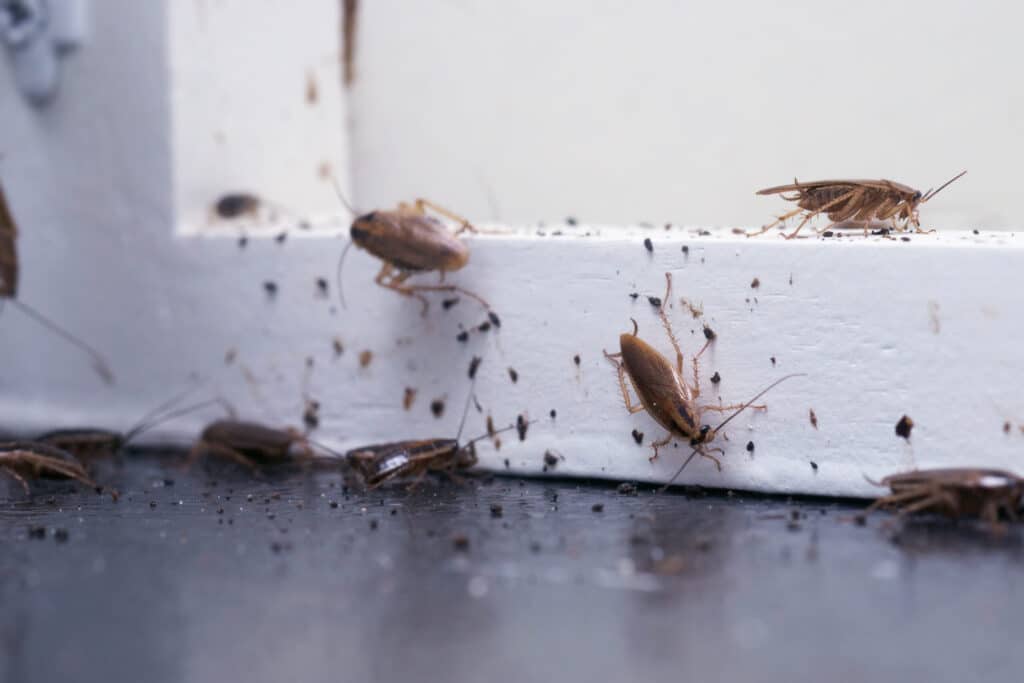
| Cockroaches | Oval shape; brown color; nocturnal | Asthma; disease spread |
| Wasps & Hornets | Yellow and black stripes; nests in trees or eaves | Painful stings; allergies |
| Mice & Rats | Small, furry bodies; droppings | Hantavirus; food contamination |
Knowing what you’re up against can significantly influence your next steps.
Assess the Damage and Risks
After identifying the pest, assess the extent of the invasion and any potential risks. Consider the following:
- Extent of Infestation: Is it a few pests, or are they everywhere?
- Location: Are they inside your home, or just in the yard?
- Health Risks: Do they pose a threat to you or your pets?
Securing Your Home
Start by ensuring your living space is secure. Close windows and doors to prevent pests from entering further. Seal any visible entry points, such as cracks or gaps in walls. This will help contain the issue while you plan your next moves.
Temporary Solutions
While permanent solutions are essential, there are temporary measures you can implement immediately.
DIY Traps
You can create simple traps with household items to manage small invasions. For example:
- Ant Traps: Mix sugar and baking soda in a shallow dish. The sugar attracts, while the baking soda eliminates them.
- Cockroach Traps: Place a mixture of water, soap, and sugar in a shallow dish to lure and trap cockroaches.
Natural Deterrents
Consider using natural deterrents that can help keep pests at bay until you can seek professional help. Some effective natural remedies include:
| Pest Type | Natural Remedy |
|---|---|
| Ants | Vinegar solution |
| Cockroaches | Boric acid mixed with sugar |
| Wasps | Peppermint oil in water |
| Mice | Peppermint oil on cotton balls placed strategically |
These methods may not eliminate the pests entirely but can help control their numbers temporarily.
When to Call Professionals
While DIY methods are beneficial, you will reach a point when it’s best to call in the experts.
Signs That Require Professional Intervention
If you notice any of the following signs, it may be time to enlist professional pest control services:
- Widespread Infestation: If the situation has escalated beyond your control.
- Property Damage: Persistent signs of structural damage or droppings.
- Ongoing Health Concerns: If you or anyone in your household suffers from allergies or asthma related to the pest problem.
Choosing the Right Pest Control Service
When selecting a pest control professional, consider the following tips:
- Research Their Reputation: Look for reviews or ask for recommendations from friends.
- Check Certifications: Ensure they are licensed and certified for your area.
- Inquire About Methods: Ask about their pest control methods and whether they use environmentally friendly options.
Finding a reliable service ensures that the job gets done effectively and safely.
Preventive Measures to Avoid Future Emergencies
Taking steps to prevent pest emergencies can save you a lot of trouble in the long run. Here are some proactive tips.
Maintain Cleanliness
Keeping a clean environment is key to preventing pest invasions. Here are some habits to adopt:
- Regular Cleaning: Vacuum regularly, wipe surfaces, and keep floors clear.
- Proper Food Storage: Store food in airtight containers and promptly clean up spills and crumbs.
- Garbage Management: Ensure bins are sealed tightly and emptied frequently.
Seal Entry Points
You can significantly reduce the chances of a pest emergency by sealing potential entryways. Here’s how to do it:
- Inspect Doors and Windows: Look for gaps and use weather stripping to seal.
- Repair Cracks and Holes: Use caulk to fill any cracks in walls or foundations.
- Consider Screens: Install fine mesh screens in windows and doors to keep pests out.
Landscaping and Outdoor Maintenance
Your yard can also play a significant role in pest management. Here are some outdoor practices to adopt:
- Trim Shrubs and Trees: Keep branches away from your home to deter pests.
- Maintain Gutters: Clean and maintain gutters to avoid water build-up, which can attract pests.
- Remove Standing Water: Eliminate areas where water collects to discourage mosquitoes and other pests.
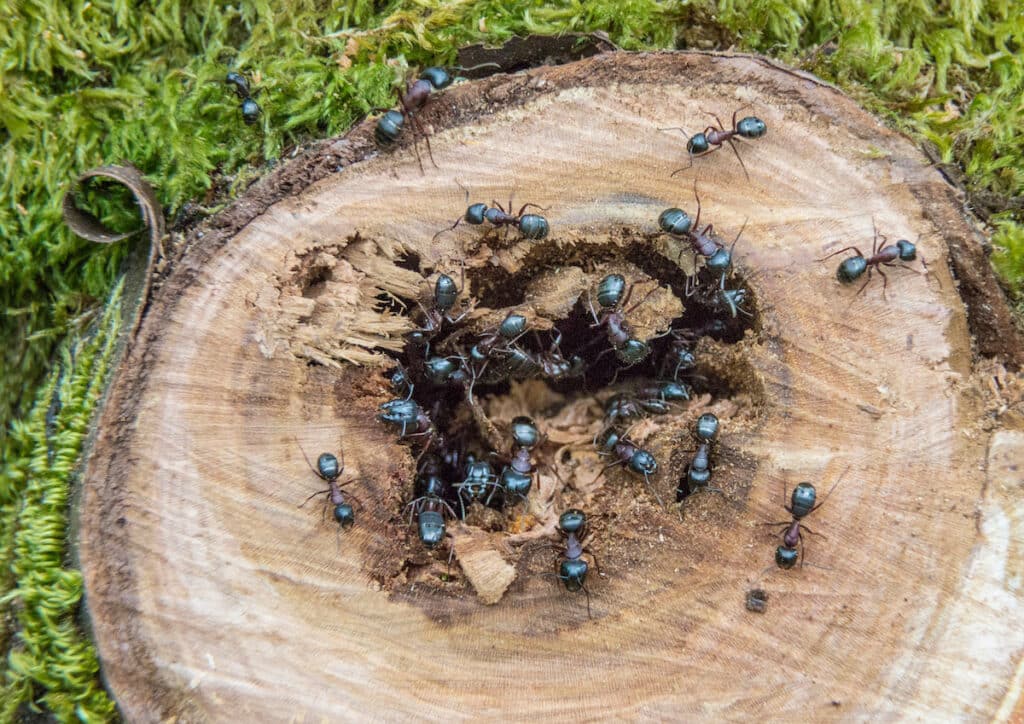
Understanding Pest Behavior and Lifecycle
Having a basic understanding of pest behavior and lifecycle can empower your prevention strategies significantly.
Common Pest Types and Their Lifecycles
Various pests have specific life cycles that can influence their presence in your home. Here are some common ones:
| Pest Type | Lifecycle Stages |
|---|---|
| Ants | Egg > Larva > Pupa > Adult |
| Cockroaches | Egg > Nymph > Adult |
| Wasps | Egg > Larva > Pupa > Adult |
| Mice | Gestation (21 days); reaches maturity in 6 weeks |
By knowing the lifecycle, you can better understand the timing of invasions and plan accordingly.
Seasonal Pests
Specific insects and rodents are more common during certain seasons. Understanding these patterns can help you plan preventative actions:
- Spring: Ants and termites become active as temperatures rise.
- Summer: Wasps and hornets are prevalent during warmer months.
- Fall: Mice tend to seek shelter as temperatures drop.
- Winter: Cockroaches tend to invade homes seeking warmth.
Being aware allows you to stay prepared for potential challenges across the seasons.
Emergency Pest Control Kits
One way to enhance your readiness for a pest emergency is to create an emergency pest control kit. Here’s what to include:
Essential Items for Your Kit
| Item | Purpose |
|---|---|
| Sticky traps | For catching cockroaches, ants, and other crawling pests |
| Basic insect spray | Quick solution for airborne insects |
| Boric acid | Effective for cockroaches and ants |
| Dust mask | Protects from allergens while you clean |
| Gloves | To keep your hands safe during clean-up |
| Flashlight | Useful for inspecting dark areas |
Having these supplies on hand can help you act quickly and effectively during a pest emergency.
Conclusion
Dealing with a pest emergency can be daunting, but being prepared makes all the difference. By recognizing the problem, taking immediate action, and investing in preventative measures, you can navigate these challenges more effectively. Building a solid plan and understanding pest behavior will keep your home safe and serene.
In the end, staying informed is your best defense against unwanted invasions. Don’t hesitate to reach out for help when your efforts fall short—there’s always a solution to even the most overwhelming pest challenges!