
As you step into your garden, the vibrant colors and fragrant blooms may bring you joy, but lurking among the foliage could be small animal pests that threaten your hard work. Identifying these pests is the first step in protecting your garden. Common culprits include rabbits, squirrels, raccoons, and even deer, each of which can wreak havoc on your plants.
You might notice chewed leaves, uprooted seedlings, or even entire plants missing. Understanding the signs of these pests is crucial; for instance, rabbit droppings or gnaw marks on stems can indicate their presence. Moreover, recognizing the specific habits of these small animals can help you devise effective strategies for deterrence.
For example, rabbits tend to feed during dawn and dusk, while raccoons are more active at night. By observing your garden at different times, you can pinpoint when these pests are most likely to invade. This knowledge not only helps you identify the threats but also allows you to take proactive measures to safeguard your plants.
The more informed you are about the types of pests that may invade your garden, the better equipped you will be to protect your precious plants.
Key Takeaways
- Identifying small animal pests in your garden is crucial for effective pest control.
- Using plants and scents as natural deterrents can help keep pests away from your garden.
- Building fences and netting are effective physical barriers to protect your garden from small animal pests.
- Safely removing pests from your garden can be achieved through humane traps and repellents.
- Companion planting with beneficial plants can help ward off small animal pests in your garden.
Natural Deterrents: Using Plants and Scents to Keep Pests Away
Repellent Plants
Certain plants possess scents or properties that are unappealing to these critters. For instance, marigolds are known for their ability to repel rabbits and deer due to their strong scent. By strategically planting these flowers around the perimeter of your garden, you create a natural barrier that can deter unwanted visitors.
Herbs as Natural Repellents
In addition to marigolds, consider incorporating herbs like mint or lavender into your garden design. The strong fragrances of these herbs can act as a natural repellent for various small animals. You might find that planting a border of mint around your vegetable patch not only enhances its aesthetic appeal but also keeps pests away.
Essential Oils as a Scent Barrier
Furthermore, using essential oils derived from these plants can be an effective way to create a scent barrier. Spraying diluted essential oils around your garden can provide an additional layer of protection against small animal pests.
Physical Barriers: Building Fences and Netting to Protect Your Garden

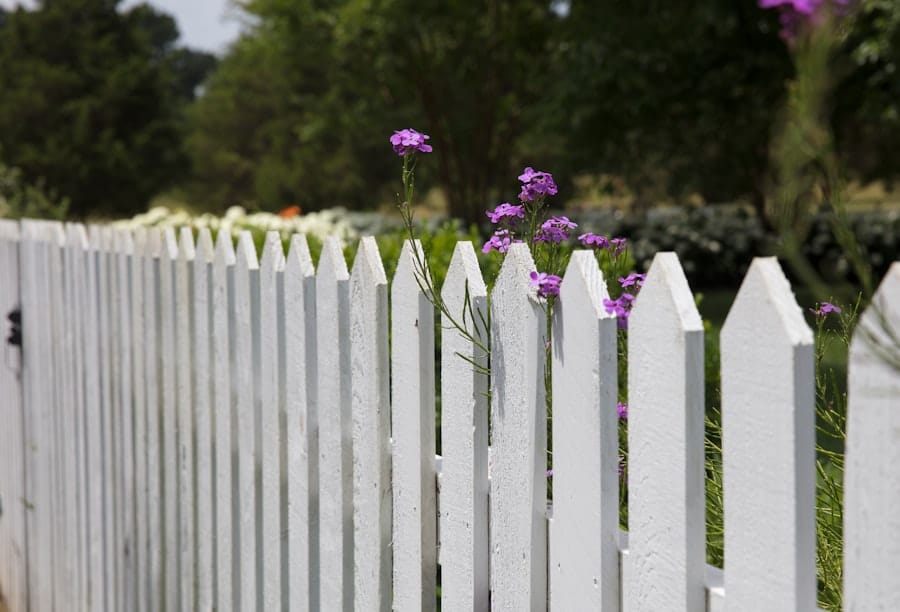
While natural deterrents can be effective, sometimes a more robust approach is necessary to protect your garden from small animal pests. Building physical barriers such as fences and netting can provide a formidable defense against these intruders. When constructing a fence, consider using materials that are sturdy enough to withstand the efforts of determined animals.
A fence that is at least three feet high and buried a foot underground can deter rabbits and other burrowing pests. Netting is another excellent option for protecting delicate plants from birds and smaller animals. You can drape netting over your crops or use it to cover specific areas of your garden where pests are particularly problematic.
This method not only keeps animals out but also allows sunlight and rain to nourish your plants. As you implement these physical barriers, remember to regularly inspect them for any signs of wear or damage, ensuring that your garden remains secure against potential threats.
Humane Traps and Repellents: Safely Removing Pests from Your Garden
In some cases, despite your best efforts at prevention, small animal pests may still find their way into your garden. When this happens, humane traps can be an effective solution for safely removing them without causing harm. These traps allow you to capture the animals alive and relocate them to a more suitable environment away from your garden.
When using traps, it’s essential to check them frequently to ensure that any captured animals do not suffer from stress or dehydration. In addition to traps, consider using natural repellents that can discourage pests from returning. Many commercial repellents are available, but you can also create your own using ingredients like vinegar or cayenne pepper mixed with water.
Spraying this mixture around the perimeter of your garden can create an unpleasant environment for small animals while being safe for your plants and the ecosystem. By combining humane traps with natural repellents, you can effectively manage pest populations while maintaining a commitment to ethical treatment of wildlife.
Companion Planting: Using Beneficial Plants to Ward Off Pests
Companion planting is a time-honored technique that not only enhances the health of your garden but also helps ward off small animal pests. By strategically planting certain species together, you can create a harmonious ecosystem that benefits both plants and their caretakers. For example, planting garlic near roses can deter aphids and other pests while promoting healthy growth in both plants.
Additionally, some plants naturally attract beneficial insects that prey on common garden pests. For instance, planting dill or fennel can attract ladybugs and lacewings, which feed on aphids and caterpillars. By fostering a diverse plant community in your garden, you create an environment where beneficial insects thrive while keeping harmful pests at bay.
As you explore companion planting options, consider the unique needs of each plant and how they can work together to create a thriving ecosystem.
Creating a Welcoming Environment for Predatory Insects and Birds
To further enhance your pest control efforts, consider creating a welcoming environment for predatory insects and birds that naturally keep small animal populations in check. Birds such as blue jays and wrens are excellent allies in the fight against garden pests; they feed on insects and small animals that may threaten your plants. To attract these feathered friends, provide nesting boxes and bird feeders filled with seeds.
In addition to birds, beneficial insects like ladybugs and predatory wasps play a crucial role in maintaining balance in your garden ecosystem. You can encourage their presence by planting flowers such as yarrow or cosmos, which provide nectar and pollen for these helpful insects. By fostering a diverse habitat that supports both birds and beneficial insects, you create a natural pest control system that reduces the need for chemical interventions while promoting biodiversity in your garden.
Regular Maintenance: Keeping Your Garden Clean and Tidy to Deter Pests
A well-maintained garden is less likely to attract small animal pests than one that is overgrown or cluttered. Regular maintenance is essential for deterring unwanted visitors and ensuring the health of your plants. Start by routinely clearing away debris such as fallen leaves or dead plants that may provide shelter for pests.
Keeping pathways clear and ensuring proper drainage will also help prevent standing water, which can attract various critters. Additionally, regularly inspecting your plants for signs of damage or pest activity allows you to address issues before they escalate. Pruning overgrown branches and removing any diseased or infested plants will help maintain a healthy environment for your remaining crops.
By committing to regular maintenance, you not only enhance the beauty of your garden but also create an inhospitable environment for small animal pests.
Seeking Professional Help: When to Call in the Experts for Small Animal Pest Control
Despite your best efforts at prevention and management, there may come a time when small animal pests overwhelm your garden beyond what you can handle alone. In such cases, seeking professional help may be necessary to restore balance to your outdoor space. Pest control experts possess the knowledge and tools required to assess the situation accurately and implement effective strategies tailored to your specific needs.
When considering professional assistance, look for companies that prioritize humane methods of pest control and have experience dealing with small animal issues in gardens. They can provide valuable insights into long-term solutions that align with your gardening philosophy while ensuring the safety of both your plants and local wildlife. By enlisting the help of professionals when needed, you can reclaim your garden from unwanted pests while maintaining its beauty and integrity.
In conclusion, protecting your garden from small animal pests requires a multifaceted approach that combines knowledge, natural deterrents, physical barriers, humane traps, companion planting, and regular maintenance. By understanding the threats posed by these critters and implementing effective strategies, you can create a thriving garden that flourishes without succumbing to pest invasions. Remember that gardening is a journey; with patience and persistence, you can cultivate an environment where both plants and wildlife coexist harmoniously.
If you’re looking for the best pest control service in Tampa, Florida, look no further than Thrift Pest Control. Their team of experts can help you protect your paradise by keeping small animal pests out of your garden. In fact, their services are so effective that they were recently featured in an article debunking common pest control myths. To learn more about what really works when it comes to keeping your garden pest-free, check out this article.
FAQs
What are small animal pests in the garden?
Small animal pests in the garden can include rodents such as mice and rats, as well as insects like aphids, caterpillars, and snails. These pests can cause damage to plants and crops, and may also carry diseases.
Why is it important to control small animal pests in the garden?
Controlling small animal pests in the garden is important to protect plants and crops from damage. Pests can also spread diseases and reduce the overall health and productivity of the garden.
What are some methods for small animal pest control in the garden?
Some methods for small animal pest control in the garden include using physical barriers such as fences and netting, employing natural predators like ladybugs and birds, and using organic or chemical pesticides as a last resort.
How can I prevent small animal pests in my garden?
Preventing small animal pests in the garden can be done by practicing good garden hygiene, such as removing debris and weeds, rotating crops, and using companion planting to deter pests. Additionally, maintaining a healthy soil and plant environment can help prevent pest infestations.
Are there any eco-friendly methods for small animal pest control in the garden?
Yes, there are several eco-friendly methods for small animal pest control in the garden, including using natural predators, introducing beneficial insects, and using organic pesticides derived from natural sources such as neem oil or diatomaceous earth. These methods are effective in controlling pests while minimizing harm to the environment.