
Mosquitoes are more than just a nuisance; they are vectors for various diseases that can pose serious health risks to humans and animals alike. You may find yourself swatting them away during a summer evening barbecue or feeling their itchy bites after a day spent outdoors. However, the real concern lies in the diseases they carry, such as West Nile virus, Zika virus, and malaria.
Understanding the mosquito problem is crucial for protecting yourself and your loved ones. These tiny insects thrive in warm, humid environments, making them particularly active during the warmer months. Their ability to reproduce rapidly means that a small population can quickly escalate into a significant problem if not managed effectively.
Moreover, mosquitoes are attracted to carbon dioxide, body heat, and certain scents, which makes you an easy target when you’re outside. The female mosquito requires blood to develop her eggs, which is why she bites humans and animals. This biological necessity not only makes them a nuisance but also highlights the importance of taking preventive measures.
By understanding their behavior and breeding patterns, you can better equip yourself to combat these pests and reduce their impact on your outdoor experiences.
Key Takeaways
- Mosquitoes are not only annoying but can also transmit diseases, making it important to understand the mosquito problem and how to address it.
- Identifying and eliminating mosquito breeding grounds such as standing water is crucial in controlling mosquito populations.
- Natural repellents and traps, such as citronella candles and mosquito traps, can help reduce mosquito presence in outdoor areas.
- Creating a mosquito-free environment involves using screens on windows, installing mosquito nets, and using outdoor fans to deter mosquitoes.
- Wearing protective clothing such as long sleeves and pants, as well as using insect repellent, can help prevent mosquito bites during outdoor activities.
- Professional pest control options, such as mosquito fogging and larvicide treatments, can be effective in reducing mosquito populations.
- Tips for enjoying outdoor activities include avoiding peak mosquito hours, using mosquito repellent, and staying in well-lit areas.
- Maintaining a mosquito-free home involves regular maintenance of screens, cleaning gutters, and using mosquito-repelling plants in the garden.
Identifying Mosquito Breeding Grounds
Common Breeding Sites
Items like flower pots, bird baths, clogged gutters, and even discarded tires can collect rainwater and become ideal habitats for mosquito larvae. By regularly inspecting your surroundings for these potential breeding sites, you can significantly reduce the mosquito population in your area.
Natural Breeding Grounds
In addition to checking your property, it’s essential to be aware of nearby natural bodies of water. Ponds, marshes, and slow-moving streams can also harbor mosquito populations. If you live near such areas, consider implementing additional measures to protect yourself from bites.
Taking Action
By being proactive in identifying and eliminating breeding grounds, you can take significant steps toward reducing the mosquito population around you. This might include using repellents or installing screens on windows and doors to keep mosquitoes out of your home.
Natural Repellents and Traps

When it comes to repelling mosquitoes, you have several natural options at your disposal. Essential oils like citronella, eucalyptus, and lavender are known for their mosquito-repelling properties. You can create your own natural repellent by mixing these oils with a carrier oil and applying it to your skin before heading outdoors.
Not only do these natural repellents help keep mosquitoes at bay, but they also provide a pleasant aroma that can enhance your outdoor experience. In addition to repellents, consider using traps to capture mosquitoes before they have a chance to bite you. There are various types of traps available, including those that use light or carbon dioxide to attract mosquitoes.
You can also create DIY traps using simple household items like sugar water or vinegar mixed with dish soap. These traps can be strategically placed around your yard to help reduce the mosquito population effectively. By combining natural repellents with traps, you can create a multi-faceted approach to keeping mosquitoes away.
Creating a Mosquito-free Environment
Creating a mosquito-free environment requires a combination of strategies that address both prevention and control. Start by eliminating standing water around your property, as this is where mosquitoes breed. Regularly check for any containers that may collect rainwater and ensure that gutters are clear of debris.
Additionally, consider landscaping options that discourage mosquito activity, such as planting mosquito-repelling plants like marigolds or lemongrass. Another effective strategy is to introduce natural predators into your environment. Birds, bats, and certain fish species feed on mosquito larvae and adults, helping to keep their populations in check.
You might consider installing birdhouses or bat boxes in your yard to attract these beneficial creatures. By fostering an ecosystem that supports natural predators, you can create a more balanced environment that minimizes mosquito activity while enhancing biodiversity.
Protective Clothing and Gear
When spending time outdoors, wearing protective clothing can significantly reduce your risk of mosquito bites. Opt for long-sleeved shirts and long pants made from lightweight materials that cover as much skin as possible. Light-colored clothing is also advisable since mosquitoes are attracted to darker colors.
You might even consider treating your clothing with permethrin, an insect repellent designed for fabrics that provides an additional layer of protection. In addition to clothing, there are various gear options available that can help keep mosquitoes at bay. Mosquito nets are an excellent investment if you plan on camping or spending extended periods outdoors.
These nets create a barrier between you and the insects while allowing for airflow and visibility. Additionally, consider using insect-repellent wristbands or patches that release repellent over time for added protection during outdoor activities.
Professional Pest Control Options
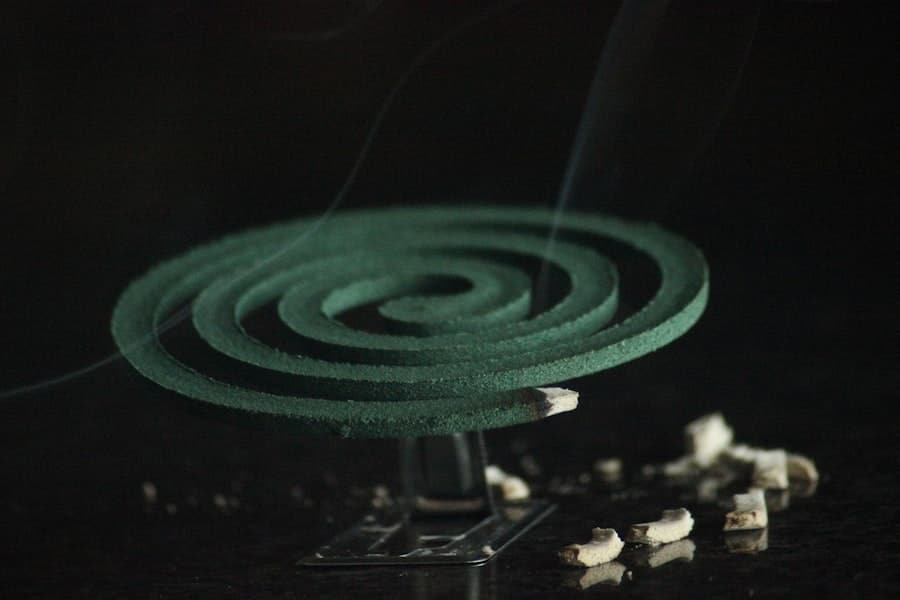
Effective Solutions for Mosquito Infestations
Pest control experts possess specialized treatments and equipment to significantly reduce mosquito numbers in your area. They conduct thorough property inspections to identify breeding grounds and recommend targeted treatments tailored to your specific needs.
Environmentally Friendly Pest Control Methods
Professional pest control services often employ environmentally friendly methods that harm beneficial insects minimally while effectively targeting mosquitoes. This approach not only reduces the immediate mosquito population but also contributes to long-term management strategies that prevent future infestations.
Achieving a Mosquito-Free Environment
By enlisting the help of professionals, you can enjoy peace of mind knowing that you are taking comprehensive steps toward creating a mosquito-free environment.
Tips for Enjoying Outdoor Activities
Even with the best prevention strategies in place, it’s essential to take additional precautions when enjoying outdoor activities during peak mosquito season. Plan your outings during times when mosquitoes are less active, such as early morning or late afternoon. If you’re hosting an outdoor gathering, consider setting up fans around the area; mosquitoes are weak fliers and will be deterred by the breeze.
Additionally, be mindful of the scents you wear when heading outdoors. Fragrances from perfumes or scented lotions can attract mosquitoes, so opt for unscented products whenever possible. If you’re planning a picnic or camping trip, choose locations away from standing water and dense vegetation where mosquitoes are likely to thrive.
By being strategic about your outdoor activities, you can minimize your exposure to these pesky insects while still enjoying nature.
Maintaining a Mosquito-free Home
To maintain a mosquito-free home, it’s crucial to adopt ongoing preventive measures even after you’ve successfully reduced their population outside. Regularly inspect your home for any potential entry points where mosquitoes could gain access, such as gaps in windows or doors. Installing screens on all windows and doors is an effective way to keep these pests out while allowing fresh air in.
Additionally, consider using indoor repellents or diffusers with essential oils known for their mosquito-repelling properties. Keeping indoor plants like basil or mint can also help deter mosquitoes while adding a touch of greenery to your living space. By staying vigilant and proactive in maintaining a mosquito-free environment both indoors and outdoors, you can enjoy a more comfortable living space free from the annoyance of these biting insects.
In conclusion, understanding the mosquito problem is the first step toward effective management and prevention. By identifying breeding grounds, utilizing natural repellents and traps, creating a conducive environment for natural predators, wearing protective clothing, considering professional pest control options, and adopting smart outdoor practices, you can significantly reduce your risk of mosquito bites and enjoy your time outdoors more fully. With consistent effort and awareness, you can maintain a mosquito-free home and make the most of every outdoor experience without the constant worry of these pesky pests.
If you’re looking to keep your outdoor living space mosquito-free, you may also want to consider investing in professional pest control services. Thrift Pest Control offers the best pest control service in Nashville, Davidson, Tennessee, ensuring that your home and yard are protected from a variety of pests. Ignoring pest control in your home can lead to costly damages, as discussed in their article “Pestonomics: The Cost of Ignoring Pest Control in Your Home.” Additionally, pet owners can benefit from pest control services to keep their furry friends and homes safe, as highlighted in their article “Pest Control for Pet Owners: Keeping Furry Friends and Homes Safe.” By taking proactive measures to control pests, you can enjoy a comfortable and pest-free outdoor living experience.
FAQs
What are some effective ways to prevent mosquito bites?
Some effective ways to prevent mosquito bites include using insect repellent, wearing long sleeves and pants, using mosquito nets, and eliminating standing water around your home.
What are some natural mosquito repellents?
Some natural mosquito repellents include citronella, lemon eucalyptus oil, lavender, and peppermint. These can be used in the form of essential oils, candles, or lotions.
How can I protect my outdoor living space from mosquitoes?
To protect your outdoor living space from mosquitoes, you can use mosquito-repelling plants, install mosquito traps, and use outdoor fans to create airflow that deters mosquitoes.
What are some common misconceptions about preventing mosquito bites?
Some common misconceptions about preventing mosquito bites include the idea that eating certain foods or taking vitamin supplements can repel mosquitoes, and that wearing light-colored clothing can prevent mosquito bites.
What are some potential health risks associated with mosquito bites?
Mosquito bites can potentially transmit diseases such as West Nile virus, Zika virus, dengue fever, and malaria. It’s important to take measures to prevent mosquito bites to reduce the risk of these diseases.