
Tips About Pest Control For Pet Owners: Keeping Furry Friends And Homes Safe
Have you ever wondered how to protect your furry friends from pests without compromising their health? As a pet owner, this is a common concern. Balancing the need for pest control with the safety of your pets can seem daunting, but with the correct information, you can create a comfortable and pest-free environment for you and your beloved animals.
Understanding the Pest Control Landscape
Pest control is an essential part of maintaining a healthy home. While many people think of it as dealing with insects or rodents, it involves a range of unwanted organisms that can detrimentally affect your living space. When you have pets, the approach to pest control needs an extra layer of consideration to ensure safety.
Common Pests in Pet-Friendly Homes
Different pests can invade your home, some of which pose more risks to pets than others. Recognizing these pests makes it easier to develop a plan to keep your home and pets safe.
Table 1: Common Pests and Their Risks to Pets
| Pest | Description | Risks to Pets |
|---|---|---|
| Fleas | Small, jumping insects that feed on animal blood. | It can cause skin irritations, allergies, and transmit diseases. |
| Ticks | Tiny arachnids that latch onto skin to feed. | Can transmit Lyme disease and other infections. |
| Ants | Small insects that often invade in search of food. | It is generally non-toxic, but some types can bite. |
| Cockroaches | Common household pests that thrive in unsanitary conditions. | It can spread bacteria and allergens. |
| Rodents | Mice and rats invade homes for food and shelter. | It can chew through wires, spread disease, and cause damage. |
Being informed about these common pests helps you take proactive measures in your pest control strategies.
Safe Pest Control Methods for Pet Owners
When it comes to pest control, you must ensure that the methods you use are safe for your pets and your family. Here is a breakdown of various approaches you might consider.
Natural Pest Control Solutions
Natural pest control solutions are a popular choice for many pet owners because they are effective while minimizing health risks.
- Diatomaceous Earth: This fine powder from crushed algae can help eliminate pests like fleas. It’s safe for pets but can harm beneficial insects, so use it selectively.
- Essential Oils: Certain essential oils, such as lavender and peppermint, can deter pests. Just be cautious—some oils can be toxic to pets, so always safe research.
- Vinegar and Water Spray: A simple solution of vinegar and water can repel ants and other insects without adverse effects on your pets.
- Neem Oil: Derived from the seeds of the neem tree, this oil is effective in repelling various pests and is generally safe for pets when used correctly.
- Cedar Chips: Placing cedar chips in pet bedding areas can help repel fleas naturally and give a pleasant scent to your home.
Professional Pest Control Services
If your pest problem extends beyond the capabilities of natural solutions, professional services can provide effective treatments.
- Pet-Friendly Treatments: Look for pest control companies that prioritize pet safety. Many now offer pet-safe options that eliminate pests without harming your furry friends.
- Integrated Pest Management (IPM): This eco-friendly approach focuses on long-term prevention through biological control, habitat manipulation, and monitoring rather than spraying pesticides.
- Chemical Treatments: If a pest control professional decides chemical treatments are necessary, they should recommend safe options for pets and children. Please always ask questions beforehand to ensure your pets’ safety.
Regular Maintenance and Monitoring
Keeping a close eye on your home and pets can help prevent pest problems before they start.
- Regular Check-Ins with Pets: Check your pets frequently for signs of fleas, ticks, or other pests. Bathing pets regularly can also help keep unwanted visitors at bay.
- Home Inspections: Periodically inspect your home for potential entry points for pests. Seal gaps and cracks in walls, windows, and doors to prevent infestations.
- Clean Living Spaces: Maintaining cleanliness is critical to pest prevention. Vacuum and clean your living areas regularly, including pet bedding and toys.
- Outdoor Maintenance: Keep your yard clean and trimmed. Remove debris and standing water where pests can thrive, and consider building a fence to deter wildlife.
Identifying Pest Infestations Early
Recognizing the early signs of a pest infestation can help you act quickly and effectively, minimizing harm to your pets.
Signs of Pest Problems
Different pests exhibit different signs of invasion. Here’s how you can spot them.
- Fleas: Look for flea dirt—tiny black specks—on your pet’s fur or skin. Excessive scratching or biting at the skin can also indicate a flea problem.
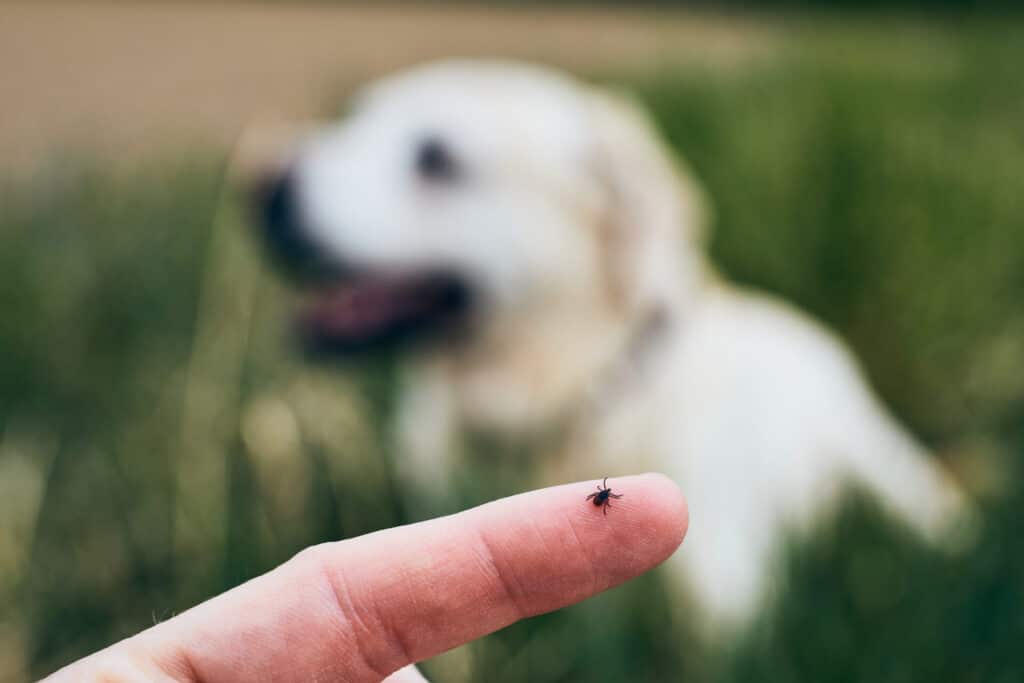
- Ticks: Ticks are easily recognizable on pets. They may appear as small, dark lumps, often clinging to the skin. Check regularly after walks, especially in wooded areas.
- Rodents: Indications of rodent presence include droppings, gnawed items, and nests made from shredded materials.
- Cockroaches: Look for egg cases, droppings, and a musty odor. As they are nocturnal, you may also notice their presence at nightpet-friendly.
Acting on Signs
If you identify any signs of pests, here are the steps to take right away:
- Isolate Affected Areas: Keep pets away from areas where pests are present to prevent exposure.
- Clean Immediately: Start with a thorough cleaning to remove any food sources or breeding grounds for the pests.
- Consult Professionals: If the issue seems beyond your control, don’t hesitate to call in professionals for help.
Managing Specific Pest Situations
Sometimes, specific pest situations require targeted intervention strategies. Below are guidelines for managing the most common types of infestations associated with pets.
Dealing with Fleas
Flea infestations can be overwhelming. Here’s how you can handle them effectively:
- Treat Your Pets: Use veterinarian-approved flea treatments on your pets. These can be topical, oral, or collars designed to kill fleas.
- Clean Your Home: Thoroughly vacuum all carpets, upholstery, and pet bedding. Empty the vacuum outside to prevent re-infestation.
- Use Flea Traps: Consider using flea traps to catch adult fleas. These can help lower populations in your home while you treat the source.
- Consistency is Key: Repeat weekly treatments and cleanings until you no longer see fleas. Preventative measures are essential, especially during warmer months.
Managing Ticks
Ticks can pose serious health threats to pets. Here are the steps you can take:
- Regular Grooming: Check your pets daily for ticks after outdoor activities. Brush their fur regularly to remove any hidden ticks.
- Tick Preventative Medications: Consult your vet about appropriate tick-preventative treatments for your pets.
- Yard Management: Keep your lawn mowed and remove leaf litter and tall grass where ticks may hide.
Rodent Control
If you suspect rodents are invading your home, follow these steps:
- Seal Entry Points: Consult an expert to identify and block entry points to your home, as even the smallest gap can serve as an entryway.
- Bait Stations: Use pet-safe bait stations placed strategically if necessary. Ensure your pets can’t access them; some rodenticides can be dangerous.
- Monitor Areas: Regularly monitor potential problem areas and promptly clean up any food sources that might attract rodents.
Creating a Pest-Free Environment
Creating a pest-free living space where your pets feel safe and comfortable is a long-term endeavor. Prevention is the best strategy, so here are some best practices.
Regular Cleaning Routines
Keeping your home clean should be a priority. Here are some cleaning tips that can help:
- Frequent Vacuuming: Vacuuming carpets, tiles, and upholstery helps remove hidden pests and allergens, ensuring a clean environment.
- Wash Pet Bedding: Regularly wash your pets’ bedding and toys to eliminate accidental pests.
- Maintain Kitchen Hygiene: Wipe surfaces and avoid leaving food out. Storing pet food in sealed containers can prevent pest attraction.
- Use Natural Cleaners: Opt for pet-friendly cleaning solutions, as harsh chemicals can harm your pets or leave toxic residues.
Creating Safe Spaces for Pets
Establishing a secure environment for your pets is vital. Here’s how:
- Pet-Safe Zone: Create designated areas in your home where your pets can feel secure, free from pests, and treated for bugs.
- Regularly Inspect: Monitor your pets’ living spaces and toys for any signs of infestation.
- Consult Your Vet: Contact your veterinarian for advice on maintaining a safe pest control environment for your pets.
You are keeping your beloved pets safe while managing pests, which is achievable with the correct information, methods, and diligence. By staying informed about common pests, fostering natural pest control methods, and prioritizing your pets’ and home’s safety, you can create a comfortable environment for everyone. Remember, prevention is always more accessible and more effective than dealing with an infestation after it occurs. So, stay proactive, keep your home clean, and consult professionals when necessary. Your furry friends deserve a safe, happy home, and so do you!

===========
Content 10/10/G