
Termite inspections are a crucial aspect of home maintenance that often goes overlooked. You may not realize it, but termites can cause significant damage to your property, leading to costly repairs and a decrease in your home’s value. By scheduling regular inspections, you can catch any signs of infestation early, allowing for timely intervention.
This proactive approach not only protects your investment but also provides peace of mind, knowing that your home is safeguarded against these destructive pests. Moreover, understanding the importance of termite inspections extends beyond mere property protection. It also plays a vital role in maintaining the structural integrity of your home.
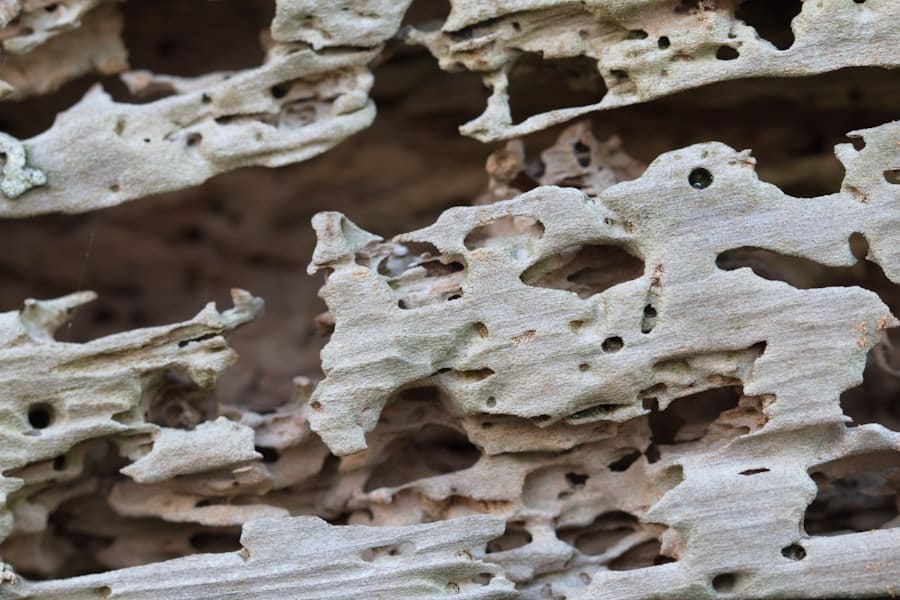
Termites can silently eat away at wooden structures, compromising their strength and stability. By having a professional inspect your property regularly, you ensure that any potential issues are identified and addressed before they escalate into major problems. This preventive measure is essential for homeowners who want to maintain a safe and secure living environment.
Key Takeaways
- Termite inspections are important for early detection and prevention of termite damage
- Factors to consider when scheduling termite inspections include the age and location of the property
- Signs that indicate the need for a termite inspection include hollow-sounding wood and discarded termite wings
- Termite inspection frequency varies by region, with some areas requiring more frequent inspections than others
- Regular termite inspections can help prevent costly damage and maintain the value of your property
Factors to Consider When Scheduling Termite Inspections
When it comes to scheduling termite inspections, several factors should be taken into account to ensure you are making the best decision for your property. First and foremost, consider the age of your home. Older homes, particularly those built with wood, are more susceptible to termite infestations.
If you live in an older structure, it may be wise to schedule inspections more frequently than you would for a newer home. Additionally, the materials used in construction can influence your risk level; homes built with untreated wood or those that have wood-to-soil contact are particularly vulnerable. Another important factor is your geographical location.
Certain regions are more prone to termite activity due to climate and environmental conditions. For instance, if you reside in a warm, humid area, you may need to schedule inspections more often than someone living in a cooler climate. Understanding the specific risks associated with your location can help you determine an appropriate inspection schedule that aligns with your home’s needs.
Signs That Indicate the Need for a Termite Inspection

Recognizing the signs of a potential termite infestation is essential for any homeowner. You should be vigilant for indicators such as mud tubes along your foundation or walls, which termites use as pathways to access food sources. Additionally, if you notice hollow-sounding wood or small holes in wooden structures, these could be signs of termite activity.
Discarded wings near windows or doors may also suggest that termites have established a colony nearby. Another critical sign to watch for is the presence of frass, which is termite droppings that resemble sawdust or small pellets. If you find any of these signs in or around your home, it’s imperative to schedule a termite inspection immediately.
Early detection can save you from extensive damage and costly repairs, making it essential to remain alert and proactive about potential infestations.
Frequency of Termite Inspections in Different Regions
The frequency of termite inspections can vary significantly based on regional factors. In areas known for high termite activity, such as the southern United States, it is advisable to schedule inspections at least once a year. These regions often experience warm temperatures and high humidity levels, creating an ideal environment for termites to thrive.
In contrast, homeowners in cooler climates may find that inspections every two years are sufficient, as the risk of infestation is generally lower. However, regardless of your location, it’s essential to remain aware of local conditions that may affect termite activity. For example, if there has been an unusually wet season or if you’ve noticed an increase in pest activity in your neighborhood, it may be wise to increase the frequency of your inspections.
Tailoring your inspection schedule to your specific region and environmental conditions will help ensure that your home remains protected from these destructive pests.
Benefits of Regular Termite Inspections
Regular termite inspections offer numerous benefits that extend beyond mere pest detection. One of the most significant advantages is the potential cost savings associated with early detection and treatment. By identifying a termite problem before it escalates, you can avoid extensive damage that could lead to costly repairs.
This proactive approach not only protects your wallet but also preserves the value of your property. In addition to financial benefits, regular inspections contribute to your overall peace of mind. Knowing that your home is being monitored for potential threats allows you to focus on other aspects of homeownership without the constant worry of hidden infestations.
Furthermore, many pest control companies offer warranties or guarantees for their services when you commit to regular inspections, providing an added layer of security for your investment.
How Often Should I Schedule Termite Inspections for New Construction?
If you’ve recently built a new home, you might wonder how often you should schedule termite inspections. While new constructions are generally less susceptible to infestations due to modern building practices and materials, they are not immune. It’s advisable to schedule an inspection within the first year after construction is completed.
This initial inspection can help identify any vulnerabilities that may have been overlooked during the building process. After the first year, consider scheduling inspections every two years for new constructions. However, if you live in an area known for high termite activity or if you notice any signs of potential infestations, it may be prudent to increase the frequency of inspections.
Staying vigilant even with new homes ensures that any issues are caught early and addressed promptly.
The Role of Professional Pest Control Services in Termite Inspections
Professional pest control services play a vital role in conducting thorough termite inspections. Trained technicians possess the expertise and tools necessary to identify signs of infestation that may go unnoticed by untrained eyes. They understand the behavior and habits of termites, allowing them to assess potential risk areas effectively.
By utilizing advanced technology such as moisture meters and infrared cameras, professionals can detect hidden infestations within walls or beneath floors. Moreover, professional pest control services provide valuable recommendations based on their findings during inspections. They can advise you on preventative measures and treatment options tailored to your specific situation.
This level of expertise not only enhances the effectiveness of inspections but also ensures that you receive comprehensive care for your property’s pest management needs.
DIY Termite Inspections: How Often Should I Check for Termites Myself?
While professional inspections are essential, conducting DIY termite checks can also be beneficial in maintaining awareness of potential infestations. You should consider performing these checks at least twice a year as part of your home maintenance routine. During these inspections, look for signs such as mud tubes, frass, or any visible damage to wooden structures.
In addition to visual checks, pay attention to changes in your home’s environment that could indicate a problem. For instance, if you notice increased moisture levels in certain areas or if there has been recent landscaping work that disturbs soil near your foundation, it may warrant a closer inspection. By staying proactive and vigilant with DIY checks, you can complement professional services and enhance your overall pest management strategy.
How Weather and Environmental Conditions Affect Termite Inspections
Weather and environmental conditions significantly influence termite activity and should be considered when scheduling inspections. Warm temperatures and high humidity create ideal conditions for termites to thrive; therefore, during spring and summer months, you may need to increase the frequency of inspections. Conversely, colder months typically see a decrease in termite activity, allowing for less frequent checks during this time.
Additionally, environmental changes such as heavy rainfall or flooding can impact termite behavior and increase their likelihood of seeking shelter within homes. If you experience extreme weather events in your area, it’s wise to schedule an inspection shortly thereafter to assess any potential risks associated with increased moisture levels or structural damage.
The Cost of Termite Inspections and How It Impacts Scheduling
The cost of termite inspections can vary based on several factors including location, property size, and the complexity of the inspection process itself. On average, homeowners can expect to pay between $50 and $300 for a professional inspection. While this cost may seem like an added expense, it pales in comparison to the potential financial burden associated with untreated termite damage.
Understanding the cost implications can help you prioritize scheduling inspections as part of your overall home maintenance budget. Many pest control companies offer package deals or discounts for regular inspections, making it more affordable to stay on top of this essential service. By viewing termite inspections as an investment rather than an expense, you can better appreciate their value in protecting your home.
Creating a Termite Inspection Schedule for Your Home or Property
Creating a termite inspection schedule tailored to your home’s specific needs is crucial for effective pest management. Start by assessing factors such as the age of your home, its construction materials, and your geographical location. Based on this assessment, determine how often you should schedule professional inspections—whether annually or biannually.
In addition to professional checks, incorporate DIY inspections into your routine at least twice a year. Mark these dates on your calendar alongside seasonal changes or significant weather events that may impact termite activity. By establishing a comprehensive inspection schedule that includes both professional services and personal vigilance, you can ensure that your home remains protected from potential infestations while maintaining its structural integrity over time.
In conclusion, understanding the importance of termite inspections and creating a tailored schedule based on various factors will help safeguard your property from these destructive pests. By remaining proactive and vigilant about potential infestations through both professional services and DIY checks, you can protect your investment while enjoying peace of mind in your home environment.
If you are wondering how often you should schedule termite inspections for your home or property, it is important to consider the potential risks and costs associated with termite damage. According to a related article on pest control tips for protecting your home and family, regular inspections are crucial in preventing costly damage from termites. By scheduling routine inspections with a reputable pest control service like Thrift Pest Control in Sioux Falls, South Dakota or Milwaukee, Wisconsin, you can catch termite infestations early and take proactive measures to protect your property.
FAQs
What are termite inspections?
Termite inspections are thorough examinations of a property to check for the presence of termites or any damage caused by them. These inspections are typically conducted by trained professionals who are knowledgeable about termite behavior and signs of infestation.
How often should I schedule termite inspections for my home or property?
It is recommended to schedule termite inspections for your home or property at least once a year. However, in areas with high termite activity, more frequent inspections, such as every six months, may be necessary to ensure early detection and prevention of infestations.
What are the benefits of regular termite inspections?
Regular termite inspections can help detect termite activity early, preventing extensive damage to your property. They also provide peace of mind and can help maintain the value of your home or property by addressing any termite issues promptly.
What factors should I consider when determining the frequency of termite inspections?
Factors to consider when determining the frequency of termite inspections include the location of your property, the climate, the age and construction of the building, and any previous history of termite infestations. Consulting with a professional pest control company can help you determine the most appropriate inspection schedule for your specific situation.
What should I do if I suspect a termite infestation between scheduled inspections?
If you suspect a termite infestation between scheduled inspections, it is important to contact a pest control professional immediately. They can conduct a thorough inspection and recommend the appropriate treatment to address the infestation and prevent further damage to your property.