
Pest Control 101: Protecting Your Home And Family
Have you ever been in an unexpected battle with bugs, rodents, or other unwelcome guests in your home? If so, you’re not alone! Many homeowners struggle with pest control, and figuring out how to protect your living space—and your family—can feel overwhelming. This guide aims to simplify pest control, giving you the knowledge you need to keep your home pest-free.
Understanding Common Household Pests
Before you can effectively protect your home, it’s essential to understand which pests are likely to invade. Each type of pest has unique behaviors, habitats, and threats they pose to your home and family.
Ants
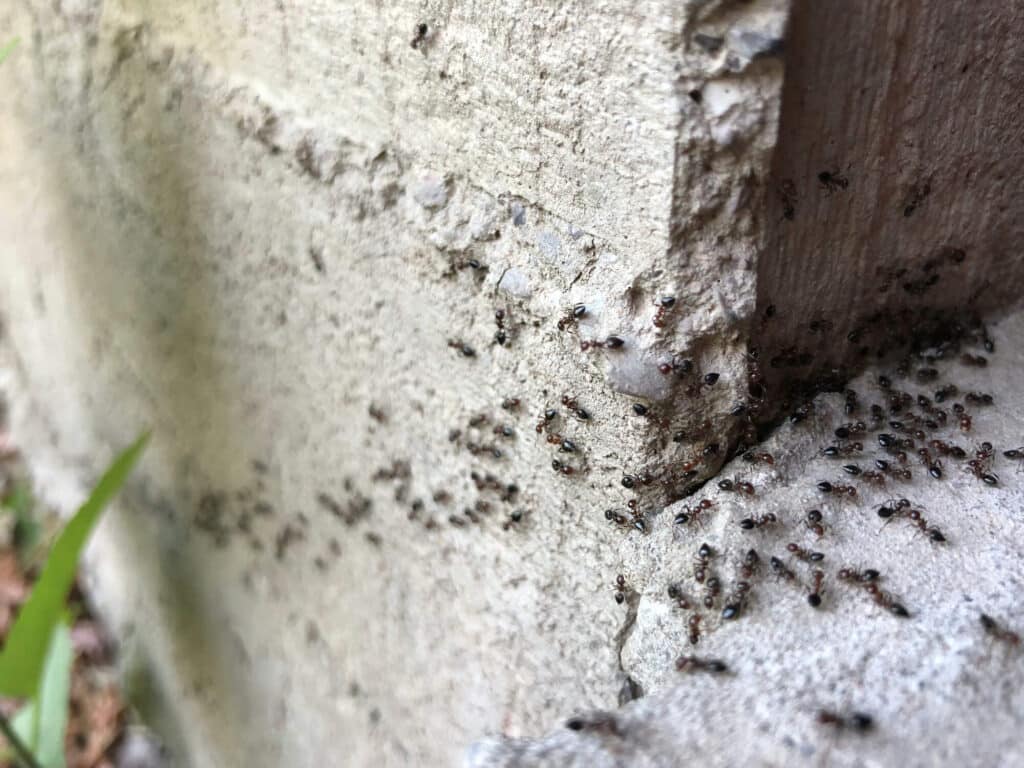
Ants are social insects, and while they may not seem dangerous, their presence often indicates other problems. They can invade kitchens and bathrooms, searching for food and water.
Termites
Termites are notorious for silently damaging the structure of your home. These pests feed on wood and can cause severe damage over time if not dealt with promptly.
Rodents
Rodents, such as mice and rats, can be a significant concern. They contaminate food, pose health risks, and can cause significant property damage by chewing through wires and insulation.
Cockroaches
Cockroaches are resilient creatures, often found in warm, moist areas of your home. They can trigger allergies and asthma and may spread diseases through contaminated surfaces.
Bed Bugs
Bed bugs are small, nocturnal insects that feed on human blood. Their bites can lead to itchy welts, and getting rid of them typically requires professional intervention.
Spiders
While many spiders pose little threat, certain species can be venomous. Additionally, a spider infestation may indicate other pest issues within your home.
Identifying Signs of Infestation
Recognizing the early signs of infestation can make a considerable difference in managing pest control effectively. Here are some indicators to watch out for:
Droppings
Finding droppings in your home is often the first indicator of an infestation. Different pests leave unique droppings, which can help you identify the type of pest problem you face.
Gnaw Marks
Rodents have a penchant for chewing on various materials. Look for gnaw marks on wires, furniture, and the corners of walls as a sign of a rodent issue.
Nesting Materials
Certain pests create nests from materials they find in your home. For instance, rodents might use shredded paper or fabric, while ants utilize tiny bits of organic materials.
Strange Noises
If you hear scratching or scurrying sounds, particularly at night, it could indicate that pests are scuttling behind your walls or attic.
The Risks Pests Pose to Your Home and Family
Understanding the potential dangers pests pose can motivate you to take action. Here’s a closer look at the risks associated with various pests.
Health Risks
Many pests carry diseases that can affect your family’s health. For instance, rodents can transmit Hantavirus, and cockroaches can trigger asthma and allergies while spreading harmful bacteria.
Property Damage
Pests like termites and rodents can lead to considerable damage to your home. Termites alone can destroy the structural integrity of wood, leading to costly repairs.
Emotional Distress
A pest infestation can create a sense of unease in your home. Whether it’s the fear of being bitten by a bed bug or the discomfort of sharing your space with cockroaches, these feelings can affect your mental well-being.
Preventative Measures to Keep Your Home Pest-Free
Prevention is vital when it comes to pest control. Being proactive can reduce the likelihood of pests invading your home. Here are several measures to consider:
Seal Entry Points
You can start by looking over your home for potential entry points. Pests can squeeze through tiny openings, so sealing gaps in windows, doors, and foundations is essential. Use caulk or weather stripping to block these access points.
Maintain Proper Sanitation
Keeping a clean home may be one of the simplest yet most effective pest prevention strategies. Clean all surfaces regularly, store food properly in sealed containers, and dispose of trash promptly.
Reduce Moisture
Many pests are attracted to moisture. To eliminate these attractions, fix leaky faucets, use dehumidifiers in damp areas like basements, and ensure proper drainage.
Organize Storage
Pests love clutter, as it provides hiding spots and nesting materials. Keeping your storage areas organized makes it easier to spot early signs of infestation and reduces potential harborage.

DIY Pest Control Solutions
If you do discover pests in your home, don’t fret! There are several do-it-yourself solutions you can try. While these methods may not be effective for all situations, they can be a good starting point for minor infestations.
Natural Repellents
Many natural ingredients can deter pests. Vinegar, essential oils (like peppermint or tea tree), and diatomaceous earth can all be effective repellents.
Traps
Setting up traps can help you catch and eliminate pests. Sticky traps work well for insects; snap traps or live traps can trap rodents without poison.
Boric Acid
This naturally occurring substance is effective against various pests, including cockroaches and ants. Sprinkling boric acid in places where you’ve spotted these pests can help control their populations.
When to Call in the Professionals
While DIY methods can work well for minor infestations, sometimes calling in the experts is best. Here’s when to consider professional pest control services:
Severe Infestations
If you’re dealing with a significant pest problem, such as a full-blown termite infestation or a massive rodent issue, it’s time to bring in the professionals.
Health Concerns
If health risks are involved, particularly with pests that spread diseases, selecting professional pest control can provide peace of mind.
Previous Attempts Have Failed
If you’ve tried various DIY methods without success, it may be time to consult a pest control expert who can assess your unique situation and provide tailored solutions.
Choosing the Right Pest Control Service
Choosing an exemplary pest control service is essential once you’ve decided to hire a professional. Consider the following tips:
Research and Reviews
Conducting thorough research on local pest control services can help you find reliable options. Please be sure to look for customer reviews and ratings to gauge the effectiveness and reliability of the service providers.
Ask About Methods
Please inquire about their pest control methods. A reputable company should be open about its techniques and willing to discuss environmentally friendly options.
Verify Licensing and Insurance
Please ensure that the pest control service you choose is licensed and insured. This will protect your home and ensure that the service adheres to local regulations and guidelines.
Get Multiple Quotes
Don’t hesitate to contact multiple pest control services to get quotes. This will give you a better idea of the market rates and help you choose a provider that fits your budget.
Educating Your Family about Pest Control
It’s essential to involve your family in pest control efforts. Educating everyone about pest prevention and control can foster a collaborative approach to keeping your home pest-free.
Teach Children
Please ensure your children understand why keeping food sealed and maintaining cleanliness is crucial. Teaching them about the different types of pests and their potential risks can help them recognize signs of trouble early.
Safety First
Discuss pest safety guidelines with your family. Whether you’re using DIY methods or have called in a professional, ensure everyone understands the safety protocols to follow.
Encourage Open Communication
Could you create an atmosphere where family members feel comfortable reporting potential pest sightings? Open communication can lead to quicker action and prevent more significant infestations.
Seasonal Pest Control Considerations
Different seasons bring different challenges concerning pest control. Here’s a quick overview of what to expect throughout the year:
Spring
As the weather warms, pests like ants, termites, and wasps become more active. Now is the time to review your home and address potential entry points.
Summer
Summer often sees an influx of various pests, including mosquitoes and flies. Could you consider scheduling preventative treatments during this time?
Fall
As temperatures drop, many pests seek warm places to spend the winter. Please make sure your home is well-sealed to keep these pests out.
Winter
While some pests become dormant during the winter, rodents may still invade homes for shelter and food. Could you check for signs regularly and maintain cleanliness throughout the colder months?
Protecting your home and family from pests doesn’t have to be a daunting task. Understanding the common pests, implementing preventative measures, and being proactive can effectively keep your living space comfortable and safe.
Remember that knowledge is power, and whether you choose to tackle pest control on your own or seek professional assistance, staying informed will help you make the best choices for you and your family.
==========
Content 10/10/G