
When you encounter wood that has been infested by termites, it’s crucial to grasp the potential risks associated with it. Termites are notorious for their ability to cause significant structural damage to homes and buildings. They feed on cellulose, which is found in wood, paper, and other plant materials.
If you have termite-infested wood in your home or property, you may be unwittingly inviting these pests to wreak havoc on your living space. The longer you allow the infestation to persist, the more extensive the damage can become, leading to costly repairs and potential safety hazards. Moreover, the presence of termite-infested wood can also attract other pests.
As termites break down the wood, they create a habitat that may be appealing to other insects and rodents. This can lead to a more extensive pest problem that complicates your efforts to maintain a safe and healthy environment. Understanding these risks is the first step in taking action against termite infestations and ensuring that your property remains secure.
Key Takeaways
- Termite-infested wood poses risks to structures and can lead to costly damage if not addressed.
- Look for signs of termite infestation such as hollowed-out wood, mud tubes, or termite droppings.
- Keep infested wood isolated to prevent the spread of termites to other areas.
- Avoid direct contact with termite-infested wood to minimize the risk of exposure to termites and their potential health hazards.
- Use protective gear such as gloves and masks when handling termite-infested wood to protect yourself from potential health risks.
Identifying Termite-infested Wood or Debris
Identifying termite-infested wood is essential for effective management and prevention. You should look for specific signs that indicate an infestation. One of the most common indicators is the presence of mud tubes, which termites construct to travel between their nests and food sources.
These tubes are typically found on walls, foundations, or any wooden structures. Additionally, you may notice hollow-sounding wood when you tap on it, which suggests that termites have been feeding inside. Another telltale sign is the presence of frass, which is termite droppings that resemble small pellets or sawdust.
If you find these droppings near wooden structures or furniture, it’s a strong indication that termites are present. You should also be vigilant for any visible damage to wood surfaces, such as sagging or buckling. By familiarizing yourself with these signs, you can take prompt action to address any infestations before they escalate.
Isolate the Infested Wood or Debris
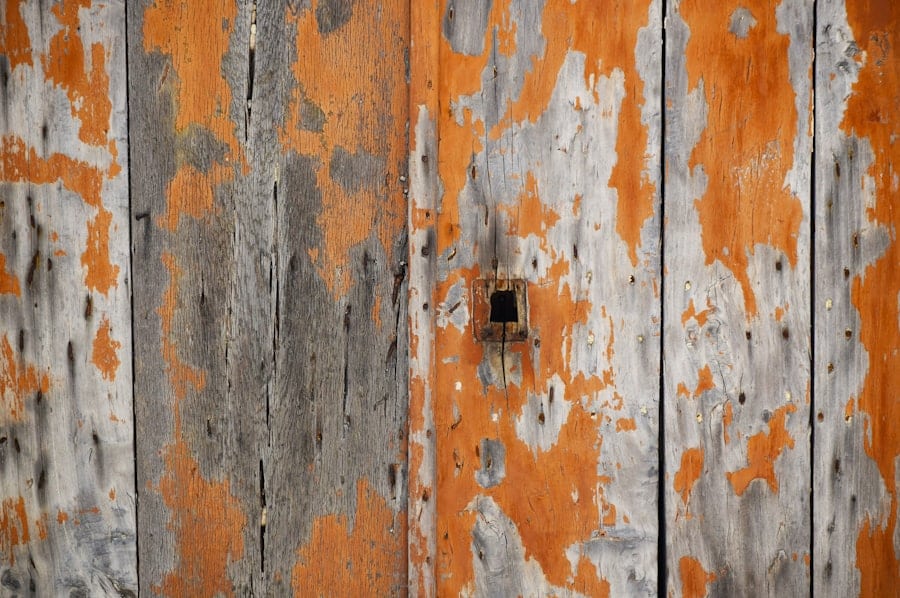
Once you have identified termite-infested wood or debris, it’s crucial to isolate it from the rest of your property. This step is vital in preventing the spread of termites to other areas of your home or garden. You should consider cordoning off the affected area and marking it clearly to avoid accidental contact.
If possible, remove the infested wood from your home entirely and place it in a designated area away from other structures. Isolation not only helps contain the infestation but also allows you to assess the extent of the damage without risking further exposure. By keeping the infested materials separate, you can better plan for their disposal or treatment.
This proactive approach minimizes the risk of termites migrating to other wooden structures in your home, ensuring that your living space remains safe and secure.
Avoiding Direct Contact with Termite-infested Wood
When dealing with termite-infested wood, it’s essential to avoid direct contact as much as possible. Termites can easily transfer from infested materials to your skin or clothing, increasing the risk of spreading them throughout your home. You should refrain from touching or handling infested wood without proper precautions in place.
Instead, use tools such as shovels or tongs to move or manipulate the materials. Additionally, be cautious about where you store any items that come into contact with infested wood. Even if you believe you’ve isolated the infestation, there’s always a chance that termites could hitch a ride on your belongings.
By maintaining a safe distance and using appropriate tools, you can significantly reduce the risk of inadvertently spreading these pests.
Using Protective Gear for Handling Termite-infested Wood
When handling termite-infested wood, wearing protective gear is a wise decision. This gear can include gloves, long sleeves, and even a mask if you’re working in an enclosed space where dust may be present. Gloves will protect your hands from direct contact with any potential pests or harmful substances that may be present in the wood.
Long sleeves will help shield your skin from any splinters or irritants. In addition to physical protection, consider wearing safety goggles if you anticipate debris flying during removal or treatment processes. This added layer of protection ensures that you can handle the situation safely without risking injury or exposure to harmful elements.
By equipping yourself with the right protective gear, you can approach the task of dealing with termite-infested wood with confidence and care.
Disposal Options for Termite-infested Wood

Burning as an Option
One option is to burn the infested wood if local regulations permit it. Burning effectively eliminates termites and their eggs while reducing the risk of spreading them to other areas.
Safety Precautions
However, ensure that you follow all safety guidelines and local laws regarding open burning. If burning isn’t an option, consider wrapping the infested wood in plastic sheeting before disposal. This method helps contain any remaining pests and prevents them from escaping during transport.
Proper Disposal
You can then take the wrapped materials to a designated waste disposal site that accepts infested wood. Always check with local authorities for specific disposal guidelines to ensure compliance with regulations.
Consulting with Local Waste Management Authorities
Before disposing of termite-infested wood, consulting with local waste management authorities is a prudent step. They can provide valuable information regarding proper disposal methods and any regulations that may apply in your area. Some municipalities have specific guidelines for handling pest-infested materials to prevent environmental contamination and protect public health.
By reaching out to these authorities, you can ensure that you are following best practices for disposal while minimizing any potential risks associated with termite infestations. They may also offer resources or services for pest control that can assist you in managing the situation effectively.
Using Professional Pest Control Services for Disposal
If you find yourself overwhelmed by a termite infestation or unsure about how to handle disposal safely, consider enlisting professional pest control services. These experts have the knowledge and experience necessary to manage infestations effectively while ensuring safe disposal of infested materials. They can assess the extent of the infestation and recommend appropriate treatment options tailored to your specific situation.
Professional pest control services often have access to specialized equipment and techniques that can eliminate termites more efficiently than DIY methods. Additionally, they can provide guidance on preventing future infestations and help you develop a comprehensive pest management plan for your property.
Preventing Spread of Termites During Disposal
When disposing of termite-infested wood, taking precautions to prevent the spread of termites is essential. Ensure that any infested materials are securely wrapped or contained before transport to minimize the risk of pests escaping during handling. If possible, transport the materials directly to a disposal site without making unnecessary stops along the way.
You should also avoid placing infested wood near other wooden structures or materials during disposal. This practice helps prevent any potential cross-contamination that could lead to new infestations in previously unaffected areas. By being diligent during the disposal process, you can significantly reduce the chances of spreading termites further.
Alternative Uses for Termite-infested Wood
While termite-infested wood may seem like a lost cause, there are alternative uses for it that can minimize waste and repurpose materials creatively. For instance, if the infestation is not extensive, you might consider using the wood for outdoor projects such as garden beds or compost bins where structural integrity is less critical. Just ensure that these projects are located away from your home and other wooden structures.
Another option is to use infested wood for art projects or crafts where its unique texture can add character and charm. By thinking outside the box, you can transform what might seem like a nuisance into something functional or aesthetically pleasing while keeping it away from your living space.
Monitoring for Signs of Termites After Disposal
After disposing of termite-infested wood, it’s crucial to monitor your property for signs of termites regularly. Even if you believe you’ve eliminated the source of infestation, new colonies can emerge if conditions are favorable. Keep an eye out for mud tubes, frass, or any signs of damage in wooden structures around your home.
Implementing preventive measures such as regular inspections and maintaining proper moisture levels in your home can help deter future infestations. By staying vigilant and proactive in monitoring for signs of termites after disposal, you can protect your property from potential damage and ensure a pest-free environment moving forward. In conclusion, dealing with termite-infested wood requires careful attention and proactive measures at every stage—from identification and isolation to disposal and monitoring afterward.
By understanding the risks involved and taking appropriate actions, you can effectively manage infestations while safeguarding your home from future threats.
If you are looking for the best pest control service in Peoria, Arizona, Lubbock, Texas, or Glendale, Arizona, Thrift Pest Control has got you covered. Their team of experts can help you safely dispose of termite-infested wood or debris, as discussed in the article “How Do I Safely Dispose of Termite-infested Wood or Debris?” For more information on their services, visit here, here, or here.
FAQs
What is the best way to safely dispose of termite-infested wood or debris?
The best way to safely dispose of termite-infested wood or debris is to seal it in a heavy-duty plastic bag or wrap it in plastic sheeting to prevent the spread of termites. Then, you can either place it in a designated landfill or contact a professional pest control company for proper disposal.
Can I burn termite-infested wood or debris to get rid of the termites?
Burning termite-infested wood or debris is not recommended as it can release harmful chemicals and toxins into the air. Additionally, it may not effectively eliminate all the termites and could potentially spread the infestation to other areas.
Is it safe to compost termite-infested wood or debris?
Composting termite-infested wood or debris is not recommended as it can potentially spread the termites to other areas. It is best to dispose of it in a sealed plastic bag and then place it in a designated landfill.
Should I contact a professional pest control company for help with disposing of termite-infested wood or debris?
If you are unsure about how to safely dispose of termite-infested wood or debris, it is best to contact a professional pest control company for assistance. They can provide guidance on proper disposal methods and may offer services for removing and disposing of the infested materials.