
Bats are fascinating creatures that play a crucial role in our ecosystem. As nocturnal mammals, they are primarily active during the night, which can make them elusive and difficult to observe. You may find it interesting that there are over 1,400 species of bats worldwide, each exhibiting unique behaviors and habits.
Most bats are insectivorous, consuming vast quantities of insects, including mosquitoes and agricultural pests, which makes them invaluable for natural pest control. Their echolocation abilities allow them to navigate and hunt in complete darkness, emitting high-frequency sounds that bounce off objects, helping them locate prey and avoid obstacles. In addition to their hunting prowess, bats are social animals that often roost in colonies.
Depending on the species, these colonies can range from a few individuals to thousands. You might be surprised to learn that some bats migrate long distances in search of warmer climates or abundant food sources. They typically seek out dark, secluded spaces for roosting, such as caves, tree hollows, and even human-made structures.
Understanding these behaviors is essential for anyone who may encounter bats in their living environment, as it can help you appreciate their ecological importance while also recognizing the potential challenges they may pose when they invade human spaces.
Key Takeaways
- Bats are nocturnal creatures that roost in dark, secluded areas during the day and are attracted to areas with abundant insects and water sources.
- Signs of a bat infestation include the presence of guano (bat droppings), urine stains, and a strong ammonia-like odor.
- Bat infestations can pose health risks to humans, including the potential transmission of diseases such as rabies and histoplasmosis.
- It is important to be aware of local laws and regulations regarding the removal and exclusion of bats, as they are protected in many areas.
- Safe and humane removal of bats involves the use of exclusion devices and sealing entry points, as well as avoiding the use of harmful chemicals or poisons.
Identifying Signs of a Bat Infestation
Recognizing the signs of a bat infestation is crucial for addressing the issue promptly and effectively. One of the most common indicators is the presence of bat droppings, known as guano. These droppings are often found near entry points or roosting areas and can resemble small pellets.
If you notice dark, crumbly droppings accumulating in your attic or around your home’s exterior, it may be time to investigate further. Additionally, you might observe a strong, musky odor emanating from areas where bats are roosting, which can be quite distinct and unpleasant. Another sign to look for is the presence of bats themselves.
If you see bats flying around your property at dusk or dawn, it could indicate that they are roosting nearby. You may also notice scratches or marks on walls or surfaces where bats have been entering or exiting. Pay attention to any unusual noises coming from your attic or walls, such as squeaking or rustling sounds, especially during the night when bats are most active.
By being vigilant and aware of these signs, you can take proactive measures to address a potential bat infestation before it escalates.
Risks and Dangers of Bat Infestations
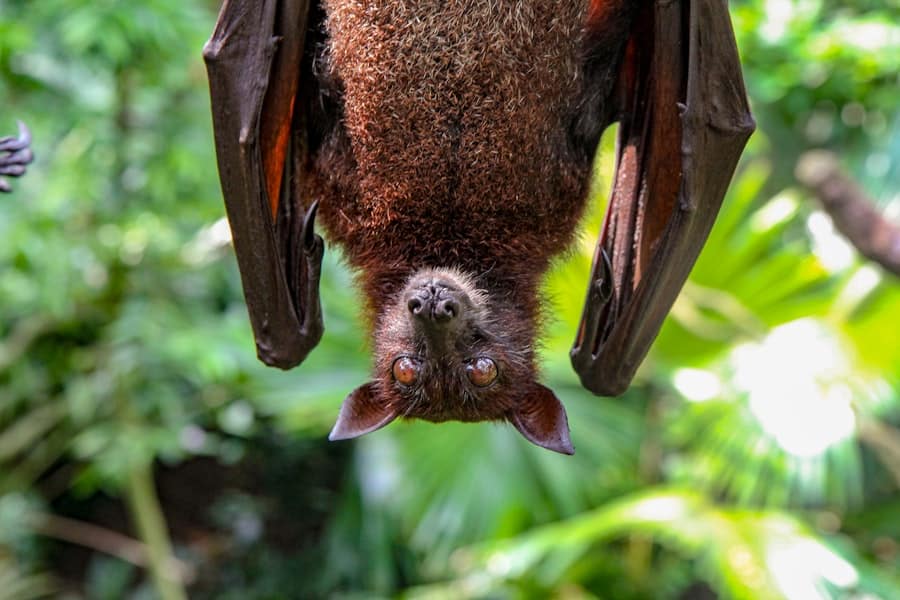
While bats are generally harmless and beneficial creatures, their presence in your home can pose certain risks and dangers. One of the primary concerns is the potential transmission of diseases. Bats are known carriers of rabies, a viral infection that can be fatal if left untreated.
Although the risk of contracting rabies from a bat is low, it is essential to exercise caution if you come into contact with one. If you suspect that a bat has entered your living space, it’s crucial to avoid direct interaction and seek professional assistance. In addition to health risks, bat infestations can lead to structural damage in your home.
As bats roost in attics or walls, their droppings can accumulate over time, leading to unsanitary conditions and potential damage to insulation and wood structures. The moisture from guano can also promote mold growth, which can further compromise indoor air quality and pose health risks to you and your family. Understanding these dangers is vital for taking appropriate action if you suspect a bat infestation in your home.
Legal Considerations and Regulations for Dealing with Bats
When dealing with bat infestations, it’s essential to be aware of the legal considerations and regulations that govern their removal. Many species of bats are protected by law due to their ecological importance and declining populations. In some regions, it is illegal to harm or kill bats without special permits.
Before taking any action, you should familiarize yourself with local wildlife laws and regulations regarding bat management. In many cases, the best course of action is to consult with wildlife professionals who understand the legalities surrounding bat removal. They can guide you through the process while ensuring compliance with local regulations.
Additionally, many states have specific seasons during which bat removal is permitted, often coinciding with breeding cycles. Understanding these legal considerations will help you navigate the complexities of dealing with bats while ensuring their protection and conservation.
Safe and Humane Removal of Bats
If you find yourself facing a bat infestation, it’s crucial to prioritize safe and humane removal methods. The first step is to identify how the bats are entering your home. Look for gaps or openings in your roofline, vents, or eaves where bats may be gaining access.
Once you’ve identified these entry points, it’s essential to wait until nighttime when the bats are out foraging before sealing them off. This ensures that no bats are trapped inside your home. Humane exclusion methods involve installing one-way doors that allow bats to exit but prevent them from re-entering.
This approach allows the bats to leave safely without causing harm while ensuring they cannot return to your living space. After a few days, once you’re confident that all bats have exited, you can seal up the entry points permanently. It’s important to remember that handling bats directly can be dangerous; therefore, enlisting the help of wildlife professionals is often the safest option for both you and the bats.
Preventing Future Bat Infestations
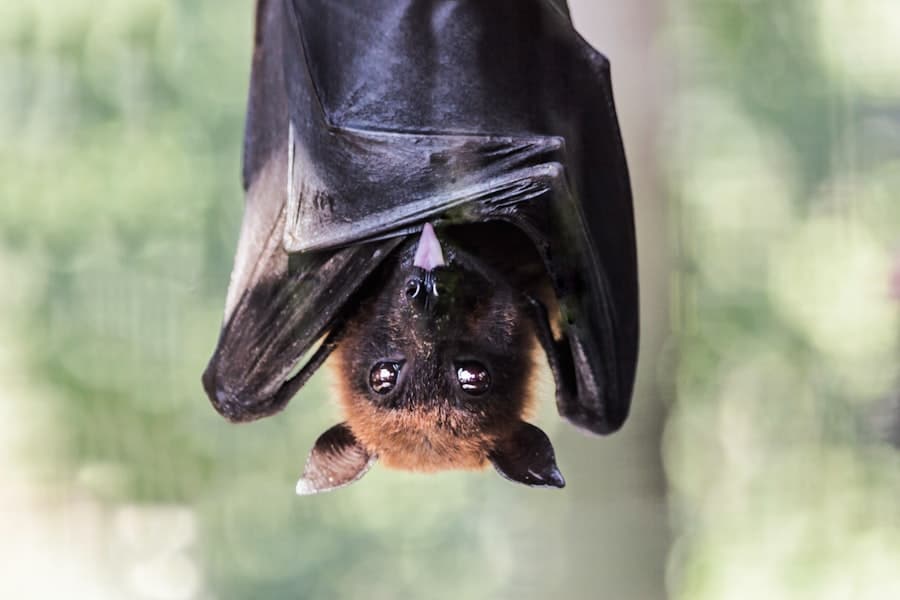
Once you’ve successfully removed bats from your home, taking preventive measures is essential to avoid future infestations. Start by conducting a thorough inspection of your property to identify potential entry points where bats could gain access again. Look for gaps in roofing materials, cracks in walls, or openings around vents and chimneys.
Sealing these entry points with appropriate materials will help deter bats from returning. In addition to sealing entry points, consider making your property less attractive to bats by reducing potential roosting sites. Trim back overhanging tree branches that may provide easy access to your roof and remove any debris or clutter around your yard that could serve as shelter for bats.
Installing bright outdoor lighting can also discourage bats from roosting near your home since they prefer dark environments for resting during the day. By taking these proactive steps, you can significantly reduce the likelihood of future bat infestations.
Finding Professional Help for Bat Infestations
When faced with a bat infestation, seeking professional help is often the most effective solution. Wildlife control experts have the knowledge and experience necessary to handle bat removal safely and humanely while adhering to local regulations. They can conduct thorough inspections of your property to identify entry points and assess the extent of the infestation.
When choosing a professional service, look for companies that specialize in wildlife control and have positive reviews from previous clients. It’s essential to ask about their methods for bat removal and ensure they prioritize humane practices. Additionally, inquire about any warranties or follow-up services they offer to ensure long-term prevention of future infestations.
By enlisting professional help, you can address the issue effectively while minimizing risks to both yourself and the bats.
Alternative Solutions for Living with Bats
In some cases, you may find that living harmoniously with bats is a viable option rather than attempting removal. If you have a large outdoor space or a barn that is not frequently used, consider allowing bats to roost there instead of in your home. Bats can provide natural pest control benefits by keeping insect populations in check.
If you choose this route, ensure that their roosting area is safe from human disturbance and that it does not pose any health risks to you or your family. Installing bat houses in your yard can also encourage bats to roost away from your home while providing them with a safe habitat. This approach not only helps maintain ecological balance but also fosters a greater appreciation for these remarkable creatures as part of our natural world.
In conclusion, understanding bat behavior and habits is essential for effectively managing any potential infestations while recognizing their ecological importance. By identifying signs of an infestation early on and being aware of the associated risks and legal considerations, you can take appropriate action while ensuring humane treatment of these creatures. Whether through professional assistance or alternative solutions for cohabitation, fostering a respectful relationship with bats can lead to a healthier environment for both humans and wildlife alike.
If you are dealing with a bat infestation in your home, you may want to consider hiring a professional pest control service to help you find a solution. Thrift Pest Control offers the best pest control service in Providence, Rhode Island, and Fort Worth, Texas. In addition to dealing with bat infestations, they also provide services to combat other pests and allergies. Check out their article on pests and allergies to learn more about the surprising connection and how to combat it here.
FAQs
What are the signs of a bat infestation?
Some signs of a bat infestation include the presence of bat droppings (guano), squeaking or scratching noises coming from the attic or walls, and the sight of bats flying around the exterior of the building at dusk.
Are bats dangerous to humans?
While bats themselves are not inherently dangerous, they can carry diseases such as rabies and histoplasmosis. It is important to avoid direct contact with bats and their droppings to minimize the risk of disease transmission.
How can I safely remove bats from my property?
It is recommended to contact a professional wildlife removal service to safely and humanely remove bats from your property. Attempting to remove bats on your own can be dangerous and may result in harm to the bats or yourself.
What are some solutions for preventing bat infestations?
To prevent bat infestations, it is important to seal off any entry points into the building, such as gaps in the roof or walls. Additionally, installing bat houses in the vicinity can provide an alternative roosting location for bats.
Are there laws protecting bats and their habitats?
Yes, many species of bats are protected by laws and regulations due to their important role in ecosystems and their declining populations. It is important to research and comply with local and federal laws when dealing with bat infestations.