
When it comes to pest control, the risks associated with small animal management are often underestimated. You may not realize that the methods used to eliminate pests can pose significant dangers not only to the targeted animals but also to your pets and local wildlife. Many traditional pest control products contain toxic chemicals that can lead to severe health issues for animals that come into contact with them.
For instance, rodenticides, which are commonly used to control rat and mouse populations, can be particularly harmful. If your pet ingests a poisoned rodent or the bait itself, it could result in serious illness or even death. Moreover, the stress inflicted on small animals during pest control operations can have far-reaching consequences.
The use of traps and other invasive methods can lead to suffering and anxiety for the animals involved. You might find it unsettling to think about how these practices affect not just the pests but also the ecosystem as a whole. The removal of one species can disrupt the balance of local wildlife, leading to unforeseen consequences that may ultimately affect your pets and the environment you cherish.
Understanding these risks is crucial for making informed decisions about pest control in your home.
Key Takeaways
- Small animal pest control can pose risks to pets and wildlife
- Safe and humane pest control methods should be chosen to minimize harm
- Pets should be protected from harmful pest control products
- A pet-friendly pest control plan should be created to ensure safety
- Wildlife should be safeguarded from pest control measures to maintain ecological balance
Choosing Safe and Humane Pest Control Methods
As you navigate the world of pest control, it’s essential to prioritize safe and humane methods that minimize harm to both pets and wildlife. One effective approach is to explore natural deterrents that can keep pests at bay without resorting to harmful chemicals. For example, using essential oils like peppermint or citrus can repel rodents and insects while being safe for your furry friends.
You might also consider employing physical barriers, such as sealing entry points in your home or using mesh screens, to prevent pests from entering without causing them harm. Another humane option is to utilize catch-and-release traps for small animals. These traps allow you to capture pests alive and relocate them far from your home, ensuring their safety while effectively managing the problem.
You may find it rewarding to take a proactive stance in pest control by adopting these methods, as they align with a compassionate approach toward all living creatures. By choosing humane solutions, you not only protect your pets but also contribute positively to the environment.
Protecting Pets from Harmful Pest Control Products

Your pets are beloved members of your family, and their safety should always be a top priority when dealing with pest control. Many commercial pest control products contain ingredients that can be toxic to animals, leading to a range of health issues from mild irritation to severe poisoning. It’s crucial to read labels carefully and research any products you plan to use in your home.
You may be surprised to discover that some seemingly harmless items can pose significant risks to your pets. In addition to being cautious about the products you choose, consider implementing preventive measures to keep your pets safe during pest control procedures. For instance, you might want to confine your pets to a separate area of the house while treatments are being applied.
This simple step can significantly reduce their exposure to harmful chemicals and ensure their well-being. Furthermore, after any pest control treatment, it’s wise to wait a designated period before allowing your pets back into treated areas. By taking these precautions, you can create a safer environment for your furry companions while effectively managing pest issues.
Creating a Pet-Friendly Pest Control Plan
Developing a pet-friendly pest control plan is an essential step in ensuring the safety of your animals while addressing pest problems in your home. Start by conducting a thorough inspection of your property to identify potential entry points for pests. This proactive approach allows you to address issues before they escalate, reducing the need for more aggressive pest control measures later on.
You might find it helpful to involve your family in this process, as it fosters awareness and encourages everyone to contribute to maintaining a pest-free environment. Once you’ve identified potential problem areas, consider integrating natural deterrents into your plan. For example, planting herbs like basil or lavender around your home can help repel insects while providing a safe space for your pets.
Additionally, you may want to establish regular cleaning routines that minimize food sources for pests, such as promptly cleaning up spills and storing pet food securely. By creating a comprehensive plan that prioritizes both pest management and pet safety, you can effectively tackle pest issues while ensuring a harmonious living environment for all members of your household.
Safeguarding Wildlife from Pest Control Measures
While addressing pest problems in your home is important, it’s equally vital to consider the impact of your actions on local wildlife. Many pest control methods can inadvertently harm non-target species, disrupting ecosystems and threatening biodiversity. As you work on pest management strategies, take time to educate yourself about the local wildlife in your area and how they interact with common pests.
Understanding these relationships can help you make more informed decisions that protect both your pets and local fauna. One way to safeguard wildlife is by opting for eco-friendly pest control solutions that minimize harm to non-target species. For instance, using traps designed specifically for certain pests can reduce the risk of capturing beneficial animals like birds or small mammals.
Additionally, consider collaborating with local wildlife organizations or experts who can provide guidance on best practices for managing pests while protecting native species. By taking these steps, you contribute positively to the environment and ensure that your pest control efforts do not come at the expense of local wildlife.
Educating Yourself on Pet and Wildlife Safety
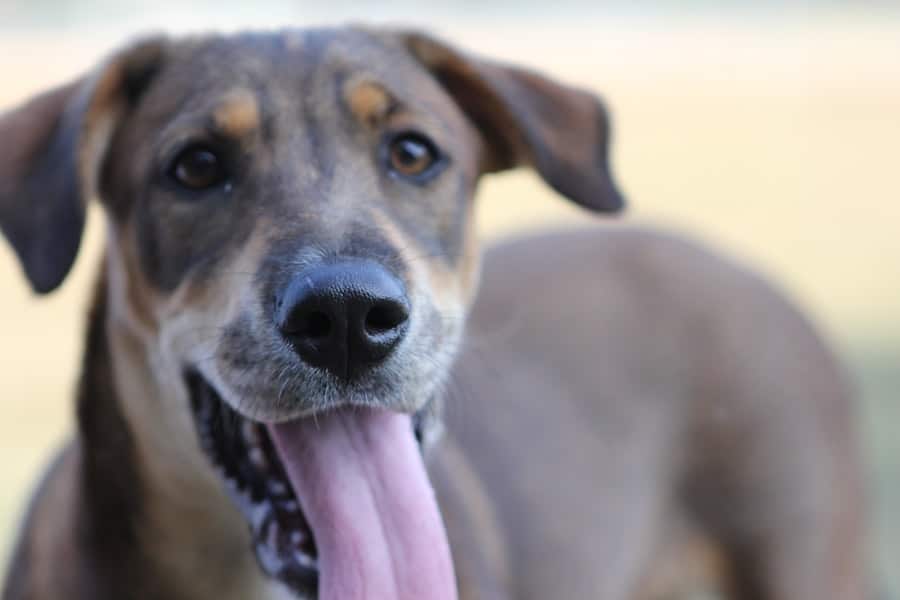
Knowledge is power when it comes to ensuring the safety of both your pets and local wildlife during pest control efforts. Take the time to educate yourself about the various products and methods available for pest management, focusing on those that prioritize safety and humaneness. You might find it beneficial to attend workshops or read articles from reputable sources that discuss pet-safe pest control options.
This proactive approach will empower you to make informed choices that align with your values regarding animal welfare. Additionally, consider reaching out to veterinarians or animal behaviorists who can provide insights into how different pest control methods may affect pets. They can offer valuable advice on recognizing signs of distress or illness in animals exposed to certain products.
By arming yourself with knowledge and resources, you can create a safer environment for both your pets and local wildlife while effectively managing pest issues in your home.
Seeking Professional Advice and Assistance
Sometimes, navigating the complexities of pest control can feel overwhelming, especially when considering the safety of your pets and local wildlife. In such cases, seeking professional advice can be invaluable. Pest control experts who specialize in humane methods can provide tailored solutions that address your specific needs while prioritizing safety for all living beings involved.
You may find it reassuring to consult with professionals who understand the intricacies of pest management and animal welfare. When selecting a pest control service, look for companies that emphasize eco-friendly practices and have a reputation for humane treatment of animals. Ask questions about their methods and products to ensure they align with your values regarding pet safety and environmental responsibility.
By collaborating with knowledgeable professionals, you can develop an effective pest control strategy that minimizes risks while achieving desired results.
Monitoring and Adjusting Pest Control Strategies for Pet and Wildlife Safety
Once you’ve implemented a pest control plan, ongoing monitoring is essential for ensuring its effectiveness and safety for both pets and wildlife. Regularly assess the situation in your home and yard, looking for signs of new pest activity or changes in animal behavior among your pets. This vigilance will allow you to identify any potential issues early on and make necessary adjustments to your strategy.
If you notice any adverse effects on your pets or local wildlife as a result of your pest control measures, don’t hesitate to reevaluate your approach. You may need to switch products or methods based on what you observe. Flexibility is key in maintaining a balance between effective pest management and safeguarding the well-being of all creatures involved.
By staying proactive and responsive, you can create a harmonious living environment where both pets and wildlife thrive alongside you. In conclusion, navigating the world of small animal pest control requires careful consideration of the risks involved and a commitment to safe practices that protect both pets and wildlife. By choosing humane methods, educating yourself on safety measures, seeking professional guidance when needed, and continuously monitoring your strategies, you can effectively manage pests while fostering a compassionate environment for all living beings in your care.
If you are facing small animal pest issues and want to ensure the safety of your pets and other wildlife, you may find this article on battling rodents and other unwanted guests in your attic helpful. It provides valuable insights on how to address pest problems while keeping your furry friends and local wildlife safe.
FAQs
What are some common small animal pest issues that can affect the safety of pets and wildlife?
Some common small animal pest issues include rodents, such as mice and rats, as well as insects like fleas, ticks, and mosquitoes. These pests can pose a threat to the safety and well-being of pets and wildlife.
How can I address small animal pest issues without harming pets and wildlife?
There are several humane and eco-friendly methods for addressing small animal pest issues, such as using natural repellents, traps, and exclusion techniques. It’s important to avoid using harmful chemicals or poisons that can harm pets and wildlife.
What are some ways to ensure the safety of pets and wildlife while addressing small animal pest issues?
To ensure the safety of pets and wildlife, it’s important to carefully select pest control methods that are safe and non-toxic. Additionally, it’s important to properly store and dispose of any pest control products to prevent accidental exposure to pets and wildlife.
Are there any specific precautions I should take when addressing small animal pest issues in outdoor areas?
When addressing small animal pest issues in outdoor areas, it’s important to consider the potential impact on wildlife. Using natural and non-toxic pest control methods, as well as avoiding the use of harmful chemicals near water sources, can help protect wildlife in outdoor areas.