
When you inspect your home, one of the first signs that may catch your attention is visible damage to wood. This damage can manifest in various forms, such as deep gouges, crumbling edges, or even entire sections of wood that appear to be missing. If you notice any of these issues, it’s crucial to investigate further.
The presence of such damage often indicates that wood-destroying pests, particularly termites, may have made your home their feeding ground. You might find this alarming, but recognizing the signs early can help you take action before the problem escalates. As you examine the wood in your home, pay close attention to areas that are prone to moisture, such as basements, attics, and around windows.
Termites thrive in damp environments, and their presence can lead to significant structural damage over time. If you see any visible damage, consider consulting a pest control professional who can assess the situation and recommend appropriate treatment options. Ignoring these signs could lead to costly repairs down the line, so it’s essential to act promptly.
Key Takeaways
- Visible damage to wood: Look for signs of wood damage such as holes, tunnels, or crumbling wood.
- Presence of termite swarmers: Keep an eye out for flying termites, especially during the spring and summer months.
- Hollow-sounding wood: Tap on wood surfaces to check for a hollow sound, which could indicate termite damage.
- Mud tubes on walls or foundation: Check for mud tubes, which are used by termites as a pathway to their food source.
- Discarded termite wings: Look for discarded wings near windows, doors, or other entry points.
- Sagging or buckling floors: Pay attention to any changes in the structure of your floors, as this could be a sign of termite damage.
- Small holes in wood: Check for small, pin-sized holes in wood, which could be an entry point for termites.
- Peeling or bubbling paint: Keep an eye on the paint on your walls and furniture, as termites can cause it to peel or bubble.
- Accumulation of termite droppings: Look for small piles of termite droppings, which resemble sawdust or coffee grounds.
- Noisy termite activity: Listen for clicking or rustling sounds coming from walls or wood, which could indicate termite activity.
- Difficulty opening or closing doors or windows: Pay attention to any difficulty in opening or closing doors and windows, as this could be a sign of termite damage.
Presence of termite swarmers
Another critical indicator of a termite infestation is the presence of swarmers. These winged insects are the reproductive phase of termites and typically emerge in large numbers during specific seasons, often in the spring. If you notice these swarmers inside your home or around its perimeter, it’s a clear sign that a colony is nearby.
Swarmers are often mistaken for flying ants due to their similar appearance, but they can be distinguished by their straight bodies and equal-length wings. If you find them in your living space, it’s time to take immediate action. Swarmers are not just a nuisance; their presence indicates that a mature colony is actively seeking to expand.
This means that if you see them, there’s a high likelihood that there are already established colonies within your walls or foundation. You should take this seriously and consider contacting a pest control expert who can conduct a thorough inspection and determine the extent of the infestation. The sooner you address the issue, the better your chances of preventing extensive damage to your property.
Hollow-sounding wood
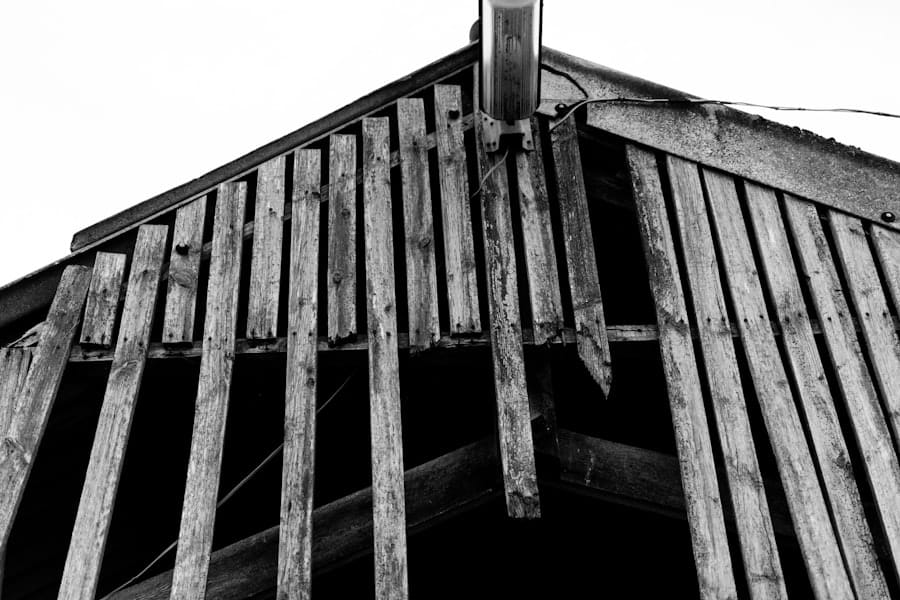
As you walk through your home, pay attention to the sounds that the wood makes when you tap on it. If you notice that certain areas sound hollow or produce an unusual echo, this could be a sign of termite activity. Termites consume wood from the inside out, leaving behind a thin veneer of wood on the surface.
This hollow-sounding wood is often an indication that a significant amount of material has already been consumed, which can compromise the structural integrity of your home. To investigate further, you can gently tap on the wood with a hard object or even your knuckles. If it sounds hollow or feels soft to the touch, it’s essential to take this seriously.
This could indicate that termites have been at work for some time, and immediate action is necessary to prevent further damage. Consulting with a pest control professional can help you determine the best course of action to address the issue effectively.
Mud tubes on walls or foundation
One of the most telling signs of a termite infestation is the presence of mud tubes on walls or foundations. These tubes are constructed by subterranean termites as they travel between their underground colonies and their food sources—your wooden structures. The mud tubes serve as protective tunnels that shield termites from predators and dehydration as they move about.
If you spot these tubes, it’s a clear indication that termites are actively working in or around your home. When inspecting for mud tubes, look closely at areas where soil meets wood, such as around foundations, crawl spaces, and basements. The tubes are typically about the width of a pencil and can be found both inside and outside your home.
If you find them, do not disturb them; instead, contact a pest control expert who can assess the situation and recommend appropriate treatment options. Ignoring these signs could lead to severe structural damage over time.
Discarded termite wings
As you continue your inspection for signs of termites, keep an eye out for discarded wings. After swarmers mate, they shed their wings as part of their reproductive cycle. Finding these wings scattered around your home is a strong indication that a termite colony is nearby.
The wings are typically translucent and can be found near windowsills or other entry points where swarmers may have entered your home. If you discover discarded wings, it’s essential to act quickly. This could mean that a new colony is establishing itself within your property or that an existing colony is expanding its territory.
You should consider contacting a pest control professional who can conduct a thorough inspection and determine if there is an active infestation that needs addressing. The sooner you take action, the better your chances of preventing extensive damage.
Sagging or buckling floors
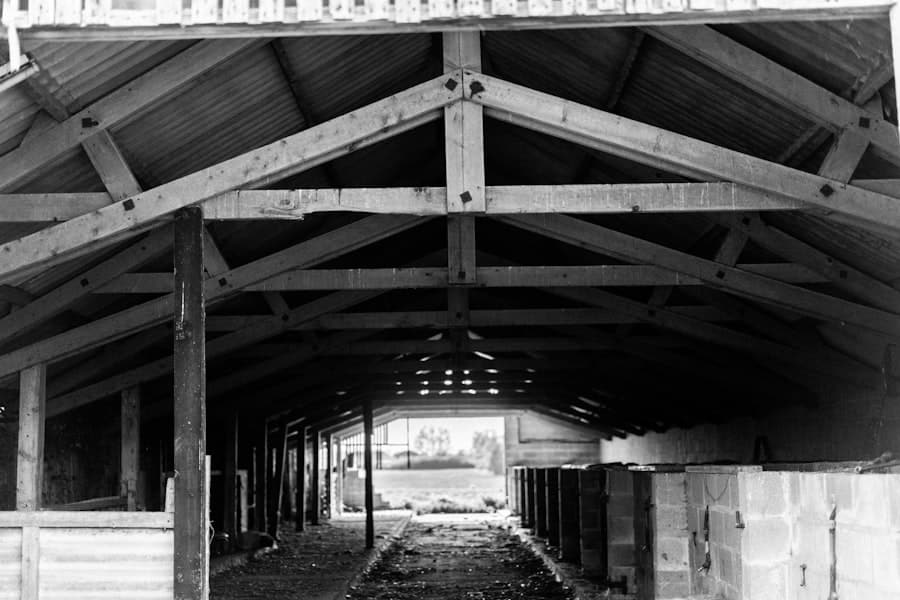
As you walk through your home, pay attention to how the floors feel underfoot. If you notice any sagging or buckling in certain areas, this could be a sign of termite damage. Termites often target floor joists and support beams, weakening them over time and leading to structural issues.
If left unaddressed, this can result in significant safety hazards and costly repairs. To assess whether sagging or buckling floors are related to termite activity, examine the affected areas closely. Look for other signs of infestation, such as visible damage to wood or hollow-sounding sections when tapped.
If you suspect termites are responsible for the issues with your floors, it’s crucial to consult with a pest control expert who can evaluate the situation and recommend appropriate treatment options. Addressing these problems early can save you time and money in the long run.
Small holes in wood
While inspecting your wooden structures, keep an eye out for small holes in the wood surface. These holes are often created by termites as they tunnel through the material in search of food. The size of these holes can vary but is typically about the diameter of a pencil lead.
If you find these holes in your walls, furniture, or other wooden items, it’s essential to take immediate action. Small holes in wood can indicate that termites have been active for some time and may have caused significant damage beneath the surface. To determine the extent of the infestation, consider consulting with a pest control professional who can conduct a thorough inspection and provide guidance on how to address the issue effectively.
Ignoring these signs could lead to further damage and costly repairs down the line.
Peeling or bubbling paint
As you examine your walls and ceilings, look for signs of peeling or bubbling paint. This issue can occur for various reasons, including moisture problems or poor application techniques; however, it can also be an indicator of termite activity beneath the surface. When termites tunnel through wood, they can create moisture pockets that lead to paint deterioration over time.
If you notice peeling or bubbling paint in conjunction with other signs of termite activity—such as visible damage to wood or small holes—it’s crucial to investigate further. You may want to consult with a pest control expert who can assess whether termites are responsible for the paint issues in your home. Addressing these problems early can help prevent further damage and ensure that your living space remains safe and comfortable.
Accumulation of termite droppings
As you inspect your home for signs of termites, keep an eye out for small piles of droppings known as frass. These droppings resemble tiny pellets and are often found near areas where termites are active. The presence of frass is a clear indication that termites have been feeding on your wooden structures and may be nesting nearby.
If you discover frass in your home, it’s essential to take immediate action. This could mean contacting a pest control professional who can conduct a thorough inspection and determine if there is an active infestation that needs addressing. The sooner you address this issue, the better your chances of preventing extensive damage to your property.
Noisy termite activity
While inspecting your home for signs of termites, listen closely for any unusual noises coming from within walls or wooden structures. Termites are known to make faint clicking or rustling sounds as they chew through wood or communicate with one another. If you hear these noises, it could be an indication that there is an active infestation within your home.
If you suspect noisy termite activity in your living space, it’s crucial to take action quickly. Consult with a pest control expert who can conduct a thorough inspection and determine if there is an active infestation that needs addressing. Ignoring these sounds could lead to significant structural damage over time.
Difficulty opening or closing doors or windows
As you go about your daily routine at home, pay attention to how easily doors and windows open and close. If you find yourself struggling with any of them—whether they stick or won’t latch properly—it could be a sign of termite activity affecting the wooden frames or structures around them. Termites can cause warping or swelling in wood as they consume it from within, leading to misalignment and difficulty in operation.
If you experience issues with doors or windows sticking or not functioning correctly, consider investigating further for other signs of termite activity around those areas. Look for visible damage to wood or any other indicators mentioned earlier in this article. If you suspect termites are responsible for these issues, it’s essential to consult with a pest control professional who can assess the situation and recommend appropriate treatment options before further damage occurs.
In conclusion, being vigilant about potential signs of termite infestations is crucial for maintaining the integrity of your home. By recognizing visible damage to wood, observing swarmers and discarded wings, listening for unusual noises, and noting any difficulties with doors and windows, you can take proactive steps toward protecting your property from these destructive pests. Don’t hesitate to reach out to professionals if you suspect an infestation; early intervention is key to preventing extensive damage and costly repairs down the line.
If you suspect you have termites, it’s important to act quickly to prevent further damage to your home. One related article you may find helpful is “The Best Pest Control Service in Santa Ana, California” which offers tips on finding a reliable pest control service to help eradicate termites from your home. By clicking here, you can learn more about the services available in Santa Ana, California.
FAQs
What are signs of termites?
Some common signs of termites include mud tubes on walls or foundations, hollow-sounding wood, discarded wings near windows and doors, and piles of termite droppings (frass).
How do I know if I have termites in my home?
If you notice any of the signs mentioned above, it is likely that you have termites in your home. It is important to contact a professional pest control company to conduct a thorough inspection and determine the extent of the infestation.
Can termites cause damage to my home?
Yes, termites can cause significant damage to homes and other wooden structures. They feed on cellulose found in wood and can weaken the structural integrity of a building if left untreated.
What should I do if I suspect termites in my home?
If you suspect termites in your home, it is important to contact a professional pest control company as soon as possible. They can conduct a thorough inspection, provide treatment options, and help prevent future infestations.
How can I prevent termites in my home?
To prevent termites, it is important to eliminate moisture sources, seal cracks and crevices in the foundation, and keep firewood and other wooden materials away from the home. Regular inspections by a professional pest control company can also help detect and prevent termite infestations.