
When you think about pest control, your mind might immediately jump to chemical sprays and synthetic solutions. However, natural pest repellents offer a more eco-friendly and sustainable approach to managing unwanted insects and animals in your garden. These repellents are derived from natural sources, such as plants, essential oils, and other organic materials.
By understanding how these natural solutions work, you can create a healthier environment for your plants while minimizing harm to beneficial insects and wildlife. Natural pest repellents operate on various principles. Some plants emit scents that are unappealing to pests, while others contain compounds that disrupt the insects’ ability to feed or reproduce.
By harnessing these natural properties, you can effectively deter pests without resorting to harsh chemicals. This not only protects your garden but also contributes to a more balanced ecosystem, allowing beneficial insects like bees and ladybugs to thrive alongside your plants.
Key Takeaways
- Natural pest repellents can be an effective and environmentally friendly way to keep pests away from your garden.
- Using natural pest repellents in gardening can help promote a healthy and balanced ecosystem in your garden.
- Some plants, such as lavender and marigold, naturally repel insects and can be used as a natural pest control method in gardening.
- Plants like mint and daffodils can naturally repel rodents and help keep them away from your garden.
- Certain plants, like yarrow and chrysanthemums, can naturally repel deer and other wildlife, making them great additions to your garden for pest control.
The Benefits of Using Natural Pest Repellents in Gardening
One of the most significant advantages of using natural pest repellents is their safety for both humans and the environment. Unlike synthetic pesticides, which can leave harmful residues on your plants and in the soil, natural repellents break down more easily and pose less risk to your health. When you choose to use these organic solutions, you can feel confident that you are not introducing toxic substances into your garden or home.
Additionally, natural pest repellents often promote biodiversity in your garden. By avoiding chemical treatments, you encourage the presence of beneficial insects that can help control pest populations naturally. This creates a more resilient ecosystem where plants can thrive without the constant threat of pests.
You may also find that using natural methods fosters a deeper connection with your garden, as you learn to observe and respond to the needs of your plants and the creatures that inhabit them.
Plants That Naturally Repel Insects
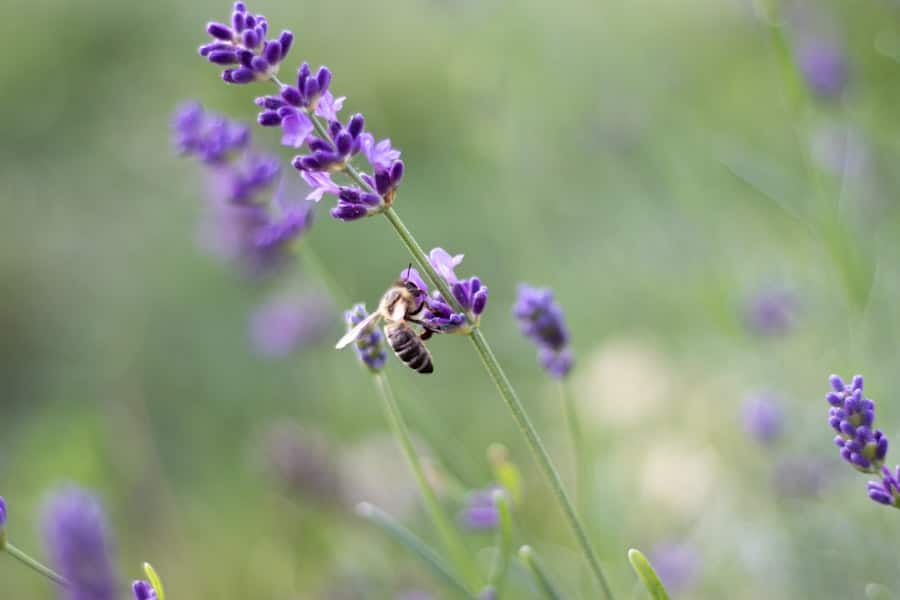
Certain plants possess unique properties that make them effective at repelling common garden pests. For instance, marigolds are well-known for their ability to deter aphids, nematodes, and whiteflies. Their vibrant flowers not only add beauty to your garden but also serve as a natural barrier against these unwanted visitors.
By planting marigolds alongside your vegetables or flowers, you can create a protective shield that helps keep pests at bay. Another excellent option is basil, which is particularly effective against flies and mosquitoes. The strong aroma of basil is off-putting to many insects, making it a valuable addition to any garden.
You might consider interplanting basil with tomatoes, as they not only complement each other in flavor but also enhance each other’s growth while repelling pests. By incorporating these insect-repelling plants into your garden design, you can create a more harmonious environment for your plants.
Plants That Naturally Repel Rodents
If you’ve ever dealt with rodents in your garden, you know how frustrating it can be to protect your plants from their nibbling habits. Fortunately, certain plants can help deter these pesky critters. For example, peppermint is known for its strong scent, which is often unappealing to mice and rats.
By planting peppermint around the perimeter of your garden or in pots near vulnerable areas, you can create a natural barrier that discourages rodents from entering. Another effective option is lavender. Not only does it add a lovely fragrance to your garden, but its scent is also known to repel rodents.
The combination of beauty and functionality makes lavender an excellent choice for any gardener looking to keep their plants safe from unwanted visitors. By strategically placing these rodent-repelling plants throughout your garden, you can significantly reduce the likelihood of infestations.
Plants That Naturally Repel Deer and Other Wildlife
Deer can be particularly challenging for gardeners, as they often see your carefully tended plants as a buffet. However, certain plants can help deter these large herbivores from munching on your garden. For instance, plants like sage and rosemary have strong scents that deer find unappealing.
By incorporating these aromatic herbs into your landscape design, you can create an environment that is less inviting to deer. In addition to sage and rosemary, consider planting thorny or prickly varieties such as barberry or holly. These plants not only add visual interest but also serve as a physical barrier that discourages deer from venturing too close to your prized flowers and vegetables.
By combining fragrant herbs with thorny shrubs, you can create a multi-layered defense against deer and other wildlife that may threaten your garden.
Companion Planting for Natural Pest Control

Companion planting is a gardening technique that involves growing different plants in close proximity for mutual benefit. This method can be particularly effective for natural pest control, as certain plant combinations can enhance growth while deterring pests. For example, planting garlic near roses can help repel aphids and other harmful insects that may target these beautiful blooms.
Another classic companion planting duo is tomatoes and marigolds. As mentioned earlier, marigolds are excellent at repelling various pests, while tomatoes benefit from their presence by experiencing reduced pest pressure. By thoughtfully planning your garden layout and incorporating companion planting strategies, you can create a thriving ecosystem where plants support one another in their growth and pest resistance.
Creating a Pest-Repelling Garden Design
Designing a pest-repelling garden requires careful consideration of plant placement and diversity. Start by mapping out your garden space and identifying areas where specific pests tend to congregate. You can then strategically position pest-repelling plants in those areas to create natural barriers.
For instance, if you notice that aphids are a recurring issue near your vegetable patch, consider planting marigolds or nasturtiums nearby to deter them. In addition to plant placement, think about incorporating physical barriers such as trellises or fences made from materials that deter larger animals like deer or rabbits. Combining these structural elements with your choice of plants will enhance the overall effectiveness of your pest-repelling garden design.
Remember that diversity is key; the more varied your plant selection, the better equipped your garden will be to handle potential pest threats.
Maintaining a Pest-Repelling Garden
Once you’ve established your pest-repelling garden, ongoing maintenance is essential for ensuring its continued effectiveness. Regularly inspect your plants for signs of pest activity or disease, as early detection is crucial for managing any issues before they escalate. If you notice any problems, consider using natural remedies such as neem oil or insecticidal soap to address them without harming beneficial insects.
Additionally, keep an eye on the health of your pest-repelling plants themselves. Some may require regular pruning or deadheading to maintain their vigor and effectiveness in deterring pests. By staying attentive to the needs of both your main crops and the companion plants you’ve chosen for pest control, you’ll create a thriving environment that minimizes the risk of infestations.
Using Natural Pest Repellents in Organic Gardening
If you’re committed to organic gardening practices, incorporating natural pest repellents is a perfect fit for your philosophy. Organic gardening emphasizes sustainability and environmental stewardship, making it essential to avoid synthetic chemicals that can harm soil health and biodiversity. By utilizing natural repellents derived from plants and other organic materials, you align your gardening practices with these principles.
Moreover, using natural pest repellents allows you to cultivate a healthier ecosystem in your garden. Beneficial insects play a vital role in pollination and pest control; by avoiding harmful chemicals, you encourage their presence while effectively managing pests through natural means. This holistic approach not only benefits your garden but also contributes positively to the surrounding environment.
Common Mistakes to Avoid When Using Natural Pest Repellents
While natural pest repellents offer numerous benefits, there are common pitfalls that gardeners should be aware of when implementing them in their gardens. One mistake is relying solely on one type of repellent plant without considering diversity. Monocultures can attract specific pests rather than deter them; therefore, it’s essential to incorporate a variety of pest-repelling plants to create a balanced ecosystem.
Another common error is neglecting proper plant care and maintenance. Even the most effective pest-repelling plants require attention to thrive; if they become unhealthy or stressed due to lack of water or nutrients, their ability to deter pests diminishes significantly. Regularly assess the health of all plants in your garden and provide necessary care to ensure they remain effective allies in your battle against pests.
The Future of Natural Pest Repellents in Gardening
As awareness of environmental issues continues to grow, the future of natural pest repellents in gardening looks promising. More gardeners are seeking sustainable solutions that align with their values while promoting biodiversity and soil health. This shift towards organic practices opens up opportunities for research into new natural repellents derived from various plant species and essential oils.
Furthermore, advancements in technology may lead to innovative ways of applying natural pest repellents more effectively. For instance, developing targeted delivery systems could enhance the efficacy of these solutions while minimizing waste and environmental impact. As you embrace these changes in gardening practices, you’ll be part of a movement that prioritizes sustainability and ecological balance in our gardens for generations to come.
In conclusion, understanding and utilizing natural pest repellents can transform your gardening experience into one that is both productive and environmentally friendly. By exploring various plant options and employing companion planting techniques, you can create a thriving ecosystem that supports both your plants and beneficial wildlife while keeping unwanted pests at bay.
If you’re looking for more tips on pest control, you may want to check out this article on protecting your home and family from pests. It offers valuable information on how to prevent infestations and keep your living space safe and pest-free.
FAQs
What are some plants that naturally repel pests?
Some plants that naturally repel pests include lavender, marigolds, basil, mint, rosemary, and chrysanthemums.
How do these plants repel pests?
These plants contain natural compounds and oils that are unappealing or even toxic to pests, deterring them from the area.
Can planting these repellent plants help reduce the need for chemical pesticides?
Yes, planting these repellent plants can help reduce the need for chemical pesticides, as they can create a natural barrier against pests.
Are there specific pests that these plants are particularly effective against?
Different plants have different repellent properties, but in general, they can help deter a wide range of pests including mosquitoes, flies, aphids, and beetles.
How should these repellent plants be incorporated into a garden?
These plants can be incorporated into a garden by planting them alongside other crops or in strategic locations to create a natural barrier against pests. They can also be used to create borders or mixed into flower beds.
Are there any downsides to using these repellent plants in a garden?
While these plants can be effective at repelling pests, they may also deter beneficial insects. It’s important to consider the overall impact on the ecosystem when using these plants.