
As a parent, you may not realize just how many insect pests can pose a risk to your children. Common insects such as mosquitoes, ticks, and bees can carry diseases or cause allergic reactions that may lead to serious health issues. For instance, mosquitoes are notorious for transmitting illnesses like West Nile virus and Zika virus, which can have severe consequences for young, developing bodies.
Ticks, on the other hand, can carry Lyme disease and other tick-borne illnesses that can lead to long-term health problems if not treated promptly. Understanding these risks is crucial for ensuring your child’s safety. Moreover, some insects can cause immediate physical harm.
For example, wasps and bees can sting, leading to painful reactions that may require medical attention, especially if your child is allergic. Ants, particularly fire ants, can also deliver painful bites that can result in swelling and discomfort. By being aware of these dangers, you can take proactive steps to protect your children from potential harm caused by insect pests.
Key Takeaways
- Understanding the Risks: Common insect pests like mosquitoes and ticks can pose serious health risks to children, including diseases like West Nile virus and Lyme disease.
- Identifying Problem Areas: Insect pests thrive in areas with standing water, tall grass, and clutter, so it’s important to keep play areas clean and well-maintained.
- Creating a Safe Outdoor Space: Minimize insect pests in play areas by removing standing water, keeping grass trimmed, and using natural repellents like citronella candles.
- Indoor Pest Control: Keep insects out of the home by sealing cracks and crevices, using screens on windows and doors, and keeping food stored in airtight containers.
- Choosing Child-Friendly Pest Control Methods: Balance safety and effectiveness by opting for non-toxic, child-safe pest control products and methods whenever possible.
Identifying Problem Areas: Where Insect Pests Thrive in a Child’s Environment
Insect pests often thrive in specific areas that you may not immediately consider hazardous. Your backyard, for instance, can be a breeding ground for mosquitoes if there are standing water sources like puddles or birdbaths. These insects are drawn to stagnant water where they lay their eggs, making it essential to regularly check your outdoor spaces for any water accumulation.
Additionally, tall grass and overgrown shrubs can provide shelter for ticks and other pests, making it vital to maintain a well-groomed yard. Inside your home, certain areas are more susceptible to insect infestations than others. Kitchens and dining areas often attract ants and cockroaches due to food crumbs and spills.
Basements and attics can harbor spiders and other pests that thrive in dark, undisturbed spaces. By identifying these problem areas, you can take targeted action to minimize the risk of insect encounters for your children.
Creating a Safe Outdoor Space: Tips for Minimizing Insect Pests in Play Areas
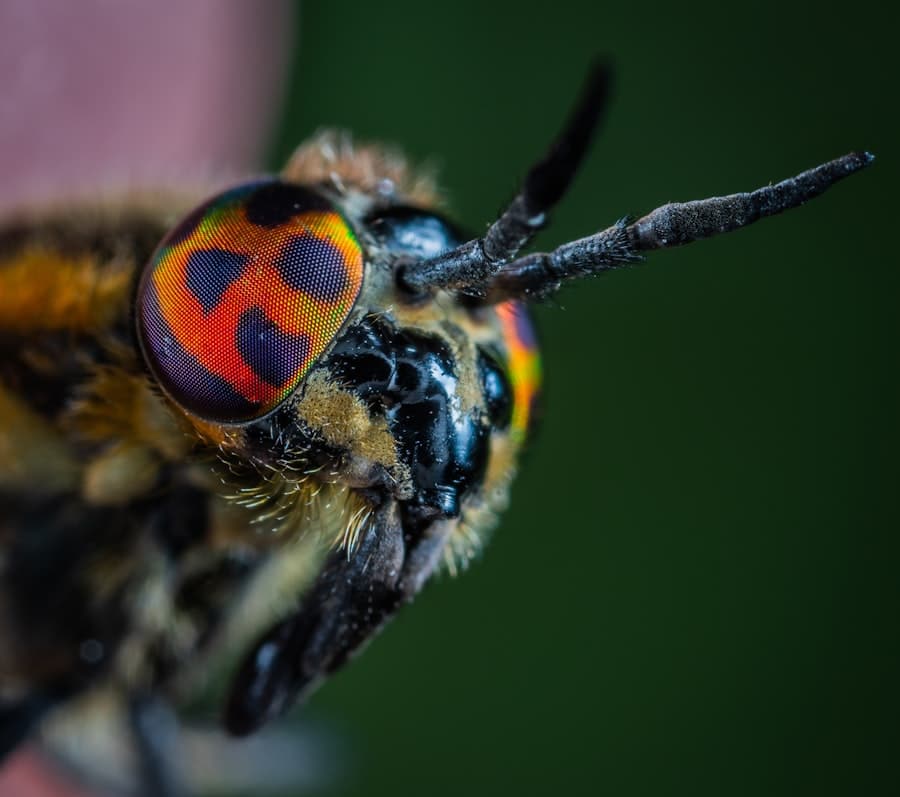
Creating a safe outdoor space for your children involves more than just setting up a swing set or sandbox; it requires careful planning to minimize insect pests. One effective strategy is to eliminate standing water around your yard. Regularly emptying containers that collect rainwater, such as flower pots or buckets, can significantly reduce mosquito breeding sites.
Additionally, consider using natural repellents like citronella candles or essential oils to deter insects while your children play outside. Another important aspect is landscaping. Opt for plants that are less attractive to pests and maintain a tidy garden by regularly trimming bushes and mowing the lawn.
You might also want to create designated play areas away from dense vegetation where ticks are likely to hide. By implementing these strategies, you can create a more enjoyable and safer outdoor environment for your children.
Indoor Pest Control: Strategies for Keeping Insects out of the Home
Keeping insects out of your home requires a multi-faceted approach that combines cleanliness with preventive measures. Start by sealing any cracks or gaps in windows and doors where pests might enter. Installing screens on windows can also provide an additional barrier against flying insects while allowing fresh air into your home.
Regularly checking for signs of pest activity, such as droppings or nests, can help you catch infestations early before they become a larger problem. In addition to physical barriers, maintaining a clean home is crucial in deterring pests. Make it a habit to clean up food spills immediately and store food in airtight containers.
Regularly taking out the trash and keeping countertops free of clutter will also minimize attractants for insects. By combining these strategies, you can create an indoor environment that is less inviting to unwanted pests.
Choosing Child-Friendly Pest Control Methods: Balancing Safety and Effectiveness
When it comes to pest control, safety should always be your top priority, especially when children are involved. Many traditional pest control methods use harsh chemicals that can pose health risks to young ones. Instead, consider opting for child-friendly pest control solutions that are both effective and safe.
Natural repellents made from essential oils like peppermint or eucalyptus can deter insects without exposing your children to harmful substances. Additionally, there are various non-toxic traps available on the market that can help manage pest populations without compromising safety. For example, sticky traps can capture insects without the use of chemicals, making them a suitable option for homes with children.
By choosing these safer alternatives, you can effectively manage pest issues while ensuring the well-being of your family.
Teaching Children about Insect Safety: Empowering Kids to Protect Themselves

Recognizing Common Pests
Start by teaching them how to recognize pests and explain the risks associated with each one. For instance, you might show them what a tick looks like and explain why they should avoid tall grass where ticks are likely to hide.
Instilling Good Habits
This knowledge will help them make informed decisions when playing outdoors. Moreover, instilling good habits in your children can further enhance their safety. Encourage them to wear protective clothing when playing outside, such as long sleeves and pants, especially during peak insect activity times like dawn and dusk.
Avoiding Unnecessary Stings
Teaching them to avoid swatting at bees or wasps can also prevent unnecessary stings. By fostering an understanding of insect safety, you equip your children with the tools they need to navigate their environment more safely.
Seeking Professional Help: When to Call in a Pest Control Expert
While many pest control measures can be handled at home, there are times when seeking professional help is necessary. If you notice a significant infestation that seems beyond your control or if you encounter potentially dangerous pests like wasps or termites, it’s wise to call in an expert. Pest control professionals have the training and experience needed to assess the situation accurately and implement effective solutions while ensuring safety for your family.
Additionally, if you’re unsure about the best pest control methods for your home or if you have specific concerns regarding child safety, consulting with a professional can provide peace of mind. They can offer tailored advice based on your unique situation and help you develop a comprehensive pest management plan that prioritizes the well-being of your children.
Maintaining a Pest-Free Environment: Tips for Long-Term Prevention and Management
Maintaining a pest-free environment requires ongoing vigilance and proactive measures. Regularly inspecting both indoor and outdoor spaces for signs of pests is crucial in catching potential issues early on. Establishing a routine cleaning schedule will help keep your home tidy and less attractive to insects.
This includes not only cleaning surfaces but also decluttering areas where pests might hide. In addition to cleanliness, consider implementing seasonal pest control measures as part of your long-term strategy. For example, applying natural repellents around entry points during peak insect seasons can help deter unwanted visitors before they become a problem.
By staying proactive and committed to prevention, you can create a safe environment where your children can thrive without the worry of insect pests intruding on their playtime.
When it comes to creating a safe environment for kids, understanding the language of bugs can be crucial. The article “The Pest Whisperer: Understanding the Language of Bugs” delves into how communication with insects can help in pest control and prevention. By learning more about the behavior and habits of common insect pests, parents can better protect their children from potential harm. Pairing this knowledge with the best pest control services in Greensboro, North Carolina, and Amarillo, Texas, as discussed in this article and this article, can ensure a safe and pest-free environment for kids to thrive in.
FAQs
What are insect pests and why are they a concern for children?
Insect pests are insects that can cause harm or nuisance to humans, animals, crops, or structures. They are a concern for children because they can transmit diseases, cause allergic reactions, and inflict painful bites or stings.
How can insect pests be controlled in a way that is safe for children?
Insect pests can be controlled in a way that is safe for children by using non-toxic or low-toxicity methods such as physical barriers, natural predators, and biological controls. Integrated pest management (IPM) techniques can also be used to minimize the use of chemical pesticides.
What are some common insect pests that can pose a risk to children?
Common insect pests that can pose a risk to children include mosquitoes, ticks, ants, bees, wasps, hornets, fleas, and bed bugs. These pests can transmit diseases, cause painful bites or stings, and trigger allergic reactions in children.
How can parents create a safe environment for their children in relation to insect pests?
Parents can create a safe environment for their children in relation to insect pests by keeping the home clean and free of food crumbs, sealing cracks and crevices to prevent pest entry, using screens on windows and doors, and removing standing water to prevent mosquito breeding. Additionally, parents can teach their children about insect pests and how to avoid them.