
To effectively attract chipmunks, it’s essential to first understand their behavior and habits. Chipmunks are small, agile rodents that are primarily active during the day. They are known for their distinctive stripes and energetic movements, often darting in and out of their burrows.
These creatures are opportunistic feeders, which means they will take advantage of whatever food sources are readily available. Their diet typically consists of seeds, nuts, fruits, and insects, making them quite versatile in their eating habits. By observing their patterns, you can better tailor your baiting strategies to suit their preferences.
Chipmunks are also known for their hoarding behavior. They gather food and store it in their burrows for later consumption, which is a crucial survival tactic, especially during the colder months. This instinct can work to your advantage when trying to lure them in.
By providing food that they can easily transport and store, you can increase your chances of attracting them to your bait station. Understanding these behaviors not only helps you choose the right bait but also allows you to create an environment that feels safe and inviting for these little creatures.
Key Takeaways
- Chipmunks are territorial and will mark their territory with scent glands, so understanding their behavior is key to effectively baiting them.
- Natural bait options like sunflower seeds and peanuts are attractive to chipmunks and can be easily found in their natural habitat.
- Store-bought bait options like commercial seed mixes and nut-based baits are convenient and effective for luring chipmunks.
- DIY bait recipes using ingredients like oats, peanut butter, and molasses can be easily made at home and are appealing to chipmunks.
- When placing bait, consider using bait stations to keep the bait contained and away from pets and children, and place them near chipmunk activity areas for best results.
Natural Bait Options
When it comes to attracting chipmunks, natural bait options can be incredibly effective. One of the most appealing choices is sunflower seeds. These seeds are not only a favorite among chipmunks but are also easy for them to carry back to their burrows.
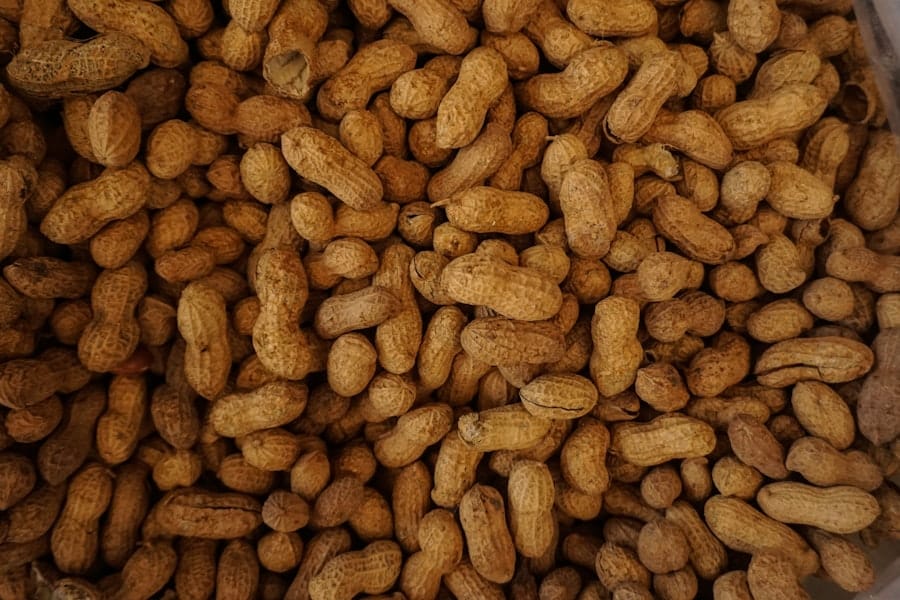
You can scatter them around your yard or place them in a designated feeding area to draw chipmunks in. Additionally, peanuts in the shell are another excellent option. The challenge of cracking open the shells adds an engaging element for chipmunks, making them more likely to return for more.
Fruits and vegetables can also serve as enticing bait. Chipmunks have a sweet tooth and are particularly fond of berries, apples, and even corn. You might consider placing small pieces of these foods near their burrows or in areas where you’ve noticed their activity.
Not only do these natural options provide nourishment for the chipmunks, but they also create a more organic feeding environment that can be enjoyable to observe. By using natural bait, you can foster a connection with these charming creatures while ensuring they have access to food that aligns with their dietary preferences.
Store-Bought Bait Options
If you prefer a more convenient approach, there are numerous store-bought bait options specifically designed for attracting chipmunks. Many garden centers and pet stores offer pre-packaged rodent food that contains a mix of seeds, grains, and nuts tailored to appeal to chipmunks. These products often come in resealable bags, making it easy for you to store any leftovers for future use.
When selecting store-bought bait, look for options that contain high-quality ingredients without artificial additives, as this will ensure the health and well-being of the chipmunks you’re trying to attract. Another popular store-bought option is commercial chipmunk bait stations. These stations often come pre-filled with a variety of enticing foods and are designed to keep the bait safe from other animals while allowing easy access for chipmunks.
Using these stations can simplify the process of attracting chipmunks, as they provide a designated area for feeding that minimizes mess and encourages frequent visits. By investing in quality store-bought bait options, you can create an inviting atmosphere that encourages chipmunks to return regularly.
DIY Bait Recipes
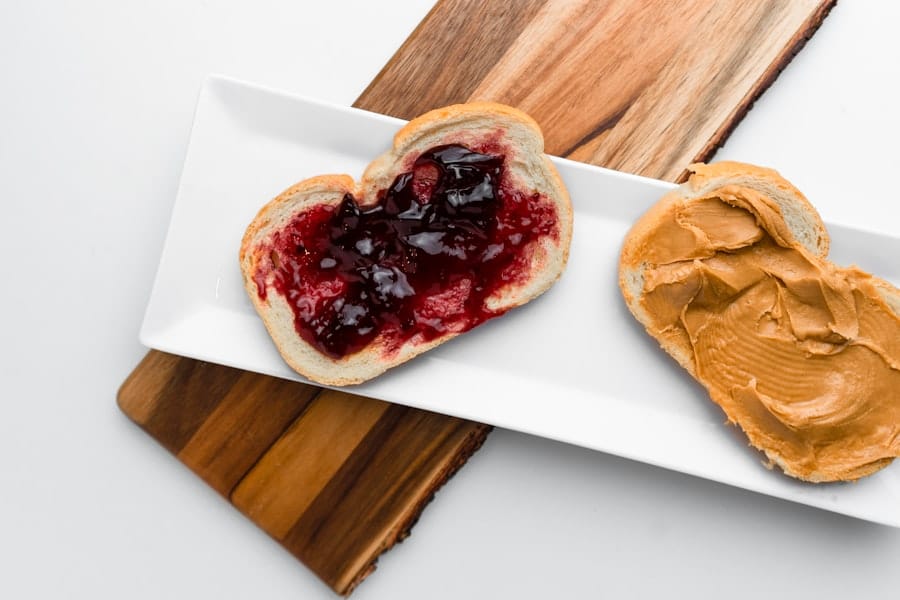
For those who enjoy a hands-on approach, creating your own DIY bait recipes can be both fun and rewarding. One simple recipe involves mixing together equal parts of peanut butter and oats. This combination not only provides a high-energy snack for chipmunks but is also easy for them to transport back to their burrows.
You can place small dollops of this mixture on a flat surface or inside a bait station to entice them further. Another effective DIY bait option is a seed mix that includes sunflower seeds, pumpkin seeds, and dried fruit pieces. This blend mimics the natural diet of chipmunks while offering a variety of textures and flavors that will keep them interested.
You can create larger batches and store them in airtight containers for future use. By crafting your own bait recipes, you not only save money but also have the satisfaction of knowing exactly what ingredients are being offered to the chipmunks.
Tips for Placing Bait
The placement of your bait is just as important as the type of bait you choose. To maximize your chances of attracting chipmunks, consider placing the bait near their burrows or along pathways where you’ve observed their activity. Chipmunks are creatures of habit and tend to follow familiar routes when foraging for food.
By strategically positioning your bait in these areas, you increase the likelihood of drawing them in. Additionally, try to create a safe feeding environment by minimizing disturbances around the bait area. Avoid placing the bait too close to areas with heavy foot traffic or loud noises, as this may scare the chipmunks away.
Instead, opt for quieter corners of your yard or garden where they can feel secure while feeding. You might also consider using natural cover, such as rocks or plants, to provide additional shelter and make the area more inviting.
Safety Considerations
While attracting chipmunks can be enjoyable, it’s essential to keep safety considerations in mind. First and foremost, avoid using any toxic substances or harmful chemicals in your bait or surrounding areas. Chipmunks are sensitive creatures, and exposure to harmful substances can have dire consequences not only for them but also for other wildlife and pets in your vicinity.
Always opt for natural or organic options when possible. Furthermore, be mindful of potential predators in your area that may pose a threat to chipmunks while they’re feeding. Cats, dogs, and birds of prey can all be dangers to these small rodents.
To mitigate risks, consider placing your bait in areas that offer some level of cover or protection from predators. This way, you can create a safer environment for chipmunks while still enjoying the experience of observing them in your yard.
Monitoring and Adjusting Bait
Once you’ve set up your baiting strategy, it’s important to monitor its effectiveness regularly. Keep an eye on how quickly the bait is consumed and whether chipmunks are visiting consistently. If you notice that the bait isn’t being touched or if visits become infrequent, it may be time to adjust your approach.
Experimenting with different types of bait or changing the placement can yield better results. Additionally, consider the time of year when monitoring your baiting efforts. Chipmunk activity may vary with seasonal changes; for instance, they may be more active during certain months when food is scarce or during mating season.
By staying attuned to these patterns and adjusting your bait accordingly, you can enhance your chances of attracting these delightful creatures throughout the year.
Finding the Best Bait for Chipmunks
In conclusion, attracting chipmunks requires a thoughtful approach that combines an understanding of their behavior with effective baiting strategies. Whether you choose natural options like sunflower seeds and fruits or opt for convenient store-bought products, the key is to create an inviting environment that meets their dietary needs. DIY recipes offer an additional layer of customization that can enhance your experience while ensuring the health of these charming rodents.
By carefully considering factors such as bait placement and safety measures, you can foster a welcoming atmosphere for chipmunks in your yard or garden. Regular monitoring and adjustments will help you refine your approach over time, ensuring that you find the best bait options that resonate with these lively creatures. Ultimately, with patience and creativity, you can enjoy the delightful presence of chipmunks while contributing positively to their well-being in your local ecosystem.
If you are struggling with chipmunks in your attic, you may also be dealing with other unwanted guests like rodents. This article on The Nightmares in Your Attic: Battling Rodents and Other Unwanted Guests provides valuable information on how to effectively deal with various pests invading your home. Additionally, if you are in need of professional pest control services in San Bernardino, California or New Orleans, Louisiana, be sure to check out the articles on Best Pest Control Service in San Bernardino, California and Best Pest Control Service in New Orleans, Louisiana for recommendations on top-rated companies in these areas.
FAQs
What is the best bait for chipmunks?
The best bait for chipmunks is typically sunflower seeds, peanuts, or peanut butter. Chipmunks are attracted to these types of food and are more likely to be lured into traps with them.
How do I bait a chipmunk trap?
To bait a chipmunk trap, place a small amount of sunflower seeds, peanuts, or peanut butter at the back of the trap. This will entice the chipmunk to enter the trap to access the food, triggering the trap to close.
Are there any baits that should be avoided when trying to catch chipmunks?
Avoid using baits that are toxic to chipmunks or other animals, such as rodenticides. These can be harmful to the chipmunks and can also pose a risk to other wildlife and pets in the area.
How can I attract chipmunks to a specific area for trapping?
To attract chipmunks to a specific area for trapping, you can place small amounts of sunflower seeds or peanuts near the trap to create a trail leading to the trap. This can help guide the chipmunks towards the trap.
What are some alternative methods for controlling chipmunk populations?
In addition to trapping, some alternative methods for controlling chipmunk populations include using exclusion methods such as sealing off entry points to buildings and removing potential food sources such as bird feeders and fallen fruits and nuts.