
When you step into your home, the last thing you want to encounter is an uninvited insect guest. Identifying common insect pests is crucial for maintaining a comfortable living environment. You may find yourself dealing with ants, cockroaches, spiders, and flies, among others.
Each of these pests has its own unique characteristics and behaviors that can help you identify them. For instance, if you notice small, black ants marching in a line across your kitchen counter, you are likely dealing with a species of carpenter ant or sugar ant. Recognizing these signs early can prevent a minor annoyance from turning into a full-blown infestation.
In addition to ants, cockroaches are another common household pest that can be particularly unsettling. These nocturnal creatures often hide in dark, damp places and can be identified by their flat bodies and long antennae. If you spot one scuttling across your floor or find droppings that resemble black pepper, it’s time to take action.
Spiders, while often beneficial for controlling other pests, can also become a nuisance if they invade your living space. You might notice webs in corners or small bites on your skin, indicating their presence. By familiarizing yourself with these common pests, you can take proactive steps to keep your home pest-free.
Key Takeaways
- Identifying common insect pests in the home is crucial for effective pest control.
- Understanding the dangers of insect bites and stings can help in taking necessary precautions.
- Preventing and treating common household bug infestations is essential for maintaining a healthy living environment.
- Natural and chemical pest control methods offer different options for managing insect pests.
- Protecting your home from termites and carpenter ants requires proactive measures and regular inspections.
Understanding the Dangers of Insect Bites and Stings
Insect bites and stings can pose various health risks, some of which may be more serious than you realize. When an insect bites or stings you, it injects venom or saliva that can lead to allergic reactions or infections. For example, mosquitoes are notorious for transmitting diseases such as West Nile virus and Zika virus through their bites.
Understanding the potential dangers associated with these pests is essential for protecting yourself and your family. You may not think much of a mosquito bite at first, but it’s important to be aware of the risks involved. Moreover, certain insects like bees and wasps can deliver painful stings that may cause severe allergic reactions in some individuals.
If you have a known allergy to insect stings, it’s crucial to carry an epinephrine auto-injector with you at all times. Even if you don’t have a known allergy, it’s wise to monitor any bites or stings closely for signs of infection or an allergic reaction, such as swelling, redness, or difficulty breathing. By understanding the dangers associated with insect bites and stings, you can take the necessary precautions to safeguard your health.
Preventing and Treating Common Household Bug Infestations

Preventing insect infestations in your home requires a proactive approach. One of the most effective strategies is to eliminate food sources that attract pests. You should store food in airtight containers and promptly clean up spills and crumbs to deter insects from making your home their feeding ground.
Additionally, sealing cracks and crevices around windows and doors can help keep unwanted guests out. Regularly inspecting your home for signs of pests can also aid in early detection and prevention. If you do find yourself facing an infestation, treating it promptly is essential.
Depending on the type of pest, various methods can be employed. For example, if you’re dealing with ants, using bait traps can effectively eliminate the colony by targeting the queen. For cockroaches, a combination of traps and insecticides may be necessary to eradicate them completely.
It’s important to follow the instructions on any pest control products carefully to ensure safety and effectiveness. By taking both preventive measures and knowing how to treat infestations when they occur, you can maintain a pest-free home.
Natural and Chemical Pest Control Methods
When it comes to pest control, you have a choice between natural and chemical methods. Natural pest control methods often appeal to those who prefer eco-friendly solutions. You might consider using essential oils like peppermint or tea tree oil as natural repellents against insects.
Spraying a mixture of water and essential oils around entry points can deter pests without introducing harmful chemicals into your home. Additionally, diatomaceous earth is a natural substance that can be sprinkled in areas where pests are likely to travel; it works by dehydrating insects upon contact. On the other hand, chemical pest control methods can provide quick and effective results for more severe infestations.
Insecticides are widely available in various forms, including sprays, baits, and granules. While these products can be effective in eliminating pests, it’s essential to use them responsibly. Always read labels carefully and follow safety precautions to minimize risks to yourself and your pets.
You may also want to consider hiring a professional pest control service if the infestation is extensive or if you’re unsure about which method to use.
Protecting Your Home from Termites and Carpenter Ants
Termites and carpenter ants are two of the most destructive pests that can invade your home. Protecting your property from these wood-destroying insects should be a top priority for any homeowner. One effective way to safeguard your home is by ensuring proper drainage around your foundation.
Standing water can attract termites, so it’s crucial to fix any leaks or drainage issues that may arise. Additionally, keeping firewood and other wooden materials away from your home’s foundation can help reduce the risk of infestation. Regular inspections are also vital in detecting early signs of termite or carpenter ant activity.
Look for mud tubes on exterior walls or hollow-sounding wood as indicators of termite presence. Carpenter ants may leave behind sawdust-like debris near their nesting sites. If you suspect an infestation, it’s best to consult with a pest control professional who specializes in termite treatment.
They can provide comprehensive inspections and recommend appropriate treatment options to protect your home from these destructive pests.
Dealing with Outdoor Insect Pests: Mosquitoes, Ticks, and Flies
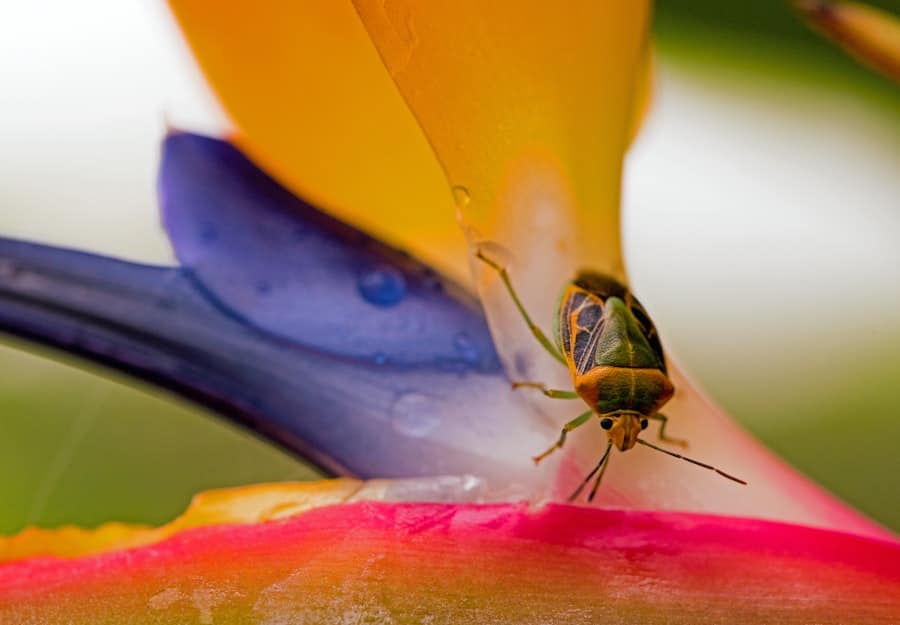
Outdoor gatherings can quickly become unpleasant when insect pests like mosquitoes, ticks, and flies invade your space. Mosquitoes are particularly notorious for ruining summer evenings with their incessant buzzing and biting. To combat these pests, consider using citronella candles or torches around your outdoor area; they emit scents that repel mosquitoes effectively.
Additionally, wearing long sleeves and using insect repellent containing DEET can provide personal protection against bites. Ticks pose another significant concern, especially if you enjoy spending time in wooded or grassy areas. To minimize your risk of tick bites, wear light-colored clothing that makes it easier to spot ticks on your body.
After spending time outdoors, conduct thorough tick checks on yourself and your pets before entering your home. If you find a tick attached to your skin, remove it promptly using fine-tipped tweezers to reduce the risk of disease transmission. Flies can also be a nuisance during outdoor activities.
Keeping food covered and disposing of trash properly can help deter flies from invading your space. You might also consider setting up fly traps or using natural repellents like vinegar solutions to keep them at bay.
Recognizing and Treating Allergic Reactions to Insect Bites
Recognizing allergic reactions to insect bites is crucial for ensuring prompt treatment and care. Symptoms can vary widely from mild redness and swelling at the bite site to more severe reactions such as hives or difficulty breathing. If you notice any unusual symptoms following an insect bite, it’s essential to seek medical attention immediately.
For those with known allergies, carrying an epinephrine auto-injector is vital for emergency situations. Treatment for mild reactions typically involves over-the-counter antihistamines or topical creams to alleviate itching and swelling. However, if you experience severe symptoms like swelling of the face or throat or difficulty breathing, call emergency services right away.
Understanding how your body reacts to insect bites will empower you to take appropriate action when necessary.
Creating a Comprehensive Pest Management Plan for Your Home
Creating a comprehensive pest management plan is essential for maintaining a pest-free environment in your home. Start by conducting regular inspections of both the interior and exterior of your property to identify potential entry points for pests. Document any signs of infestations or conditions that may attract insects so that you can address them promptly.
Incorporate preventive measures into your daily routine by keeping food stored securely and maintaining cleanliness throughout your home. Consider establishing a seasonal schedule for pest control treatments based on the types of pests prevalent in your area during different times of the year. Finally, educate yourself about local pest trends and seasonal behaviors so that you can anticipate potential issues before they arise.
By taking a proactive approach to pest management, you’ll create a safer and more comfortable living environment for yourself and your family while minimizing the risk of infestations in the future.
If you’re looking for the best pest control service in New York, check out this article for some helpful tips. Whether you’re dealing with insects, rodents, or other pests, it’s important to address the issue promptly to prevent further infestations. Bugs, Bites, and Beyond: the Comprehensive Homeowner’s Handbook on Insect Pests can provide valuable information on how to identify and eliminate common household pests. Additionally, if you’re located in Memphis, Tennessee, you may want to consider hiring a professional pest control service. For more insights on navigating pest infestations, be sure to read this comprehensive guide.
FAQs
What are some common insect pests found in homes?
Some common insect pests found in homes include ants, cockroaches, termites, bed bugs, mosquitoes, flies, and spiders.
How can I prevent insect pests from entering my home?
To prevent insect pests from entering your home, you can seal cracks and crevices, keep food stored in airtight containers, maintain a clean and clutter-free environment, and use screens on windows and doors.
What are some natural remedies for controlling insect pests?
Some natural remedies for controlling insect pests include using essential oils like peppermint or lavender, diatomaceous earth, vinegar, and citrus peels. These can be used as repellents or as part of homemade insecticide sprays.
What are the signs of a termite infestation in a home?
Signs of a termite infestation in a home include mud tubes on walls or foundation, hollow-sounding wood, discarded wings near windows and doors, and small holes in wood.
How can I safely get rid of bed bugs in my home?
To safely get rid of bed bugs in your home, you can use methods such as vacuuming, steam cleaning, and washing bedding in hot water. It’s also important to consult with a professional pest control service for more severe infestations.