
When you own or manage rental properties, the responsibility of maintaining a safe and habitable environment falls squarely on your shoulders. Among the many challenges you face, termite control is one of the most critical yet often overlooked aspects of property management. Termites can cause significant structural damage, leading to costly repairs and potential legal issues if not addressed promptly.
Understanding the importance of termite control is essential for you as a landlord or property manager, as it not only protects your investment but also ensures the safety and satisfaction of your tenants. Termites are notorious for their ability to silently wreak havoc on wooden structures, making early detection and prevention vital. As a property owner, you must be proactive in implementing effective termite control measures.
This includes regular inspections, timely treatments, and clear communication with your tenants about the risks associated with termite infestations. By prioritizing termite control, you can safeguard your property and maintain a positive relationship with your tenants, ultimately leading to a more successful rental experience.
Key Takeaways
- Landlords and property managers have legal responsibilities to prevent and address termite infestations in rental properties.
- Disclosure requirements for landlords regarding termite infestations are important to protect tenants and ensure transparency.
- Regular inspections for termite infestations are necessary to prevent and address potential issues in rental properties.
- Landlords and property managers are obligated to treat and eliminate termite infestations in rental properties to ensure the safety and well-being of tenants.
- Including termite control provisions in rental agreements can help clarify responsibilities and prevent disputes between landlords and tenants.
Legal Responsibilities of Landlords and Property Managers Regarding Termite Control
As a landlord or property manager, you have specific legal responsibilities when it comes to termite control in your rental properties. These responsibilities vary by jurisdiction but generally include ensuring that the property is free from pests and maintaining a safe living environment for your tenants. Failure to meet these obligations can lead to legal repercussions, including lawsuits and financial penalties.
It is crucial for you to familiarize yourself with local laws and regulations regarding pest control to ensure compliance. In many areas, landlords are required to take reasonable steps to prevent infestations and address any issues that arise promptly. This may involve hiring professional pest control services, conducting regular inspections, and maintaining records of any treatments performed.
By staying informed about your legal obligations, you can protect yourself from potential liabilities and create a safer living environment for your tenants.
Disclosure Requirements for Landlords Regarding Termite Infestations

Transparency is key when it comes to managing rental properties, especially regarding pest infestations like termites. Many jurisdictions require landlords to disclose any known infestations or previous treatments to prospective tenants before they sign a lease. This means that you must be upfront about any history of termite problems in your property, as failing to disclose this information could lead to legal consequences down the line.
By being honest about past infestations, you not only comply with legal requirements but also build trust with your tenants. They will appreciate your transparency and may be more likely to report any signs of termites promptly, allowing you to address the issue before it escalates. Open communication about pest control can foster a positive landlord-tenant relationship and contribute to a more harmonious living environment.
Responsibilities for Preventing Termite Infestations in Rental Properties
Preventing termite infestations is a proactive approach that can save you time, money, and stress in the long run. As a landlord or property manager, it is your responsibility to implement measures that minimize the risk of termites invading your rental properties. This includes maintaining proper drainage around the foundation, ensuring that wood is not in direct contact with soil, and keeping landscaping well-trimmed to reduce moisture buildup.
Regular maintenance is also essential in preventing infestations. You should routinely inspect the property for signs of termites, such as mud tubes or damaged wood. Additionally, consider investing in preventative treatments, such as soil barriers or bait systems, which can deter termites from making your property their home.
By taking these proactive steps, you can significantly reduce the likelihood of an infestation and protect both your investment and your tenants’ well-being.
Obligations for Treating and Eliminating Termite Infestations in Rental Properties
When a termite infestation is discovered in one of your rental properties, it is imperative that you act swiftly to treat and eliminate the problem. Your obligations typically include hiring a licensed pest control professional who can assess the situation and implement an effective treatment plan. Depending on the severity of the infestation, this may involve localized treatments or more extensive measures such as fumigation.
It is also important for you to communicate with your tenants during this process. Inform them about the steps being taken to address the infestation and provide guidance on how they can assist in minimizing damage during treatment. By keeping your tenants informed and involved, you not only demonstrate your commitment to their safety but also help ensure a smoother resolution to the issue.
Requirements for Regular Inspections for Termite Infestations in Rental Properties
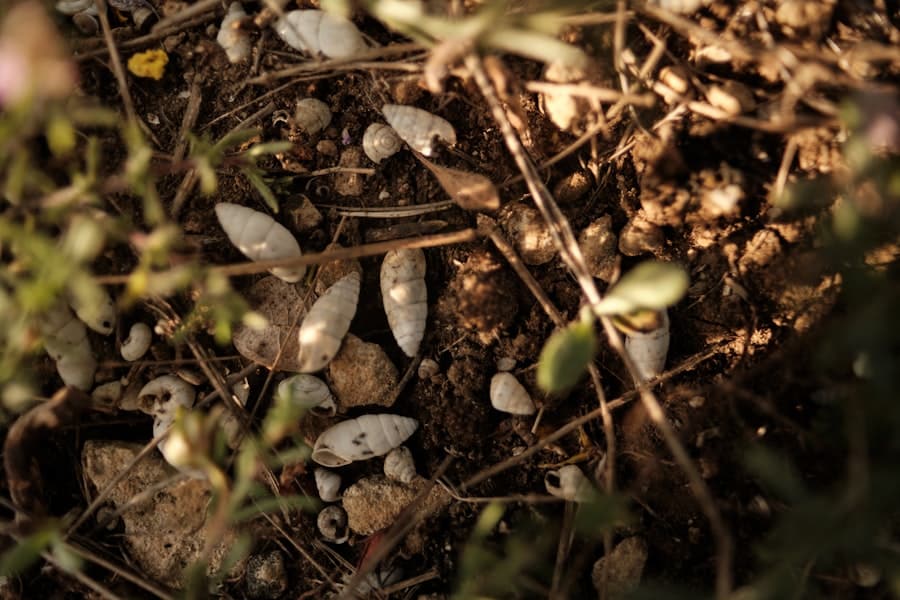
Regular inspections are a crucial component of effective termite control in rental properties. Many jurisdictions require landlords to conduct periodic inspections to identify potential infestations before they become severe. As a responsible property owner or manager, you should establish a routine inspection schedule—ideally at least once a year—to assess the condition of your property and look for signs of termites.
During these inspections, pay close attention to areas that are prone to moisture accumulation, such as basements, crawl spaces, and around plumbing fixtures. Look for signs of termite activity, including discarded wings, mud tubes, or hollow-sounding wood. If you notice any indications of an infestation, take immediate action by contacting a pest control professional.
Regular inspections not only help you stay compliant with legal requirements but also demonstrate your commitment to maintaining a safe living environment for your tenants.
Responsibilities for Repairing Termite Damage in Rental Properties
If termites have caused damage to your rental property, it is your responsibility as the landlord or property manager to address these repairs promptly. Depending on the extent of the damage, this may involve replacing structural elements such as beams or joists, repairing drywall, or addressing cosmetic issues like paint or flooring. Ignoring these repairs can lead to further deterioration of the property and may pose safety risks for your tenants.
In addition to repairing the damage caused by termites, it is essential to document all repairs made and keep records of any treatments performed. This documentation can be valuable if disputes arise with tenants or if you need to demonstrate compliance with local regulations. By taking swift action to repair termite damage and maintain thorough records, you can protect both your investment and your tenants’ safety.
Liability for Negligence in Addressing Termite Infestations in Rental Properties
Negligence in addressing termite infestations can have serious legal consequences for landlords and property managers. If you fail to take appropriate action when an infestation is reported or if you neglect regular inspections and maintenance, you may be held liable for any resulting damages or injuries. This could include financial compensation for repairs or even legal fees if tenants decide to pursue litigation against you.
To mitigate the risk of liability, it is crucial that you remain vigilant in monitoring your properties for signs of termites and respond promptly to any reports from tenants. Establishing clear communication channels with your tenants can help ensure that they feel comfortable reporting any concerns they may have about pest issues. By demonstrating diligence in managing termite control, you can protect yourself from potential legal repercussions while fostering a positive relationship with your tenants.
Options for Including Termite Control Provisions in Rental Agreements
Incorporating termite control provisions into your rental agreements can provide clarity and set expectations for both you and your tenants regarding pest management responsibilities. You may want to include clauses that outline your obligations as the landlord concerning inspections, treatments, and repairs related to termite infestations. Additionally, consider specifying tenant responsibilities, such as reporting signs of pests promptly or maintaining proper ventilation in their units.
By clearly defining these responsibilities in the rental agreement, you can help prevent misunderstandings and disputes down the line. It also reinforces the importance of termite control as part of maintaining a safe living environment. When both parties understand their roles in pest management, it can lead to a more harmonious rental experience.
Legal Consequences for Failing to Address Termite Infestations in Rental Properties
Failing to address termite infestations can result in significant legal consequences for landlords and property managers. In many jurisdictions, tenants have the right to seek compensation for damages caused by neglecting pest control responsibilities. This could include reimbursement for repairs or even relocation costs if the infestation renders the property uninhabitable.
Moreover, if a tenant decides to take legal action against you due to negligence in addressing termite issues, it could lead to costly litigation expenses and damage to your reputation as a landlord. To avoid these potential pitfalls, it is essential that you prioritize termite control measures and respond promptly when issues arise. By being proactive in managing pest control, you can protect yourself from legal repercussions while ensuring a safe living environment for your tenants.
Resources and Support for Landlords and Property Managers in Managing Termite Control in Rental Properties
Managing termite control effectively requires access to reliable resources and support systems. As a landlord or property manager, consider joining local landlord associations or real estate groups that offer educational resources on pest management best practices. These organizations often provide valuable information on local regulations regarding pest control and can connect you with reputable pest control professionals.
Additionally, online resources such as government websites or pest management associations can offer guidance on effective prevention strategies and treatment options for termite infestations. Staying informed about industry trends and best practices will empower you to make informed decisions regarding termite control in your rental properties. By leveraging available resources and support networks, you can enhance your ability to manage pest issues effectively while protecting both your investment and your tenants’ well-being.
When it comes to termite control in rental properties, landlords and property managers have a legal obligation to ensure the safety and habitability of their units. In addition to regular inspections and treatments, it is important to hire a reputable pest control service to address any infestations promptly. For those in Fremont, California, the best pest control service can provide effective solutions to keep termites at bay. Similarly, landlords in Thousand Oaks, California, can benefit from the expertise of the top pest control service in the area. And for property managers in Tucson, Arizona, the best pest control service can help maintain termite-free rental properties.
FAQs
What are the legal obligations of landlords and property managers regarding termite control in rental properties?
Landlords and property managers are generally responsible for maintaining a safe and habitable living environment for their tenants, which includes addressing any termite infestations in the rental property.
Are landlords required to conduct regular termite inspections in rental properties?
The specific requirements for termite inspections may vary by state and local laws, but landlords are generally expected to take reasonable steps to prevent and address termite infestations in their rental properties.
What should landlords do if a termite infestation is discovered in a rental property?
Landlords should promptly address any termite infestations by hiring a licensed pest control professional to inspect the property and recommend appropriate treatment. They should also communicate with the tenants about the infestation and any necessary steps they need to take.
Can landlords include a clause in the lease agreement regarding termite control responsibilities?
Landlords can include a clause in the lease agreement outlining the responsibilities of both parties regarding termite control, but they must ensure that the terms are in compliance with local landlord-tenant laws.
Are property managers liable for termite infestations in rental properties?
Property managers may be held liable for termite infestations if they were negligent in their duties to maintain the property or failed to address known termite issues. It is important for property managers to stay informed about local laws and regulations regarding termite control in rental properties.