
In the ever-evolving landscape of agriculture and pest management, innovative technologies are emerging as powerful allies in the fight against insect pests. As you navigate the complexities of modern farming, you may find that traditional methods of pest control are often insufficient to address the challenges posed by increasingly resistant insect populations. The integration of cutting-edge technologies not only enhances the efficiency of pest management strategies but also promotes sustainable practices that can benefit both your crops and the environment.
By embracing these innovations, you can position yourself at the forefront of a new era in pest control. The need for effective pest management has never been more critical. With global food production under pressure from climate change, population growth, and urbanization, the stakes are high.
You may be aware that insect pests can devastate crops, leading to significant economic losses and food insecurity. However, innovative technologies such as drones and smart devices are transforming the way you can approach pest control. These advancements offer precision, efficiency, and data-driven insights that empower you to make informed decisions in your pest management practices.
Key Takeaways
- Innovative technologies are revolutionizing insect pest control, offering new tools and methods for managing and controlling pests.
- Drones are emerging as a new and effective tool for insect pest control, offering precision and efficiency in targeting pests.
- Smart devices are playing a crucial role in revolutionizing insect pest management, providing real-time data and analysis for better decision-making.
- While drones offer advantages such as precision and efficiency, they also have limitations such as high initial costs and regulatory challenges.
- Smart devices are integral to integrated pest management, offering real-time monitoring and data analysis for effective pest control strategies.
Drones: A New Tool for Insect Pest Control
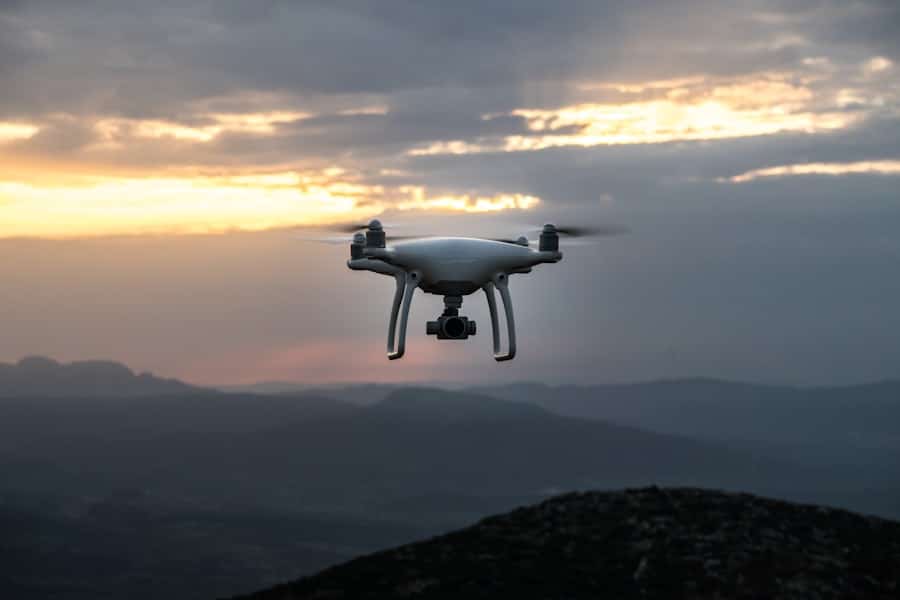
Drones have emerged as a revolutionary tool in the realm of insect pest control, providing you with a bird’s-eye view of your fields and enabling targeted interventions. Equipped with high-resolution cameras and advanced sensors, drones allow you to monitor crop health and identify pest infestations with remarkable accuracy. By utilizing aerial imagery, you can assess the extent of damage caused by pests and make timely decisions to mitigate their impact.
This capability not only saves you time but also reduces the need for widespread pesticide applications, promoting a more sustainable approach to pest management. Moreover, drones can be programmed to deliver targeted treatments directly to affected areas, minimizing chemical usage and reducing environmental impact. Imagine being able to deploy insecticides or biological control agents precisely where they are needed, rather than applying them uniformly across your entire field.
This precision application not only conserves resources but also enhances the effectiveness of your pest control efforts. As you explore the potential of drones in your pest management strategy, you may find that they offer a level of efficiency and accuracy that traditional methods simply cannot match.
Smart Devices: Revolutionizing Insect Pest Management

In addition to drones, smart devices are playing a pivotal role in revolutionizing insect pest management. These devices, often equipped with Internet of Things (IoT) technology, enable real-time monitoring and data collection from your fields. By utilizing sensors that detect environmental conditions such as temperature, humidity, and soil moisture, you can gain valuable insights into the factors that influence pest populations.
This data-driven approach allows you to anticipate pest outbreaks and implement preventive measures before infestations occur. Furthermore, smart devices can facilitate communication between different components of your pest management system. For instance, you might use a network of sensors to track pest activity and relay that information to your smartphone or computer.
This connectivity empowers you to make informed decisions on-the-go, ensuring that you remain proactive in your pest control efforts. As you integrate smart devices into your pest management practices, you’ll likely discover that they enhance your ability to respond swiftly to changing conditions and emerging threats.
Advantages and Limitations of Using Drones for Insect Pest Control
While drones offer numerous advantages in insect pest control, it is essential to consider their limitations as well. One of the primary benefits of using drones is their ability to cover large areas quickly and efficiently. This capability allows you to monitor extensive fields without the labor-intensive processes associated with traditional scouting methods.
Additionally, drones can access hard-to-reach areas, providing you with a comprehensive view of your crops and enabling you to identify issues that may otherwise go unnoticed. However, there are challenges associated with drone usage that you should be aware of. Regulatory restrictions may limit where and how drones can be operated, particularly in urban areas or near airports.
Additionally, the initial investment in drone technology can be significant, which may pose a barrier for some farmers. Furthermore, while drones can provide valuable data, interpreting that data requires expertise and experience. As you weigh the advantages against the limitations, it becomes clear that while drones are a powerful tool in your pest management arsenal, they should be used in conjunction with other methods for optimal results.
The Role of Smart Devices in Integrated Pest Management
Smart devices play a crucial role in integrated pest management (IPM), a holistic approach that combines various strategies to control pests while minimizing environmental impact. By incorporating smart technology into your IPM practices, you can enhance your ability to monitor pest populations and make data-driven decisions. For instance, smart traps equipped with sensors can detect insect activity and send alerts directly to your device when pests are present.
This real-time monitoring allows you to respond promptly and effectively. Moreover, smart devices can facilitate collaboration among different stakeholders in the agricultural ecosystem. You might find that sharing data with agronomists or extension services enhances your understanding of pest dynamics and improves your overall management strategy.
By leveraging the power of smart technology within an IPM framework, you can create a more resilient agricultural system that adapts to changing conditions while minimizing reliance on chemical interventions.
Case Studies: Successful Implementation of Innovative Technologies in Insect Pest Control
Examining case studies of successful implementations of innovative technologies can provide valuable insights into how these tools can be effectively utilized in insect pest control. For instance, a recent project in California showcased how farmers used drones equipped with multispectral cameras to monitor vineyards for grapevine pests. By analyzing the data collected from aerial imagery, farmers were able to identify areas with high pest pressure and apply targeted treatments accordingly.
This approach not only reduced pesticide usage but also improved crop yields significantly. Another compelling example comes from a rice farming community in Southeast Asia that adopted smart traps connected to a mobile app for monitoring rice pests. The app provided real-time data on pest populations and allowed farmers to share information with one another.
As a result, they were able to coordinate their pest management efforts more effectively and reduce overall pesticide applications by 30%. These case studies illustrate how innovative technologies can lead to tangible improvements in pest control outcomes while promoting sustainable practices.
Future Developments and Potential Applications of Innovative Technologies in Insect Pest Control
As you look toward the future of insect pest control, it is clear that innovative technologies will continue to evolve and expand their applications. One promising area of development is the integration of artificial intelligence (AI) into pest management systems. AI algorithms can analyze vast amounts of data collected from drones and smart devices to predict pest outbreaks with greater accuracy than ever before.
This predictive capability could revolutionize how you approach pest management by allowing for proactive interventions rather than reactive measures. Additionally, advancements in biotechnology may lead to the development of new biological control agents that can be deployed using drones or smart devices. Imagine being able to release beneficial insects or microbial agents precisely when and where they are needed most.
This synergy between technology and biological control could pave the way for more sustainable pest management practices that align with environmental conservation goals.
Embracing Innovation in Insect Pest Management
In conclusion, embracing innovative technologies for insect pest management is not just an option; it is becoming a necessity in today’s agricultural landscape. As you navigate the challenges posed by insect pests, integrating tools such as drones and smart devices into your practices can enhance your ability to monitor, manage, and mitigate pest populations effectively. The advantages offered by these technologies—precision application, real-time monitoring, and data-driven decision-making—position you for success in an increasingly competitive market.
As you consider the future of pest management, remember that innovation is key to sustainability and resilience in agriculture. By staying informed about emerging technologies and their potential applications, you can ensure that your pest management strategies remain effective while minimizing environmental impact. Embracing these innovations will not only benefit your crops but also contribute to a more sustainable agricultural system for generations to come.
Are There Innovative Technologies, Such as Drones or Smart Devices, for Controlling Insect Pests? If you are interested in protecting your vintage treasures from pests, you may want to check out this article on protecting your vintage treasures from pests. It offers valuable tips and insights on how to keep your antiques safe from insect pests.
FAQs
What are some innovative technologies for controlling insect pests?
Some innovative technologies for controlling insect pests include drones, smart devices, genetic modification, and biopesticides.
How do drones help in controlling insect pests?
Drones can be used to monitor and map insect pest populations, deliver targeted pesticide applications, and even release sterile insects to disrupt breeding patterns.
What are smart devices and how do they help in pest control?
Smart devices, such as sensors and automated traps, can be used to monitor insect pest activity and provide real-time data for more precise and efficient pest control strategies.
How is genetic modification used in controlling insect pests?
Genetic modification can be used to develop insect-resistant crops, as well as to create sterile insect strains that can be released to reduce pest populations.
What are biopesticides and how are they used in pest control?
Biopesticides are naturally occurring substances derived from animals, plants, bacteria, and certain minerals that can be used to control insect pests in an environmentally friendly manner.