
Antiques Vs. Ants: Protecting Your Vintage Treasures From Pests
What do you cherish more: your vintage treasures or those pesky little ants that seem to invade your space at the worst possible moments? If you’re like many, the value you place on your antiques makes it crucial to protect them from pests. This guide will help you understand the battle between antiques and ants, offering practical tips to safeguard your cherished items.
Understanding Antiques and Their Value
Antiques, often defined as over 100 years old, hold sentimental and monetary value. These treasures can range from furniture and artwork to collectibles and jewelry. Understanding what makes these items so treasured can guide you in protecting them.
The Significance of Antiques
- Historical Value: Each antique tells a story, offering insight into the past. Owning an antique can be like possessing a piece of history.
- Monetary Worth: Valuable antiques can be appreciated over time, making them a good investment.
- Sentimental Attachment: Many antiques have been passed down through generations, holding family memories that deepen their value.
By understanding the significance of antiques, you can appreciate why protecting them against pests is essential.
The Threat of Ants
While often dismissed as minor nuisances, ants can severely threaten antiques. Many people think of ants as simply bothersome insects; however, understanding their behavior and motives reveals why they can harm your vintage treasures.
Types of Ants That Can Damage Antiques
The two main types of ants that you should worry about include:
- Carpenter Ants:
- Habitat: Prefer moist, decaying wood.
- Damage: They create nests inside wooden structures, leading to damage similar to termites.
- Sugar Ants:
- Habitat: Drawn to food sources and sweet substances.
- Damage: While they don’t typically damage antiques directly, their presence can lead to issues, especially if they are attracted to a food residue on or near your vintage items.
It’s important to note that while not all ants cause direct harm, their presence can indicate underlying issues that should be addressed.
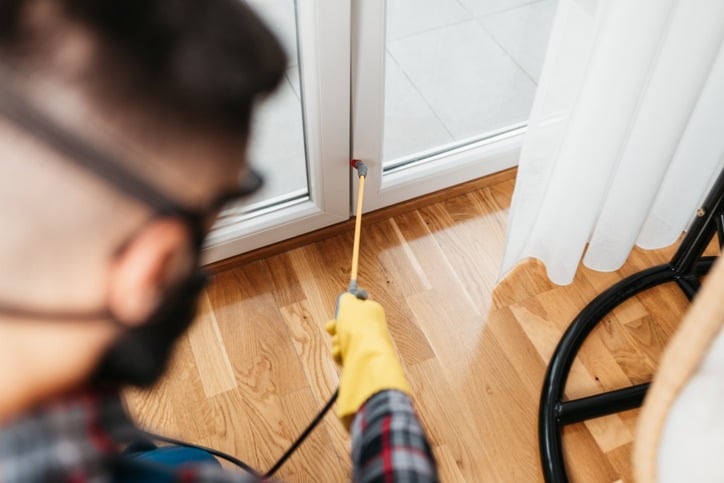
Signs of Ant Infestation
Recognizing an ant infestation early on can make a significant difference in protecting your antiques. Look for the following signs:
Visual Signs
- Ant Trails: You may notice line patterns on walls or floors where ants frequently travel.
- Nesting Sites: Look for small holes in wooden items or debris around furniture that might indicate nesting.
Behavioral Signs
- Increased Activity: Noticing more ants than usual could signify that they are scouring for food or nesting nearby.
- Damage to Items: Test antique furniture for soft spots, particularly if you suspect carpenter ants.
By being vigilant and knowing what signs to look for, you can take action before any damage occurs.
Preventing Ant Infestations
Prevention is key to protecting your antiques. Taking proactive measures can help create an environment that is less inviting to ants.
Keeping Your Antique Space Clean
- Food Safety: Keep food items sealed and stored away from antique furniture.
- Regular Cleaning: Dust and vacuum regularly to remove crumbs and food particles that could attract ants.
Seal Entry Points
Could you check for cracks or gaps in windows, doors, or walls? Sealing these entry points can help block ants from entering your home and getting too close to your valuable items.
Maintain a Dry Environment
Ants, particularly carpenter ants, thrive in moist environments. Here are some suggestions:
- Humidity Control: Use dehumidifiers in damp basements or attics where antiques are stored.
- Plumbing Maintenance: Address any leaks promptly to reduce moisture at the source.

Proper Antique Storage
How you store your antiques can significantly impact their longevity and susceptibility to pests. Please look at these strategies to ensure they remain safe and sound.
Choosing the Right Location
- Climate Control: Store antiques in spaces with stable temperatures and humidity levels. Extreme changes can damage items, while the right environment prevents pest attraction.
- Avoid Basements and Attics: If possible, keep antiques in more controlled home areas, as these spaces can trap moisture.
Using Appropriate Containers
- Respect the Material: Use acid-free boxes for paper items like photographs and documents to prevent degradation.
- Furniture Protection: Consider using breathable covers on upholstered antiques to keep them clean without trapping moisture.
Regular Checks
Schedule regular inspections of your stored antiques. Look for signs of pests or moisture damage and address any issues immediately.
Dealing with Existing Ant Problems
If you encounter an ant infestation, don’t panic! Here’s how to effectively deal with existing problems while protecting your valuable items.
Identify the Ant Type
Understanding the ant species can help tailor a suitable response. Knowing whether you are dealing with carpenter ants or sugar ants can dictate your approach to removal.
DIY Solutions
Before you resort to chemical treatments, consider these more natural methods:
- Vinegar Solution: Mix equal parts vinegar and water in a spray bottle and apply it to ant trails. This disrupts their pheromone signals.
- Diatomaceous Earth: This dust can be spread in areas where you notice ants. It’s safe for humans and pets but deadly for ants.
Professional Help
If the infestation continues despite your best efforts, it may be time for you to call in professionals. Pest control experts can assess the situation and apply more potent treatments safely.
Protecting Antiques During Treatment
While you work on eradicating ants, it is critical to protect your antiques. Take the following steps to ensure their safety:
Move Items to a Safe Location
If possible, temporarily relocate antiques away from treatment areas. This will protect them from exposure to chemicals and allow for easier treatment of the affected area.
Cover and Wrap Items
Cover your antiques with drop cloths or plastic sheets to shield them from dust and chemical exposure during treatment.
Limit Access
Seal off areas where treatment is taking place to prevent ants from returning. Consider closing doors and windows and monitoring for re-entry.
Long-Term Solutions
After addressing the immediate problem, consider long-term practices to keep your antiques safe from pests in the future.
Regular Inspections and Maintenance
You should periodically inspect your antiques and the areas where they are stored. This vigilance can help catch potential problems before they escalate.
Establish an Ant Management Plan
Develop a systematic approach to managing ants, which can include:
- Scheduled Cleaning: Regularly scheduled cleaning sessions to keep your space tidy.
- Preventative Pest Control: Consider routine treatments from pest professionals.
Join Antique Preservation Organizations
Engaging with organizations focused on antique preservation can provide you with valuable resources and community support.

Protecting your antique treasures from ants is an ongoing journey that requires knowledge, vigilance, and proactive measures. By understanding your antiques and their value, recognizing the signs of ant infestations, and applying effective prevention strategies, you can ensure your cherished items are safe from harm.
Remember, the right approach makes the battle between antiques and ants manageable. And with a little effort, your vintage treasures will continue to tell their stories for generations to come!
==========
Content 10/10/G