
When you think of pest control, your mind might immediately jump to insects like ants or cockroaches. However, small animals can also pose significant challenges in and around your home. From rodents to raccoons, these creatures can cause damage, spread disease, and create an uncomfortable living environment.
Understanding how to manage these small animal pests is crucial for maintaining a safe and healthy home. You may find that a proactive approach not only protects your property but also enhances your peace of mind. Small animal pest control encompasses a variety of strategies aimed at managing and mitigating the presence of these unwelcome guests.
It involves identifying the types of pests that may invade your space, understanding their behaviors, and implementing effective control measures. Whether you are dealing with mice scurrying through your kitchen or squirrels nesting in your attic, knowing how to address these issues can save you time, money, and stress in the long run.
Key Takeaways
- Small animal pests can cause damage and pose health risks in homes, making pest control essential.
- Common small animal pests in the home include rodents, insects, and other wildlife that can be a nuisance.
- Home remedies such as sealing entry points, keeping a clean environment, and using traps can help control small animal pests.
- DIY solutions like setting up barriers, using repellents, and maintaining outdoor areas can effectively control small animal pests.
- Natural repellents like peppermint oil, vinegar, and citrus can be used to deter small animal pests from entering the home.
Common Small Animal Pests in the Home
As you navigate the world of small animal pest control, it’s essential to familiarize yourself with the most common culprits that may invade your home. Rodents, such as mice and rats, are perhaps the most notorious small animal pests. They are adept at finding their way into homes through tiny openings and can reproduce rapidly, leading to significant infestations if not addressed promptly.
Their presence can lead to property damage as they gnaw on wires, insulation, and even food supplies. In addition to rodents, you may encounter other small animal pests like squirrels, raccoons, and opossums. Squirrels often invade attics or roofs in search of nesting sites, while raccoons are known for rummaging through garbage cans and creating a mess in your yard.
Opossums, although less common, can also find their way into garages or basements. Each of these animals brings its own set of challenges and potential health risks, making it vital for you to recognize their signs and take appropriate action.
Home Remedies for Small Animal Pest Control
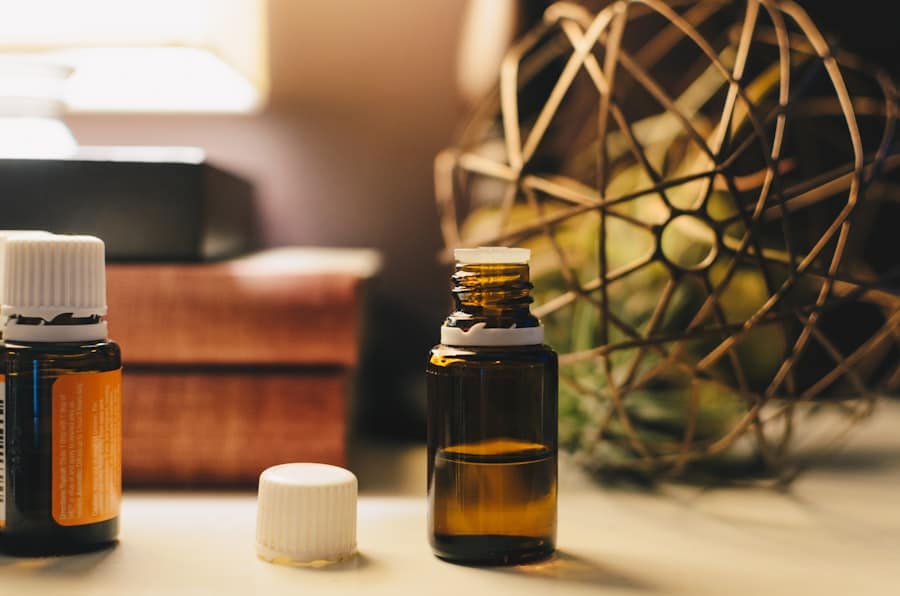
If you find yourself facing a small animal pest problem, you might be tempted to reach for commercial pest control products. However, there are several home remedies that can be effective in managing these nuisances without resorting to harsh chemicals. One popular method is using peppermint oil as a deterrent.
The strong scent of peppermint is known to repel rodents, making it an excellent natural option for keeping them at bay. You can soak cotton balls in peppermint oil and place them in areas where you suspect rodent activity. Another effective home remedy involves using a mixture of vinegar and water.
This solution can be sprayed around entry points or areas where you’ve noticed pest activity. The strong odor of vinegar can deter many small animals from entering your space. Additionally, keeping your home clean and free of food debris is crucial; small animals are often attracted to easy food sources.
By maintaining a tidy environment, you can significantly reduce the likelihood of an infestation.
DIY Solutions for Small Animal Pest Control
For those who enjoy hands-on projects, DIY solutions for small animal pest control can be both satisfying and effective. One common approach is creating homemade traps for rodents. You can use simple materials like a bucket and some bait to design a trap that captures mice without harming them.
This method allows you to relocate the captured animals safely away from your home. Another DIY solution involves sealing entry points to prevent small animals from gaining access to your living space. Inspect your home for gaps around windows, doors, and foundations, and use materials like steel wool or caulk to seal these openings.
This proactive measure not only keeps pests out but also enhances your home’s energy efficiency by preventing drafts.
Natural Repellents for Small Animal Pests
In addition to home remedies and DIY solutions, there are various natural repellents that can help keep small animal pests at bay. One such repellent is cayenne pepper, which can be sprinkled around entry points or areas where you’ve noticed pest activity. The strong scent and taste of cayenne pepper can deter rodents and other small animals from entering your home.
Essential oils are another excellent option for natural pest control. Oils like eucalyptus, citronella, and lavender have been shown to repel various small animals. You can create a spray by diluting these oils in water and applying them around your home’s perimeter or in areas where pests are likely to enter.
Not only do these natural repellents help keep pests away, but they also leave your home smelling pleasant.
Prevention Tips for Small Animal Pest Control

Preventing small animal pests from invading your home is often more effective than trying to eliminate them once they’ve settled in. One of the most important prevention tips is to maintain a clean environment both inside and outside your home. Regularly cleaning up food spills, securing trash cans with tight-fitting lids, and storing food in airtight containers can significantly reduce the attraction for pests.
Additionally, landscaping plays a crucial role in pest prevention. Trim back overgrown shrubs and trees that may provide shelter for small animals near your home’s foundation. Keeping firewood stacked away from the house and ensuring that outdoor structures are well-maintained can also deter pests from making themselves at home in your yard.
Risks and Considerations of DIY Pest Control
While DIY pest control methods can be effective and cost-efficient, there are risks and considerations you should keep in mind before embarking on this journey. One significant concern is the potential for injury or harm when handling traps or chemicals. If you’re not careful, you could inadvertently harm yourself or other non-target animals while attempting to manage a pest problem.
Moreover, some DIY solutions may not be as effective as commercial products or professional services. If you find that your efforts are not yielding results after a reasonable amount of time, it may be wise to reconsider your approach. Understanding when to seek professional help is crucial; sometimes, the expertise of a trained pest control technician is necessary to address more severe infestations effectively.
When to Call a Professional for Small Animal Pest Control
Knowing when to call in the professionals is an essential aspect of managing small animal pests effectively. If you’ve tried various DIY methods without success or if you’re dealing with a significant infestation, it’s time to reach out for expert assistance. Professionals have access to specialized tools and techniques that can address pest problems more efficiently than most DIY methods.
Additionally, if you encounter larger animals like raccoons or skunks that pose a risk to your safety or property, it’s best to leave the situation to trained wildlife control experts. These professionals understand local laws regarding wildlife removal and can handle the situation safely and humanely. Ultimately, recognizing when to seek help can save you time, stress, and potential damage to your home.
In conclusion, managing small animal pests requires a multifaceted approach that includes understanding common pests, employing home remedies and DIY solutions, utilizing natural repellents, and implementing preventive measures. While DIY methods can be effective for minor issues, knowing when to call in professionals is crucial for more significant infestations or safety concerns. By taking proactive steps and remaining vigilant, you can create a pest-free environment that allows you to enjoy your home without worry.
If you are looking for professional pest control services in Hialeah, Florida, you may want to check out this link. Whether you are dealing with small animal pests or other types of pests, it’s always best to consult with experts for effective solutions.
FAQs
What are some home remedies for small animal pest control?
Some common home remedies for small animal pest control include using peppermint oil, vinegar, or cayenne pepper to deter pests. Additionally, sealing off entry points and keeping a clean and clutter-free environment can help prevent small animal pests from entering your home.
Are there any DIY solutions for small animal pest control?
DIY solutions for small animal pest control include creating homemade traps using household items such as buckets, cardboard tubes, or plastic bottles. Additionally, using natural repellents such as predator urine or planting pest-repelling plants in your garden can help deter small animal pests.
What are some natural ways to control small animal pests?
Natural ways to control small animal pests include using natural predators such as owls or snakes to keep pest populations in check. Additionally, introducing barriers such as fencing or netting can help prevent small animal pests from accessing your garden or home.