
Have you ever walked into your kitchen and found tiny little invaders snacking on your groceries? If so, you’re definitely not alone! Pests can turn a cozy home into an unwelcome nightmare. But don’t worry; with a few expert insights, you can create a pest-resistant haven that keeps those uninvited guests at bay.
Understanding the Common Pests
Let’s kick things off by getting familiar with the pests that commonly invade homes. Each type of pest has its habits and preferences. By knowing more about them, you’ll have better success in keeping them out.
Ants
Have you noticed a line of ants marching proudly across your kitchen counter? Ants are social creatures; when they find food, they bring their friends along for a feast. They can slip through tiny cracks and gaps, making them difficult to deter.
Rodents
Rats and mice are more than just unsettling; they can also pose health risks. These furry little critters are known to gnaw through wires and insulation. Catching just one may mean there are many more hiding nearby.
Cockroaches
Cockroaches are notorious for their ability to multiply quickly. They love dark, warm spaces and are often found in kitchens and bathrooms. If you see one during the day, it may indicate a larger problem, as they are primarily nocturnal.
Termites
Termites can be especially debilitating, silently eating away at wood structures. Their colonies can be large and persistent, making early detection essential for protecting your home.
Bed Bugs
Bed bugs are elusive and can hitch a ride in your luggage or on clothing. These tiny pests can turn a restful night into a sleepless, itchy ordeal.
Signs of Infestation
Being aware of the signs of an infestation can help you act swiftly before a problem becomes overwhelming. Let’s identify what to look for.
For Ants
- Visible trails: Look for tiny, moving lines of ants on walls or countertops.
- Nesting sites: Check behind appliances and in dark corners.
For Rodents
- Droppings: Finding small droppings near food sources is a telltale sign.
- Gnaw marks: Rodents leave behind marks on furniture, walls, and food packaging.
For Cockroaches
- Shed skins: If you see brown, translucent skins, it means they’re multiplying.
- Foul odor: A musty smell could indicate an infestation.
For Termites
- Mud tubes: Look for small tubes made of soil on your home’s foundation.
- Swarmers: If you spot flying insects, it might be a sign of a termite colony nearby.
For Bed Bugs
- Bites: Red, itchy welts can appear after you’ve been bitten.
- Rusty stains: Look for tiny blood spots on your sheets or mattresses.
Preventative Measures
Now that you’ve identified common pests and their signs, let’s discuss preventive measures. The key here is to be proactive.
Sealing Entry Points
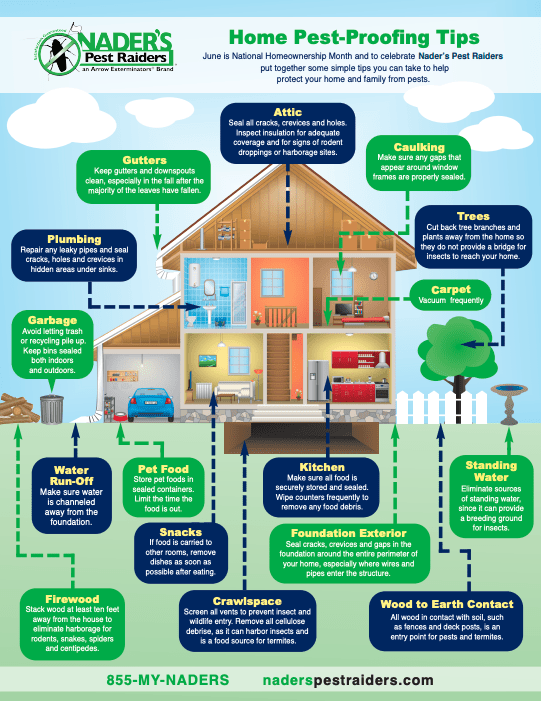
You can make a significant impact by sealing entry points. Pests often sneak in through small openings. Here’s a breakdown:
| Entry Point | Recommended Action |
|---|---|
| Gaps around doors | Install door sweeps and weather stripping. |
| Cracks in walls | Use caulk or sealant to fill gaps. |
| Vents and ducts | Install fine mesh screens to keep pests out. |
Proper Food Storage
Food is a major attractor for pests. Ensure you’re storing food properly to reduce attraction.
- Use airtight containers: This keeps food fresh and prevents pests from accessing it.
- Clean spills immediately: Crumbs and spills can attract ants and roaches.
Regular Cleaning
A clean home is an unwelcoming space for pests. Adopt these regular cleaning habits:
- Vacuum regularly: Pay extra attention to corners and under furniture.
- Wipe down surfaces: Use a cleaning solution to eliminate food residues.
Managing Outdoor Areas
Outdoor areas can invite pests into your home.
- Trim vegetation: Keep shrubs away from the house to reduce pest access.
- Remove standing water: Mosquitoes are attracted to stagnant water, so regularly check outdoor pots and birdbaths.
Natural Pest Control Methods
If you’d prefer to minimize chemical use, there are plenty of natural pest control methods available. Consider how these options may work for your home.
Essential Oils
Many essential oils have pest-repelling properties.
| Essential Oil | Pest Deterrent |
|---|---|
| Peppermint | Repels ants and spiders |
| Tea Tree Oil | Deters ticks and bugs |
| Lavender | Keeps moths and flies away |
Using a few drops in a spray bottle with water can create a natural deterrent.
Diatomaceous Earth (DE)
Diatomaceous Earth is a natural substance that can help in controlling pests. It’s made from tiny fossilized aquatic organisms and works by dehydrating insects upon contact. Simply sprinkle food-grade DE in areas where pests are seen.
Garlic Spray
Garlic isn’t just a kitchen staple; it’s also a natural insect repellant. You can make a garlic spray by blending garlic cloves with water, straining the mixture, and using it in a spray bottle. Spray it on areas where you suspect pests might enter.
Companion Planting
Creating a garden that naturally repels pests can be beneficial. For instance, marigolds deter aphids, and basil can keep flies and mosquitoes at bay. Planting these alongside your veggies could keep harmful pests away.
Professional Pest Control Options
While there are many avenues for DIY pest control, sometimes professional assistance is necessary. Here are some options to consider.
Pest Control Services
Hiring a pest control service can provide targeted solutions:
- Inspection: Professionals can conduct a thorough inspection to identify problem areas.
- Treatment: Targeted treatments such as sprays or baits can help eliminate infestations.
Integrated Pest Management (IPM)
Many pest control companies utilize IPM strategies. This holistic approach combines multiple techniques to control and prevent pests, focusing on long-term solutions.
- Monitoring: Regularly checking for pest activity helps to catch infestations early.
- Cultural Practices: This can include ensuring good sanitation, food storage, and proper landscaping.
Seasonal Pest Control Tips
Pest activity can vary depending on the season. Knowing what to look for throughout the year can help you stay ahead of any infestations.
Spring
Spring often awakens many pests. As the weather warms up, rodents and ants become active.
- Inspect the exterior: Look for potential entry points and seal them.
- Check for standing water: As rain increases, eliminate any pooled water around your home.
Summer
Summer brings heat and humidity, making conditions ideal for pests like mosquitoes and flies.
- Keep windows and doors closed: Use screens to keep pests out, especially during evenings.
- Maintain landscaping: Regularly trim hedges and remove debris from your yard.
Fall
In the fall, pests start seeking warmth as temperatures drop. Rodents, in particular, can become a problem.
- Clean up: Remove food sources such as bird seed or fallen fruit from your yard.
- Inspect indoors: Check your home for any gaps or cracks that need sealing.
Winter
While many pests go dormant, some can still cause issues indoors, especially cockroaches and mice.
- Store food securely: Ensure all pantry items are in airtight containers.
- Keep your home tidy: Regularly vacuum and clean to eliminate hiding spots.

Dealing with Pests Effectively
If you do encounter a pest problem, knowing how to effectively deal with it can make all the difference.
Identifying the Pest
Taking note of the pest’s appearance and behavior can help in identifying the best control method. If needed, you can reach out to local pest control experts for assistance.
Treatment and Elimination
Once you’ve identified the pest, look into both natural and chemical-based treatment options. Each has its benefits and could be suitable depending on the severity of the infestation.
Ongoing Monitoring
It’s important not to let your guard down after eliminating pests. Continual monitoring of your home will help ensure that pests don’t return.
Conclusion
Keeping your home pest-free is an ongoing journey that requires vigilance, preventative measures, and sometimes a little help. By understanding the common pests, their signs, and effective strategies for prevention and control, you can create a welcoming environment devoid of unwelcome guests. With a little effort and a dose of knowledge, you have the tools to make your home a pest-resistant haven.
Feel empowered knowing that you can take actionable steps to defend your home against pests! Your diligent efforts will surely pay off, providing you with peace of mind in your living space. Remember, a little prevention goes a long way in pest control!
