
When you think about pests, your mind might immediately jump to insects like ants or cockroaches. However, small animal pests can be just as troublesome, if not more so. These creatures, which include rodents and certain types of wildlife, can invade your home, causing damage and posing health risks.
Understanding what constitutes a small animal pest is crucial for effective management. These animals often seek shelter, food, and warmth, especially during colder months, making your home an attractive target. Small animal pests can vary widely in size and behavior.
Common examples include mice, rats, squirrels, and raccoons. Each of these animals has unique habits and characteristics that influence how they interact with human environments. For instance, while mice are known for their ability to squeeze through tiny openings, raccoons are more adept at raiding garbage cans.
By familiarizing yourself with these creatures, you can better prepare yourself to identify and manage any potential infestations.
Key Takeaways
- Small animal pests can include rodents, insects, and other unwanted creatures that can cause damage and spread disease.
- Common small animal pests in homes include mice, rats, cockroaches, ants, and spiders.
- Signs of small animal pests in your home can include droppings, gnaw marks, nests, and unusual pet behavior.
- Prevention and control measures for small animal pests include sealing entry points, keeping a clean home, and using traps and baits.
- Professional pest control services can provide effective and long-term solutions for small animal pest infestations.
Common Small Animal Pests in Homes
In many households, the most frequently encountered small animal pests are rodents. Mice and rats are notorious for their ability to reproduce quickly and adapt to various environments. They often enter homes through small cracks and gaps in walls or foundations, seeking food and nesting materials.
Once inside, they can cause significant damage by gnawing on wires, insulation, and even structural elements of your home. Their droppings can also pose health risks, as they may carry diseases that can affect humans. Another common small animal pest is the squirrel.
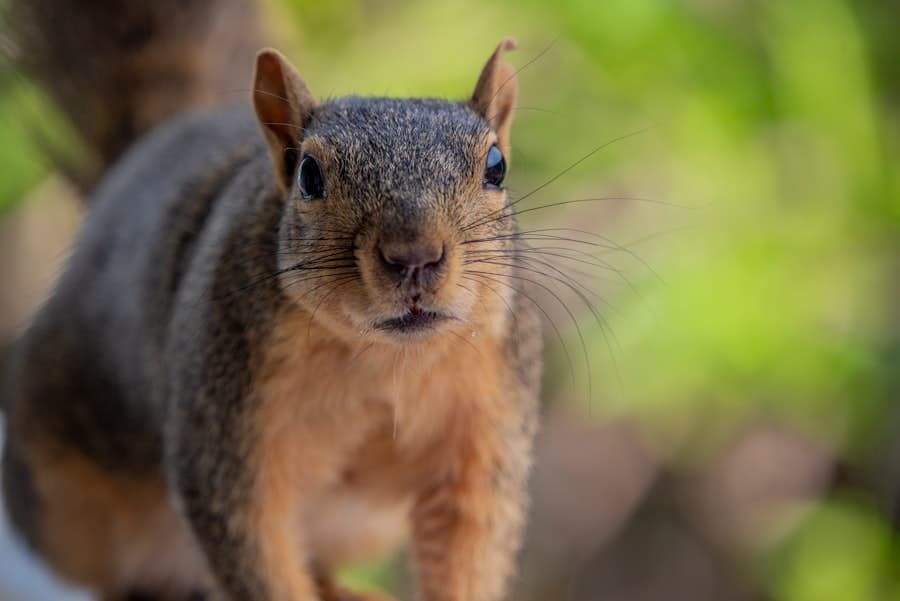
While they are often seen as cute and harmless in the wild, squirrels can become a nuisance when they invade attics or roofs. They are skilled climbers and can easily access your home through overhanging branches or damaged eaves. Once inside, they may chew on electrical wiring or insulation, leading to costly repairs.
Additionally, raccoons are known for their intelligence and dexterity, making them adept at opening trash cans and accessing food sources in urban areas.
Signs of Small Animal Pests in Your Home
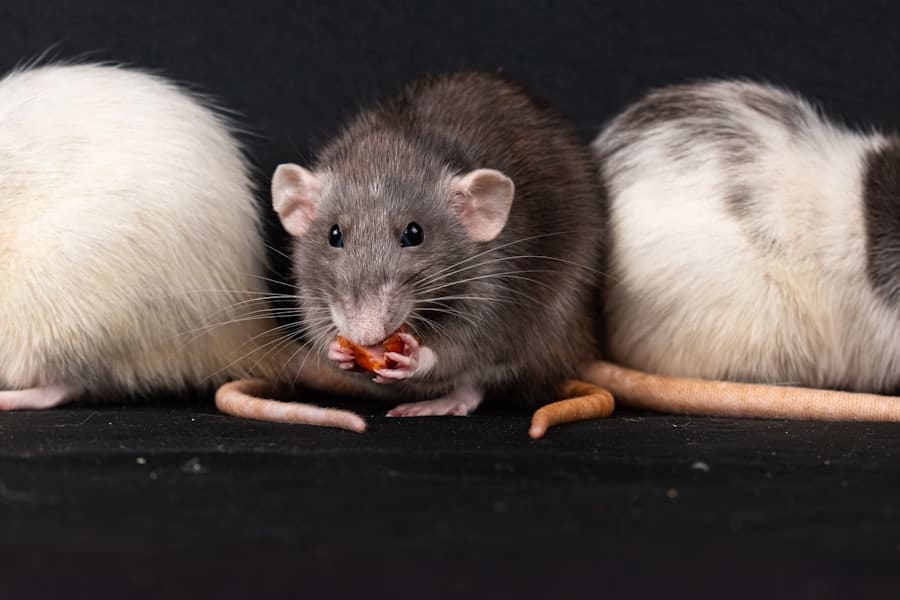
Recognizing the signs of small animal pests is essential for early detection and intervention. One of the most obvious indicators is the presence of droppings. Rodent droppings are typically small and dark, often found near food sources or nesting areas.
If you notice these droppings in your kitchen or pantry, it’s a clear sign that you may have a rodent problem. Additionally, you might find gnaw marks on furniture or walls, which indicate that these pests are actively chewing their way through your home. Another sign to watch for is unusual noises coming from walls or ceilings.
Scratching sounds at night could suggest that rodents are scurrying about in search of food or nesting materials. You may also notice nests made from shredded paper or fabric in hidden corners of your home. If you see any of these signs, it’s crucial to take action promptly to prevent a more significant infestation from developing.
Prevention and Control Measures for Small Animal Pests
Preventing small animal pests from entering your home is often more effective than dealing with an infestation after it occurs. One of the first steps you can take is to seal any potential entry points. Inspect your home for cracks in the foundation, gaps around windows and doors, and holes in walls.
Use caulk or steel wool to seal these openings effectively. Additionally, ensure that vents and chimneys have proper screens to keep pests out while allowing ventilation. Another important prevention measure is to maintain cleanliness in your home.
Small animals are attracted to food sources, so keeping your kitchen tidy is essential. Store food in airtight containers and promptly clean up spills or crumbs. Regularly take out the trash and ensure that outdoor garbage bins are securely closed.
By eliminating potential food sources and hiding places, you can significantly reduce the likelihood of attracting small animal pests.
Professional Pest Control Services
While DIY methods can be effective for managing small animal pests, there are times when professional pest control services are necessary. If you find yourself facing a significant infestation or if your attempts at control have been unsuccessful, enlisting the help of experts may be the best course of action. Pest control professionals have the training and experience to identify the specific type of pest you’re dealing with and implement targeted strategies for removal.
Moreover, professional services often use advanced techniques and tools that may not be available to the average homeowner. They can conduct thorough inspections to locate nests and entry points that you might have missed. Additionally, pest control experts can provide ongoing monitoring and preventive measures to ensure that small animal pests do not return after removal.
DIY Methods for Managing Small Animal Pests
If you prefer a hands-on approach to managing small animal pests, there are several DIY methods you can employ. Traps are one of the most common tools used for catching rodents like mice and rats. Snap traps are effective for quick kills, while live traps allow you to capture animals unharmed for relocation.
When using traps, it’s essential to place them in areas where you’ve noticed signs of activity, such as droppings or gnaw marks. Another DIY method involves using natural repellents to deter small animals from entering your home. For instance, peppermint oil is known to repel mice due to its strong scent.
You can soak cotton balls in peppermint oil and place them in areas where you suspect rodent activity. Additionally, keeping your yard well-maintained by trimming overgrown vegetation can help reduce hiding spots for pests like squirrels and raccoons.
Dealing with Small Animal Pest Infestations
If you discover that your home has already been infested with small animal pests, it’s crucial to act quickly to minimize damage and health risks. Start by identifying the type of pest you’re dealing with; this will inform your approach to removal. For example, if you’re dealing with rodents, setting traps or using bait stations may be necessary.
If raccoons or squirrels have invaded your attic, it may require a different strategy altogether. Once you’ve implemented removal methods, it’s essential to clean up any mess left behind by the pests. This includes removing droppings and nesting materials while taking precautions to protect yourself from potential health hazards.
Wear gloves and a mask during cleanup to avoid inhaling dust or allergens. After cleaning, consider using disinfectants to sanitize affected areas thoroughly.
Long-Term Strategies for Keeping Small Animal Pests Out
To ensure that small animal pests do not return after an infestation has been dealt with, it’s vital to adopt long-term strategies for prevention. Regularly inspect your home for new entry points and seal them promptly as they appear. Additionally, consider implementing a routine cleaning schedule that focuses on areas where food is stored or consumed.
Creating a barrier around your property can also help deter small animals from approaching your home in the first place. This might involve installing fencing or using landscaping techniques that make it less appealing for pests to venture close to your house. By combining these strategies with ongoing vigilance and maintenance, you can create an environment that is less hospitable to small animal pests.
In conclusion, understanding small animal pests is the first step toward effective management and prevention. By recognizing common types of pests, identifying signs of their presence, and implementing both DIY methods and professional services when necessary, you can protect your home from these unwelcome invaders. With proactive measures and long-term strategies in place, you can enjoy a pest-free living environment for years to come.
If you are looking for more information on protecting your home and family from pests, check out this article on Pest Control 101: Protecting Your Home and Family. This article provides valuable tips and strategies for keeping your home pest-free and your family safe. It is a great resource to complement the information provided in Nesting Nuisances: Addressing Small Animal Pests in Your Home.
FAQs
What are small animal pests?
Small animal pests are typically rodents, insects, or other small creatures that invade homes and cause damage or nuisance to the residents. This can include mice, rats, ants, cockroaches, and other similar creatures.
What are the common signs of small animal pests in the home?
Common signs of small animal pests in the home include droppings, gnaw marks on food packaging or furniture, nests or burrows in hidden areas, and the presence of the pests themselves, such as seeing mice scurrying across the floor or ants marching in a line.
How can small animal pests be prevented from entering the home?
To prevent small animal pests from entering the home, it’s important to seal off any entry points, such as cracks in the foundation, gaps around doors and windows, and openings around utility lines. Keeping the home clean and free of food debris can also help deter pests.
What are some effective methods for removing small animal pests from the home?
Effective methods for removing small animal pests from the home include setting traps, using bait stations, and applying insecticides or other pest control products. It’s also important to address any underlying issues that may be attracting pests, such as fixing leaky pipes or removing clutter that provides hiding spots.
When should professional pest control services be called in?
Professional pest control services should be called in when the infestation is severe, when the pests are causing damage to the home, or when DIY methods have been ineffective. Additionally, if there are concerns about using chemical treatments in the home, a professional pest control service can provide alternative, eco-friendly solutions.