
When it comes to small animal pests, the first step is recognizing their presence in your environment. You may notice signs such as droppings, gnaw marks, or even the sounds of scurrying in your walls or attic. Common culprits include rodents like mice and rats, as well as other small mammals such as squirrels and raccoons.
Each of these animals has distinct characteristics that can help you identify them. For instance, mice tend to leave behind small, pellet-like droppings, while rats produce larger, more elongated droppings. Squirrels often create nests in trees or attics, and their presence can be indicated by chewed-up insulation or wood.
In addition to droppings and nests, you might also observe tracks or trails in your yard or home. These can be particularly telling, as they often lead you to the source of the problem. Look for footprints in soft soil or dust, and pay attention to any areas where vegetation appears disturbed.
By familiarizing yourself with the signs of small animal pests, you can take proactive measures to address the issue before it escalates into a more significant problem.
Key Takeaways
- Small animal pests can include rodents, insects, and wildlife such as raccoons and squirrels.
- Small animal pests can cause damage to property, spread diseases, and pose a threat to human and pet health.
- Prevention methods for small animal pests include sealing entry points, removing food sources, and keeping yards clean and tidy.
- Humane removal and relocation methods for small animal pests can include live traps and exclusion techniques.
- Working with pest control professionals can ensure safe and effective removal of small animal pests while complying with legal regulations.
Understanding the Risks and Damage
Understanding the risks associated with small animal pests is crucial for any homeowner. These creatures can cause significant damage to your property, leading to costly repairs and potential safety hazards. For example, rodents are notorious for chewing through electrical wires, which can create fire hazards.
Additionally, they may gnaw on insulation and structural components of your home, compromising its integrity over time. The damage caused by these pests can be extensive, and addressing it promptly is essential to maintaining a safe living environment. Beyond physical damage, small animal pests can also pose health risks to you and your family.
Many of these animals are carriers of diseases that can be transmitted to humans through bites or contact with their droppings and urine. For instance, rodents are known carriers of hantavirus and leptospirosis, both of which can lead to severe health complications. Understanding these risks emphasizes the importance of taking action when you suspect a pest problem in your home.
Prevention and Deterrent Methods
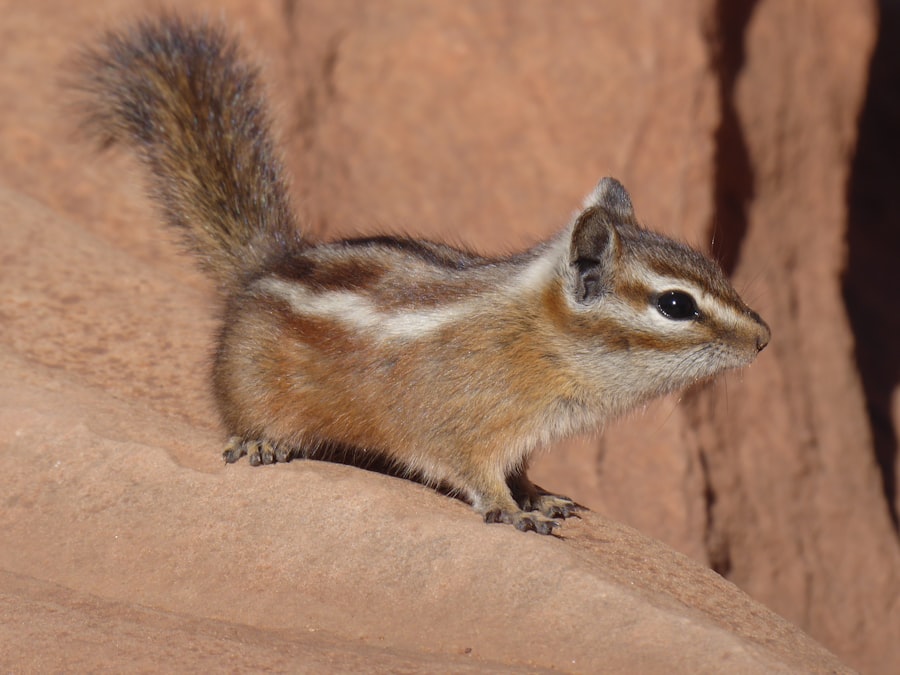
Preventing small animal pests from invading your home is often more effective than dealing with an infestation after it occurs. One of the most effective deterrent methods is sealing entry points around your property. Inspect your home for gaps in windows, doors, and foundations where pests could gain access.
Use caulk or weather stripping to seal these openings, making it more difficult for animals to enter your living space. In addition to sealing entry points, consider implementing landscaping strategies that deter pests. Keeping your yard tidy by regularly mowing the lawn and trimming overgrown bushes can reduce hiding spots for small animals.
Additionally, storing firewood away from your home and ensuring that trash bins are securely closed can help minimize attractants that draw pests closer to your property. By taking these preventive measures, you can significantly reduce the likelihood of a pest invasion.
Humane Removal and Relocation
If you find yourself dealing with small animal pests despite your best prevention efforts, humane removal and relocation should be your priority. Many people are concerned about the ethical implications of pest control methods, and fortunately, there are humane options available. Live traps can be an effective way to capture small animals without causing them harm.
Once captured, you can relocate them to a suitable environment away from your home. When using live traps, it’s essential to check them frequently to ensure that captured animals do not suffer from stress or dehydration. After capturing an animal, research local regulations regarding relocation to ensure you are following the law.
Many areas have specific guidelines about where you can release captured wildlife, so it’s crucial to familiarize yourself with these rules before taking action.
Working with Pest Control Professionals
While DIY methods can be effective for some homeowners, there are times when enlisting the help of pest control professionals is necessary. If you find yourself overwhelmed by a pest problem or if the infestation is extensive, professional pest control services can provide expertise and resources that may not be available to you as an individual. These professionals are trained to identify the specific types of pests in your home and implement targeted strategies for removal.
When choosing a pest control service, look for companies that prioritize humane methods and environmentally friendly practices. Many professionals now offer integrated pest management (IPM) approaches that focus on prevention and minimal chemical use. By working with experts who share your values regarding humane treatment of animals, you can effectively address your pest problem while minimizing harm to wildlife.
Creating a Wildlife-Friendly Yard
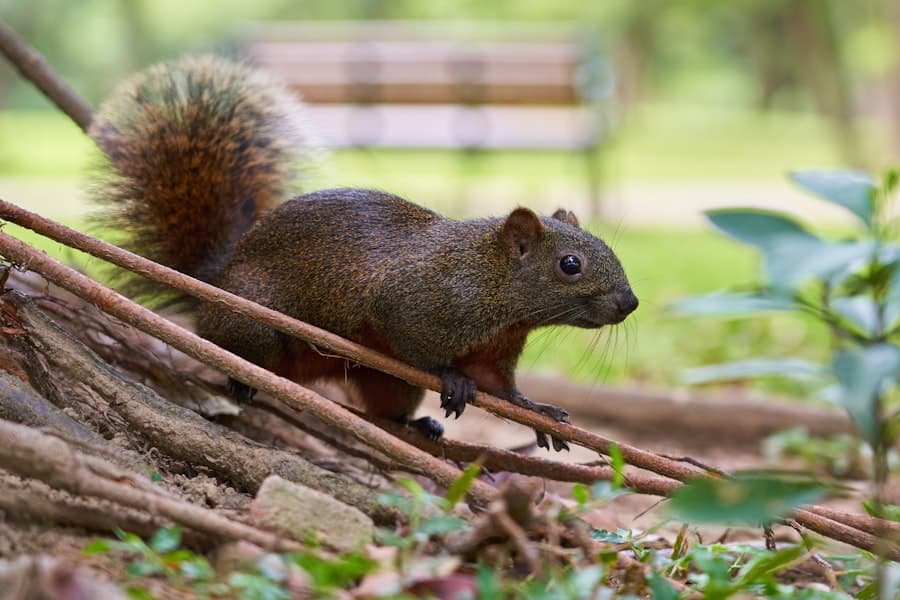
Creating a wildlife-friendly yard not only enhances the beauty of your outdoor space but also helps deter unwanted small animal pests. By incorporating native plants into your landscaping, you can attract beneficial wildlife such as birds and insects that naturally control pest populations. Additionally, providing habitats like birdhouses or bat boxes can encourage these helpful creatures to take up residence in your yard.
Another aspect of a wildlife-friendly yard is ensuring that food sources are managed properly. If you have fruit trees or vegetable gardens, consider using netting or fencing to protect them from small animals that may be tempted to feast on your crops. By creating an environment that supports beneficial wildlife while minimizing attractants for pests, you can strike a balance that enhances both your yard’s ecosystem and your peace of mind.
Dealing with Potential Health Risks
As you navigate the challenges posed by small animal pests, it’s essential to remain vigilant about potential health risks associated with these creatures. Rodents and other small mammals can carry various diseases that pose threats to human health. To protect yourself and your family, always practice good hygiene when dealing with pest issues.
Wear gloves when handling traps or cleaning areas where pests have been present, and wash your hands thoroughly afterward. In addition to personal hygiene practices, consider investing in air purifiers or dehumidifiers for areas where pests have been active. These devices can help reduce airborne pathogens and allergens that may arise from pest droppings or urine.
By taking proactive steps to mitigate health risks associated with small animal pests, you can create a safer living environment for everyone in your household.
Legal Considerations and Regulations
Finally, it’s important to be aware of legal considerations and regulations surrounding pest control in your area. Different regions have varying laws regarding the trapping and relocation of wildlife, so it’s crucial to familiarize yourself with local ordinances before taking action. Some areas may require permits for trapping certain species or may have restrictions on where animals can be relocated.
Additionally, if you’re working with pest control professionals, ensure they are licensed and follow all relevant regulations regarding humane treatment of animals. Understanding these legal aspects not only helps you stay compliant but also ensures that you’re taking responsible actions when dealing with small animal pests in your home. In conclusion, addressing small animal pests requires a multifaceted approach that includes identification, understanding risks, prevention strategies, humane removal methods, professional assistance when necessary, creating a wildlife-friendly environment, managing health risks, and adhering to legal regulations.
By being proactive and informed about these aspects, you can effectively manage pest issues while promoting a safe and harmonious living space for both humans and wildlife alike.
If you’re dealing with small animal pests invading your yard, you may want to consider hiring a professional pest control service. Thrift Pest Control offers the best pest control service in Madison, Wisconsin, Fort Wayne, Indiana, and Lubbock, Texas. Their experienced technicians can help you effectively remove and prevent pests from causing damage to your property. Check out their services here, here, and here.
FAQs
What are small animal pests?
Small animal pests are creatures such as squirrels, rabbits, chipmunks, and groundhogs that can cause damage to yards and gardens. They may also carry diseases and parasites that can be harmful to humans and pets.
How can small animal pests be controlled?
There are several methods for controlling small animal pests in your yard, including using fencing, repellents, traps, and natural predators. It’s important to choose a method that is safe and effective for the specific type of pest you are dealing with.
What are some signs of small animal pest activity in the yard?
Signs of small animal pest activity in the yard may include damage to plants, burrows or nests, droppings, and evidence of feeding on fruits or vegetables. It’s important to identify the type of pest in order to choose the most effective control method.
Are there any natural ways to deter small animal pests?
Yes, there are natural ways to deter small animal pests from your yard. Planting certain types of flowers and herbs, using natural repellents such as garlic or pepper, and encouraging natural predators like owls or hawks can help keep small animal pests at bay.
What are the risks of small animal pests in the yard?
Small animal pests can cause damage to gardens and landscaping, carry diseases and parasites, and create safety hazards by digging burrows and tunnels. It’s important to address small animal pest problems to protect your property and the health of your family and pets.