
You may have noticed an unsettling trend in recent years: the sheer number of bugs seems to be on the rise. Whether it’s the persistent buzz of mosquitoes in your backyard or the sudden appearance of ants marching across your kitchen counter, these tiny creatures are becoming more prominent in our daily lives. This increase in bug populations is not merely a nuisance; it poses significant challenges to public health, agriculture, and the environment.
Understanding the factors contributing to this surge is crucial for developing effective strategies to manage and mitigate their impact. The problem is multifaceted, involving a complex interplay of environmental, social, and economic factors. As you delve deeper into this issue, you will discover that the increase in bugs is not just a seasonal annoyance but a symptom of broader ecological changes.
From climate change to urbanization, various elements are driving this phenomenon, and recognizing these influences can help you appreciate the urgency of addressing the problem.
Key Takeaways
- Climate change is leading to an increase in bug populations as warmer temperatures and altered precipitation patterns create more favorable conditions for their reproduction and survival.
- Urbanization is reducing bug habitats and biodiversity, leading to a decrease in natural predators and an increase in bug populations in urban areas.
- Changes in agricultural practices, such as the use of pesticides and monoculture farming, are contributing to the decline of beneficial bug species and the proliferation of pest species.
- Pollution, including air and water pollution, is impacting bug populations by directly harming them and disrupting their habitats and food sources.
- The spread of invasive species is contributing to the increase in bug populations by outcompeting native species and disrupting ecosystems.
Climate change and its impact on bug populations
Rising Temperatures and Favorable Conditions
As temperatures rise and weather patterns shift, many insects find themselves in more favorable conditions for survival and reproduction. You might notice that warmer winters allow certain species to thrive that would have previously been kept in check by colder temperatures. This phenomenon leads to longer breeding seasons and higher population densities, which can result in outbreaks of pests that affect both human health and agriculture.
Changing Precipitation Patterns and Ideal Breeding Grounds
Moreover, changing precipitation patterns can create ideal breeding grounds for various insects. For instance, increased rainfall can lead to standing water, which is a perfect habitat for mosquitoes.
Tangible Effects on Ecosystems and Human Health
As you consider these changes, it becomes clear that climate change is not just an abstract concept; it has tangible effects on the ecosystems around you. The rise in bug populations due to climate change can lead to increased disease transmission, crop damage, and disruptions in local ecosystems, making it imperative to address this global issue.
Urbanization and its effect on bug habitats
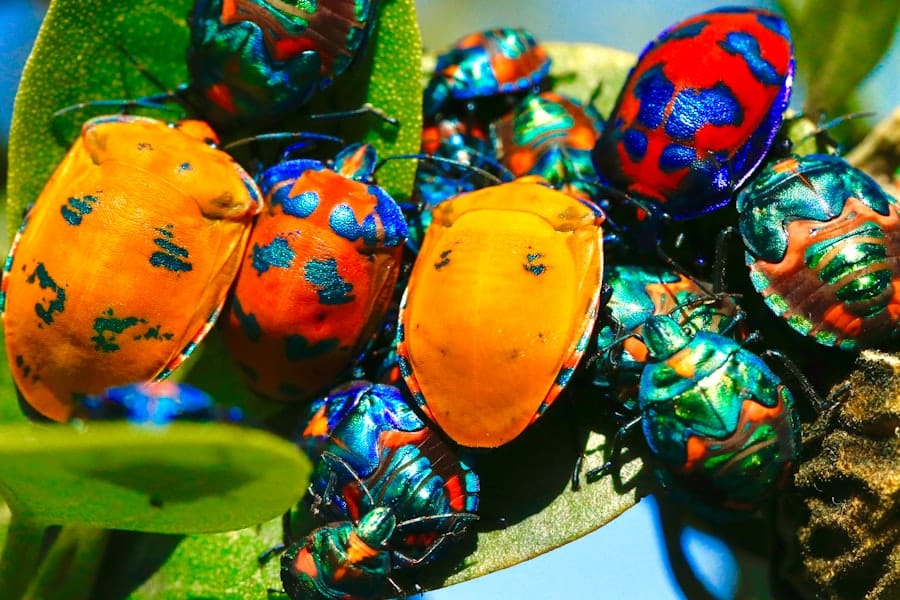
Urbanization is another critical factor contributing to the increase in bug populations. As cities expand and natural habitats are replaced with concrete and asphalt, many insects adapt to these new environments. You may have noticed that urban areas often have higher concentrations of pests like cockroaches and rats, which thrive in human-made environments.
The availability of food waste and shelter in urban settings creates a perfect storm for these pests to flourish. Additionally, urban heat islands—areas within cities that experience significantly higher temperatures than their rural surroundings—can further exacerbate the problem. These warmer microclimates can support a wider variety of insects, allowing them to thrive year-round.
As you navigate through urban spaces, it’s essential to recognize how your environment influences bug populations and consider how urban planning and management can mitigate these effects.
Changes in agricultural practices and their influence on bug populations
Agricultural practices have undergone significant changes over the past few decades, and these shifts have had profound effects on bug populations. The widespread use of pesticides has led to a temporary reduction in certain pest populations; however, it has also resulted in the emergence of pesticide-resistant species. You may find that some bugs are now more resilient than ever, leading to increased infestations that can threaten crops and food security.
Moreover, monoculture farming—growing a single crop over large areas—can create an environment that is highly conducive to pest outbreaks. When you plant vast fields of the same crop, you inadvertently provide a buffet for insects that feed on that particular plant. This lack of biodiversity can lead to imbalances in local ecosystems, allowing certain pests to dominate while beneficial insects decline.
As you reflect on these agricultural practices, consider how sustainable farming methods could help restore balance and reduce the reliance on chemical interventions.
Impact of pollution on bug populations
Pollution is another critical factor influencing bug populations. Pesticides, heavy metals, and other pollutants can disrupt the delicate balance of ecosystems, affecting not only the bugs themselves but also their predators and prey. You might be surprised to learn that pollution can lead to declines in certain insect populations while simultaneously allowing others to thrive.
For instance, some pests may become more resilient in polluted environments, leading to an increase in their numbers. Furthermore, water pollution can have devastating effects on aquatic insect populations. As you think about the health of rivers and lakes near your home, consider how runoff from agricultural fields or urban areas can introduce harmful chemicals into these ecosystems.
The decline of aquatic insects can have cascading effects on food webs and biodiversity, highlighting the interconnectedness of pollution and bug populations.
Spread of invasive species and their role in the increase of bugs
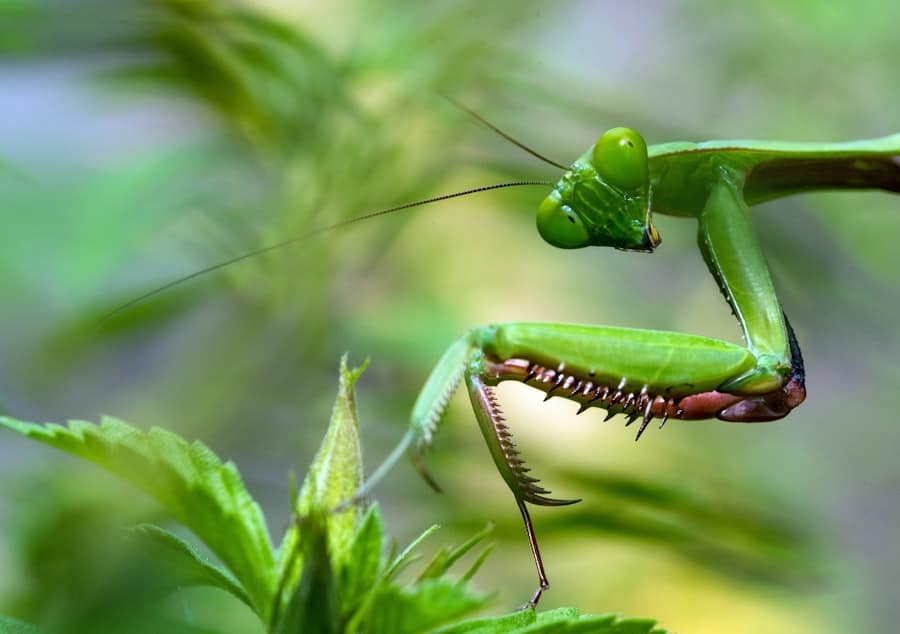
The Absence of Natural Predators
Invasive species often thrive in new environments due to a lack of natural predators or competitors. This allows them to spread rapidly and outcompete native species for resources.
Human Activities Facilitate the Spread
As you observe these changes in your surroundings, it’s essential to recognize how human activities—such as global trade and travel—facilitate the spread of these pests. The introduction of invasive species can lead to increased pest populations that disrupt local ecosystems and pose challenges for agriculture and public health.
The Consequences of Invasive Species
The introduction of invasive species can lead to devastating consequences, including increased pest populations that disrupt local ecosystems and pose challenges for agriculture and public health.
Changes in human behavior and its impact on bug populations
Your behavior plays a crucial role in shaping bug populations around you. Simple actions like leaving food out or neglecting proper waste disposal can create ideal conditions for pests to thrive. You might not realize it, but your habits can significantly influence local insect populations.
For instance, if you frequently leave pet food outside or fail to seal garbage bins properly, you may inadvertently attract rodents or insects into your living space. Additionally, lifestyle changes—such as increased outdoor activities during warmer months—can lead to greater exposure to bugs like ticks and mosquitoes. As you enjoy nature, it’s essential to take precautions to protect yourself from potential bites and diseases associated with these pests.
By being mindful of your actions and their consequences, you can contribute to managing bug populations more effectively.
Effects of deforestation on bug habitats
Deforestation is another critical factor contributing to the increase in bug populations. As forests are cleared for agriculture or urban development, many insects lose their natural habitats. However, this loss often leads to an increase in certain pest species that adapt well to disturbed environments.
You may notice that areas previously rich in biodiversity become dominated by a few resilient species that thrive in altered landscapes. Moreover, deforestation can disrupt ecological relationships between insects and their predators or prey. As you consider the impact of deforestation on local ecosystems, think about how preserving natural habitats can help maintain balanced insect populations.
Reforestation efforts and sustainable land management practices are essential for restoring habitats and supporting biodiversity.
Role of natural disasters in the increase of bugs
Natural disasters such as floods, hurricanes, and wildfires can also contribute to the increase in bug populations. These events often create temporary conditions that favor certain insect species. For example, flooding can lead to standing water that provides ideal breeding grounds for mosquitoes.
You may have noticed an uptick in mosquito activity following heavy rains or flooding events in your area. Additionally, wildfires can disrupt ecosystems and create opportunities for invasive species to establish themselves in newly available habitats. As you reflect on the aftermath of natural disasters, consider how these events can reshape local insect populations and influence public health concerns related to pest-borne diseases.
Impact of global travel and trade on the spread of bugs
Global travel and trade have made it easier than ever for bugs to spread across borders. You might not think about it when booking a flight or ordering products online, but every time goods are transported internationally, there’s a risk of inadvertently introducing invasive species or pests into new environments. This phenomenon has led to increased pest populations worldwide as insects hitch rides on cargo ships or airplanes.
Moreover, tourism can also contribute to the spread of bugs as travelers unknowingly carry pests with them from one location to another. As you embark on your journeys, consider how your actions may impact local ecosystems at your destination. Being aware of these connections can help foster a sense of responsibility toward protecting biodiversity both at home and abroad.
Solutions and strategies for managing the increase in bugs
Addressing the increase in bug populations requires a multifaceted approach that considers various factors contributing to this issue. One effective strategy is promoting sustainable agricultural practices that prioritize biodiversity and reduce reliance on chemical pesticides. You might consider supporting local farmers who use organic methods or participating in community gardens that emphasize ecological balance.
Additionally, public awareness campaigns can play a vital role in educating individuals about responsible waste disposal and pest management practices at home. By fostering a culture of awareness and responsibility, you can contribute to reducing conditions that favor pest outbreaks. Finally, advocating for policies that protect natural habitats and promote reforestation efforts is essential for maintaining balanced ecosystems.
As you engage with your community and policymakers, remember that collective action is key to managing the challenges posed by increasing bug populations effectively. In conclusion, understanding the factors contributing to the rise in bug populations is crucial for developing effective management strategies. By recognizing the interconnectedness of climate change, urbanization, agricultural practices, pollution, invasive species, human behavior, deforestation, natural disasters, global travel, and trade, you can play an active role in addressing this pressing issue.
Through informed choices and collective action, we can work toward a healthier coexistence with our insect neighbors while safeguarding public health and environmental integrity.
If you are wondering why you are getting so many bugs in your home, you may want to consider reading the article Outsmarting Nature: A Modern Approach to Pest Control. This article discusses innovative methods for controlling pests and keeping them out of your living space. By implementing these modern techniques, you can effectively reduce the number of bugs invading your home.
FAQs
What are common reasons for getting a lot of bugs?
Some common reasons for getting a lot of bugs include poor sanitation, standing water, cracks and crevices in the home, and food sources that attract pests.
How can poor sanitation contribute to a bug infestation?
Poor sanitation can contribute to a bug infestation by providing pests with food, water, and shelter. Leftover food, crumbs, and garbage can attract bugs and provide them with the resources they need to thrive.
What are some ways to prevent bug infestations?
Some ways to prevent bug infestations include keeping a clean and tidy home, sealing cracks and crevices, fixing any plumbing leaks, storing food in airtight containers, and regularly disposing of garbage.
Why is standing water a problem when it comes to bugs?
Standing water can attract bugs such as mosquitoes, flies, and cockroaches, as it provides them with a water source for breeding and survival. Removing standing water can help reduce the likelihood of a bug infestation.
How can I identify and eliminate potential food sources for bugs?
To identify and eliminate potential food sources for bugs, it’s important to regularly clean and sanitize the kitchen and dining areas, store food in sealed containers, and promptly clean up any spills or crumbs. Additionally, it’s important to dispose of garbage regularly and keep outdoor trash bins clean and tightly sealed.