
As a homeowner, you may find yourself sharing your living space with a variety of pests, some of which can be more than just a nuisance. Common household pests include ants, cockroaches, rodents, termites, and bed bugs, each presenting unique challenges. Understanding these pests is the first step in effectively managing them.
For instance, ants are social insects that thrive in colonies, often invading kitchens in search of food. Cockroaches, on the other hand, are nocturnal creatures that can carry diseases and trigger allergies. By familiarizing yourself with these pests, you can better prepare yourself to combat their presence.
Moreover, recognizing the habits and habitats of these pests can help you anticipate their movements and behaviors. Termites, for example, are known for their destructive feeding habits, often going unnoticed until significant damage has occurred. Rodents are adept at squeezing through small openings and can reproduce rapidly, making them a formidable foe.
By understanding the biology and behavior of these pests, you can take proactive measures to prevent infestations before they start.
Key Takeaways
- Understanding the common household pests: Learn about the most common pests found in homes and their habits.
- Identifying the signs of pest infestation: Look out for droppings, chewed items, and unusual odors to detect pest presence.
- Creating a pest control plan for your home: Develop a comprehensive strategy to address and prevent pest issues.
- Natural and non-toxic pest control methods: Explore eco-friendly options such as essential oils and diatomaceous earth.
- DIY pest control products and tools: Utilize traps, baits, and sealants to address pest problems on your own.
Identifying the Signs of Pest Infestation
Visible Signs of Infestation
If you notice droppings in your kitchen or pantry, it could be a telltale sign of rodents or cockroaches. Additionally, gnaw marks on food packaging or furniture may indicate that pests are actively seeking food sources within your home.
Insect-Related Signs
You might also find discarded wings or shed exoskeletons, particularly if you have a problem with insects like termites or cockroaches.
Unusual Sounds and Damage
Another critical sign to watch for is unusual sounds. Scratching noises in the walls or ceilings during the night could suggest that rodents are nesting nearby. If you notice unexplained stains or damage to your walls or floors, it may be time to investigate further. By being aware of these signs and acting quickly, you can address pest issues before they escalate into larger problems.
Creating a Pest Control Plan for Your Home
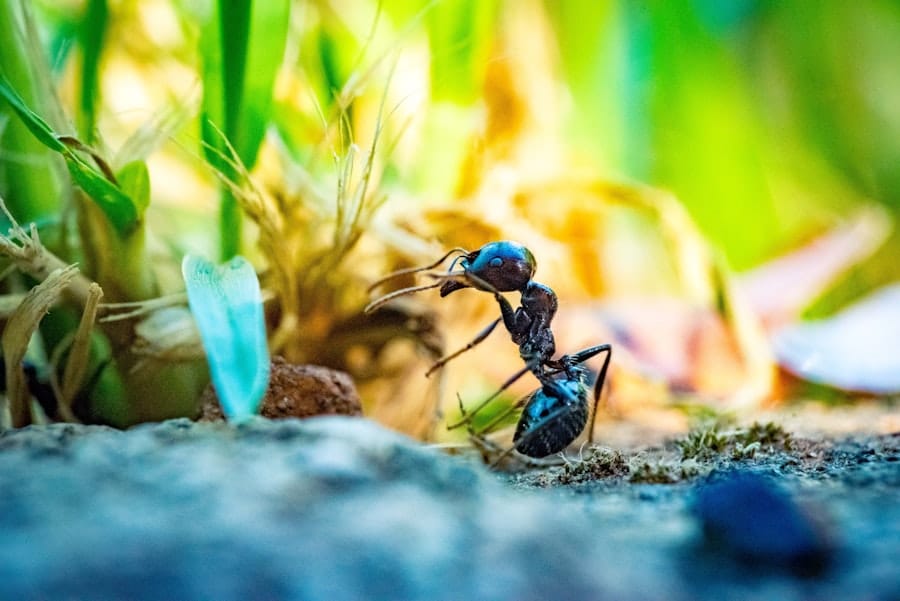
Once you’ve identified a pest problem, it’s essential to develop a comprehensive pest control plan tailored to your specific situation. Start by assessing the extent of the infestation and determining which types of pests you are dealing with. This information will guide your approach and help you choose the most effective methods for eradication.
You may want to create a checklist that outlines the steps you need to take, from initial inspection to treatment and follow-up. In addition to immediate action, consider long-term strategies that will help keep your home pest-free. This might include sealing entry points, reducing clutter, and maintaining cleanliness in your living spaces.
A well-thought-out pest control plan not only addresses current infestations but also lays the groundwork for preventing future issues. By being proactive and organized in your approach, you can significantly reduce the likelihood of pests returning to your home.
Natural and Non-toxic Pest Control Methods
If you’re concerned about using chemical pesticides in your home, there are numerous natural and non-toxic pest control methods available that can be just as effective. For example, diatomaceous earth is a natural powder that can be sprinkled in areas where pests are likely to travel. It works by dehydrating insects upon contact, making it an excellent option for dealing with ants and cockroaches without introducing harmful chemicals into your environment.
Essential oils also offer a natural alternative for pest control. Oils such as peppermint, tea tree, and lavender have been shown to repel various insects due to their strong scents. You can create a simple spray by diluting essential oils in water and applying it to areas where pests are commonly found.
Not only do these methods help keep pests at bay, but they also leave your home smelling fresh and pleasant.
DIY Pest Control Products and Tools
Creating your own pest control products can be both cost-effective and environmentally friendly. Many common household items can be repurposed into effective pest deterrents. For instance, a mixture of vinegar and water can serve as a natural repellent for ants and spiders when sprayed around entry points.
Baking soda combined with sugar can attract and kill cockroaches when ingested. In addition to homemade solutions, having the right tools on hand can make pest control more manageable. A good-quality vacuum cleaner is invaluable for removing pests like spiders and their webs or cleaning up droppings left by rodents.
Sticky traps can also be an effective way to monitor pest activity while providing a non-toxic solution for capturing insects. By utilizing DIY products and tools, you empower yourself to take control of your pest situation without relying solely on commercial pesticides.
Preventing Pest Infestations in Your Home
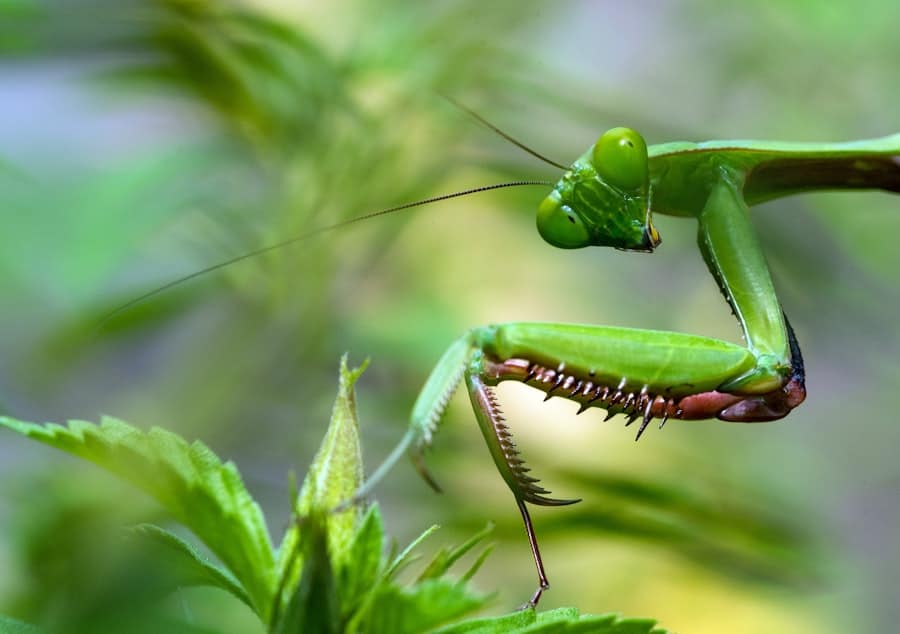
Maintaining a pest-free environment
Start by maintaining cleanliness in all areas of your house, especially in kitchens and dining spaces where food is prepared and consumed. Regularly sweeping floors, wiping down surfaces, and storing food in airtight containers can significantly reduce the likelihood of attracting pests.
Structural improvements to deter pests
Additionally, consider making structural improvements to your home that deter pests from entering. Sealing cracks and gaps around windows and doors can prevent insects from finding their way inside.
Keeping flying insects at bay
Installing screens on windows and vents will also help keep flying insects at bay while allowing fresh air into your home. By implementing these preventive measures, you create an environment that is less hospitable to pests.
Safely Handling and Disposing of Pest Control Products
If you choose to use commercial pest control products, it’s crucial to handle them safely to protect yourself and your family. Always read the labels carefully before use, paying attention to any safety precautions or instructions provided by the manufacturer. Wearing gloves and a mask while applying pesticides can help minimize exposure to potentially harmful chemicals.
When it comes time to dispose of pest control products, follow local regulations regarding hazardous waste disposal. Many communities have specific guidelines for disposing of chemicals safely to prevent environmental contamination. If you’re unsure about how to dispose of a particular product, contact your local waste management facility for guidance.
By handling and disposing of pest control products responsibly, you contribute to a safer environment for yourself and your community.
Maintaining a Pest-free Home Year-round
Keeping your home pest-free requires ongoing vigilance and maintenance throughout the year. Regular inspections of your property can help you catch potential issues before they escalate into full-blown infestations. Make it a habit to check for signs of pests in hidden areas such as basements, attics, and crawl spaces where infestations often go unnoticed.
In addition to inspections, seasonal maintenance tasks can further enhance your pest prevention efforts. For example, during fall months, ensure that all entry points are sealed as pests seek shelter from colder temperatures. In springtime, focus on landscaping by trimming back overgrown vegetation that may provide hiding spots for insects or rodents.
By staying proactive with these maintenance tasks year-round, you create an environment that is less inviting to pests.
Seeking Professional Pest Control Help When Needed
While many pest issues can be managed independently, there are times when seeking professional help is necessary. If you find yourself facing a severe infestation or if DIY methods have proven ineffective, it may be time to call in the experts. Professional pest control services have access to advanced techniques and products that can effectively eliminate stubborn infestations.
When choosing a pest control company, do your research to ensure they are reputable and licensed in your area. Look for reviews from previous customers and inquire about their methods to ensure they align with your preferences regarding safety and environmental impact. By enlisting professional help when needed, you can tackle even the most challenging pest problems with confidence.
Each type of pest presents its own unique challenges when it comes to control and eradication. For instance, dealing with ants often requires identifying their trails and eliminating their food sources while using bait traps strategically placed along their paths. Cockroaches may require a combination of sanitation efforts and targeted treatments since they reproduce quickly and can hide in hard-to-reach places.
Spiders can be managed by reducing clutter around your home where they like to hide while using natural repellents like essential oils to deter them from entering living spaces. Understanding the specific behaviors and habitats of each type of pest allows you to tailor your approach effectively. By addressing each problem with targeted strategies, you increase your chances of successfully managing infestations.
Monitoring and Evaluating the Effectiveness of Your Pest Control Efforts
After implementing your pest control plan, it’s essential to monitor its effectiveness regularly. Keep an eye out for any signs of returning pests or new infestations that may arise despite your efforts. Documenting your observations can help you identify patterns or recurring issues that need further attention.
Evaluating the success of your pest control methods will also inform future strategies. If certain approaches prove ineffective over time, consider adjusting your tactics or seeking professional advice for alternative solutions. By remaining vigilant and adaptable in your pest management efforts, you ensure that your home remains a safe and comfortable space free from unwanted intruders.
In conclusion, managing household pests requires a multifaceted approach that includes understanding common pests, identifying signs of infestation, creating effective control plans, utilizing natural methods when possible, preventing future issues through proactive measures, handling products safely, seeking professional help when necessary, addressing specific problems strategically, and continuously monitoring effectiveness over time. By taking these steps seriously and remaining committed to maintaining a pest-free environment year-round, you can enjoy peace of mind in your home while safeguarding your health and well-being.
If you’re looking for professional pest control services in Fayetteville, North Carolina, Atlanta, Georgia, or Laredo, Texas, look no further than Thrift Pest Control. Their team of experts can help you tackle any pest problem you may be facing in your home. In addition to professional services, it’s always a good idea to take preventative measures to keep bugs at bay. Check out our article on DIY Pest Control: Turning Your Home into a Bug-fighting Fortress for some helpful tips and tricks.
FAQs
What is DIY pest control?
DIY pest control refers to the practice of using homemade or commercially available products to eliminate and prevent pests from infesting your home. This can include using traps, baits, and natural remedies to control insects and rodents.
What are the benefits of DIY pest control?
DIY pest control allows homeowners to save money on professional pest control services. It also gives them the flexibility to use natural and non-toxic methods to eliminate pests, reducing the risk of exposure to harmful chemicals.
What are some common pests that can be controlled with DIY methods?
Common pests that can be controlled with DIY methods include ants, cockroaches, spiders, mice, rats, and mosquitoes. There are various DIY products and methods available for each type of pest.
What are some DIY pest control methods?
DIY pest control methods include using traps, baits, and natural remedies such as essential oils, vinegar, and diatomaceous earth. Sealing entry points, keeping a clean home, and removing sources of food and water are also effective DIY pest control methods.
Are there any risks associated with DIY pest control?
While DIY pest control can be effective, there are risks associated with using certain products and methods. It’s important to carefully read and follow the instructions on any products used, and to take precautions to protect yourself, your family, and pets from exposure to harmful chemicals.
When should I consider hiring a professional pest control service?
If DIY pest control methods are not effective in eliminating a pest infestation, or if the infestation is severe, it may be necessary to hire a professional pest control service. Additionally, if there are health or safety concerns related to the pest infestation, it’s best to seek professional help.