
Termites are fascinating creatures that play a significant role in the ecosystem. Often misunderstood and labeled as mere pests, these insects are essential decomposers, breaking down cellulose from dead trees and plant material. This process not only recycles nutrients back into the soil but also contributes to the overall health of the environment.
You may be surprised to learn that there are over 2,600 species of termites worldwide, each exhibiting unique behaviors and characteristics. Understanding these insects can help you appreciate their ecological importance while also recognizing the potential challenges they pose to human structures. As you delve deeper into the world of termites, you will discover that their social structure is remarkably complex.
Termites live in colonies that can range from a few hundred to millions of individuals, depending on the species. Each colony has a well-defined hierarchy, consisting of a queen, king, workers, and soldiers. The queen is responsible for reproduction, while workers maintain the nest, forage for food, and care for the young.
Soldiers protect the colony from predators. This intricate social organization allows termites to thrive in various environments, making them one of the most successful groups of insects on the planet.
Key Takeaways
- Termites are social insects that live in colonies and are known for their destructive behavior towards wooden structures.
- Termites are attracted to light and use it as a navigational tool, especially during their swarming season.
- Artificial light sources can disrupt termite behavior and lead them to swarm towards it, causing potential damage to buildings and structures.
- Natural light can also influence termite behavior, affecting their nesting and foraging patterns.
- Factors such as light intensity, color, and wavelength can influence termite attraction to light, and understanding these factors can help in preventing termite infestations.
The Behavior of Termites
Communication through Pheromones
Termites communicate through pheromones, which are chemical signals that convey information about food sources, danger, and reproductive status. This form of communication is vital for coordinating activities within the colony and ensuring its overall success.
Cooperative Nature and Nesting Habits
As you observe termites in their natural habitat, you may notice how they work together seamlessly, showcasing their cooperative nature. Another intriguing aspect of termite behavior is their nesting habits. Termites build intricate nests that can be found underground, in wood, or even above ground in mounds.
Influences on Nest Design and Location
These nests serve as protective environments for the colony and are designed to regulate temperature and humidity levels. The design and location of these nests are influenced by various environmental factors, including moisture levels and temperature, which play a crucial role in the colony’s survival.
The Role of Light in Termite Behavior
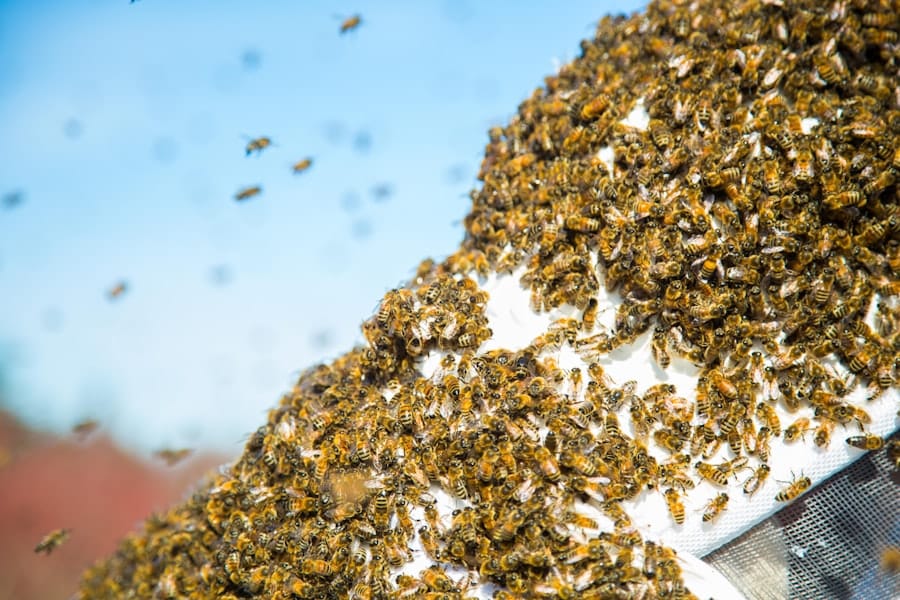
Light plays a significant role in the behavior of many insects, including termites. While termites are primarily nocturnal creatures that prefer dark environments, they are not entirely indifferent to light. In fact, light can influence their activities in various ways.
For instance, certain species of termites exhibit phototactic behavior, meaning they are attracted to or repelled by light sources. This attraction or aversion can affect their foraging patterns and nesting behaviors. As you explore this relationship between light and termites, you will gain insight into how these insects navigate their environment.
The impact of light on termite behavior is particularly evident during specific life stages, such as swarming. When reproductive termites leave their colonies to mate and establish new colonies, they often do so during warm evenings when conditions are favorable. During this time, light can serve as a guiding factor for these swarming individuals.
Understanding how light influences termite behavior can provide valuable information for pest control strategies and ecological studies.
Do Termites Swarm Towards Light Sources?
The question of whether termites swarm towards light sources is a topic of considerable interest among researchers and homeowners alike. While it may seem intuitive that insects would be drawn to light, the reality is more nuanced when it comes to termites. Many species tend to avoid bright lights, especially during their swarming phase.
Instead of being attracted to artificial light sources like streetlights or porch lamps, termites often prefer to swarm in darker areas where they feel safer from predators. However, there are exceptions to this general trend. Some species may exhibit a degree of attraction to light under certain conditions.
For example, if a light source is located near suitable nesting sites or food sources, it may inadvertently draw swarming termites closer. This behavior can lead to increased encounters with human structures, resulting in potential infestations. As you consider the implications of termite swarming behavior in relation to light sources, it becomes clear that understanding these dynamics is essential for effective pest management.
The Relationship Between Termites and Artificial Light
Artificial light has a complex relationship with termite behavior that can have both positive and negative consequences for humans. On one hand, artificial lights can inadvertently attract termites during their swarming season, leading them closer to homes and buildings where they may cause damage. This phenomenon is particularly concerning for homeowners who may not realize that their outdoor lighting could be contributing to an increased risk of infestation.
On the other hand, understanding this relationship can also provide opportunities for pest control strategies. By minimizing outdoor lighting during peak swarming times or using yellow-tinted bulbs that are less attractive to insects, you can reduce the likelihood of attracting termites to your property. As you navigate this relationship between termites and artificial light, it becomes evident that awareness and proactive measures can help mitigate potential risks associated with these pests.
The Impact of Natural Light on Termite Behavior

Natural light also plays a crucial role in shaping termite behavior and activities. Unlike artificial lights that can disrupt their natural rhythms, sunlight has a more predictable influence on these insects. Termites are generally more active during twilight hours when natural light begins to fade.
This period allows them to forage for food while minimizing exposure to predators that are more active during daylight. Moreover, natural light affects the moisture levels within termite habitats, which is vital for their survival. Termites require specific humidity levels to thrive; thus, they often seek out shaded areas or burrow deeper into the ground during hot days when sunlight can dry out their environment.
As you observe termite behavior in relation to natural light conditions, you will gain a deeper appreciation for how these insects adapt to their surroundings while ensuring their colonies remain healthy.
How Light Affects Termite Nesting Behavior
The nesting behavior of termites is intricately linked to light conditions in their environment. As previously mentioned, termites prefer dark environments for nesting due to their sensitivity to light and potential threats from predators. When selecting nesting sites, they often choose locations that provide adequate protection from both light and moisture fluctuations.
Interestingly, some species exhibit specific nesting behaviors based on seasonal changes in light availability. For instance, during periods of increased daylight hours in spring and summer, certain termite species may expand their nests or create new ones closer to food sources that become more accessible during these times. Understanding how light influences nesting behavior can provide valuable insights into termite ecology and inform pest management practices.
Understanding Termite Attraction to Light
To fully grasp why some termites are attracted to light while others are not, it is essential to consider their evolutionary adaptations and ecological roles. Many insects have developed phototactic behaviors as a means of navigating their environments effectively; however, termites have evolved differently due to their unique social structures and nesting habits. For instance, while some insects use light as a navigational tool during mating flights or foraging expeditions, termites rely more on pheromones and environmental cues such as moisture levels and temperature gradients.
This reliance on chemical signals rather than visual stimuli explains why many termite species tend to avoid bright lights rather than seek them out. As you explore this fascinating aspect of termite behavior further, you will uncover the intricate balance between evolutionary adaptations and environmental influences.
Factors That Influence Termite Attraction to Light
Several factors influence termite attraction to light beyond just species-specific behaviors. Environmental conditions such as humidity levels, temperature fluctuations, and the availability of food sources all play significant roles in determining how termites respond to light stimuli. For example, during periods of high humidity or after rainfall events when food sources become abundant, termites may be more likely to venture out into open areas where they might encounter artificial lights.
Additionally, the type of light source itself can impact termite attraction levels. Certain wavelengths emitted by different types of bulbs may be more appealing or repelling to various insect species. For instance, ultraviolet (UV) lights tend to attract many insects due to their visibility spectrum; however, some studies suggest that yellow or amber lights may be less attractive overall for many pest species—including termites—thereby reducing potential encounters with human structures.
How to Prevent Termites from Being Attracted to Light
Preventing termites from being attracted to light involves implementing several practical strategies around your home or property. One effective approach is minimizing outdoor lighting during peak swarming seasons when reproductive termites are most active. If outdoor lighting is necessary for safety or aesthetic reasons, consider using yellow-tinted bulbs or fixtures designed specifically for insect reduction.
Another important measure is maintaining proper landscaping practices around your home by keeping vegetation trimmed back from structures and ensuring that mulch or wood piles are stored away from foundations where they could serve as potential food sources for termites seeking shelter near lights at night. By taking these proactive steps toward reducing both artificial lighting exposure and potential nesting sites nearby your property’s perimeter, you can significantly decrease the likelihood of attracting unwanted termite activity.
Conclusion and Summary
In conclusion, understanding the intricate relationship between termites and light reveals much about these remarkable insects’ behaviors and ecological roles. While many people view termites primarily as pests due to their potential for causing structural damage within homes or buildings, it is essential to recognize their contributions as decomposers within ecosystems worldwide. By exploring how different types of lighting—both natural and artificial—affect termite behavior patterns such as swarming tendencies or nesting preferences allows us greater insight into effective pest management strategies moving forward.
Implementing preventive measures around your property can help mitigate risks associated with attracting these insects while fostering an appreciation for their vital role in maintaining healthy ecosystems. As you continue your journey into the world of termites, remember that knowledge is power; understanding these creatures will not only help protect your home but also deepen your appreciation for the complex web of life that exists all around us.
If you are concerned about pests invading your home, you may want to consider hiring a professional pest control service. According to Guardians of the Home: How Pest Control Technicians Keep Your Space Safe, pest control technicians are trained to effectively eliminate and prevent infestations, keeping your home safe and pest-free. Whether you are dealing with termites, rodents, or other pests, a professional pest control service can provide the expertise and resources needed to protect your home.
FAQs
What are termites attracted to?
Termites are attracted to sources of moisture, wood, and cellulose materials. They are also attracted to warm and dark environments.
Are termites attracted to light?
Termites are not naturally attracted to light. They are more likely to be attracted to dark and warm environments.
Do termites swarm around lights?
Termites do not swarm around lights. They are more likely to swarm in dark and humid areas, especially during their mating season.
Can light be used to repel termites?
There is no scientific evidence to suggest that light can be used to repel termites. Instead, it is important to focus on eliminating sources of moisture and wood in order to prevent termite infestations.