
You may have noticed that your home is not just a sanctuary for you and your family, but also a potential haven for various animal visitors. These creatures, ranging from the charming to the troublesome, can make their way into your living space for a variety of reasons. Whether it’s a curious raccoon rummaging through your trash or a family of squirrels nesting in your attic, these encounters can be both fascinating and concerning.
Understanding the dynamics of these animal visitors is essential for maintaining a harmonious living environment. As you delve into the world of animal visitors, you might find yourself intrigued by their behaviors and motivations. Animals are often drawn to human habitats due to the availability of food, shelter, and safety from predators.
While some visitors may be harmless and even beneficial to your garden ecosystem, others can pose risks to your property and health. By gaining insight into the factors that attract these animals and learning how to manage their presence, you can create a more peaceful coexistence with the wildlife around you.
Key Takeaways
- Animal visitors are common in residential areas and can be attracted to houses for various reasons.
- Factors such as food, water, shelter, and breeding opportunities can attract animals to your house.
- Common animal visitors include raccoons, squirrels, birds, and rodents, each with their own unique behaviors and habits.
- Animal visitors can pose potential dangers such as property damage, disease transmission, and aggression.
- Safely coexisting with animal visitors involves implementing preventive measures, seeking professional help when needed, and being mindful of cohabitation strategies.
Factors that Attract Animals to Your House
Several factors can draw animals to your home, and understanding these can help you mitigate unwanted visits. One of the primary attractions is food. If you leave pet food outside, have an open compost bin, or neglect to secure your garbage cans, you may inadvertently invite animals looking for an easy meal.
Even bird feeders, while delightful to watch, can attract larger animals like raccoons and squirrels if not properly managed. You might want to consider how your food storage practices could be adjusted to deter these visitors. Another significant factor is shelter.
Your home provides warmth and safety, especially during harsh weather conditions. Animals such as raccoons, opossums, and even rodents may seek refuge in attics, basements, or under decks. If there are gaps or openings in your home’s exterior, these creatures may see them as an invitation to move in.
Regularly inspecting your property for potential entry points can help you identify areas that need reinforcement or repair.
Common Animal Visitors and their Behaviors
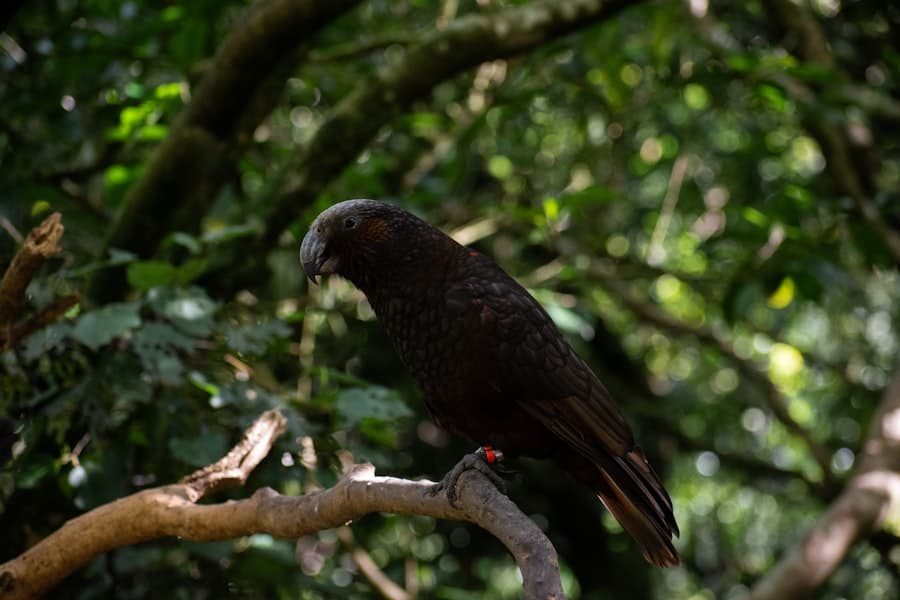
You may encounter a variety of animal visitors, each with its own unique behaviors and characteristics. Squirrels are among the most common visitors; they are agile climbers and often invade attics or gardens in search of food. Their playful antics can be entertaining, but they can also cause damage by gnawing on wires or insulation.
Observing their patterns can help you understand when they are most active and how best to deter them. Raccoons are another frequent visitor, known for their dexterous paws and intelligence. They are nocturnal creatures that often raid garbage cans or pet food dishes left outside.
Their ability to open containers can be quite impressive, making them a challenge to keep at bay. You might notice their presence by the telltale signs of overturned trash or scattered debris. Understanding their habits can help you take proactive measures to secure your property against these clever scavengers.
Potential Dangers of Animal Visitors
While many animal visitors may seem harmless, they can pose various risks to your home and health. One of the most significant dangers is the potential for property damage. Animals like raccoons and squirrels can chew through wires, insulation, and even structural elements of your home as they attempt to create nests or access food sources.
This damage can lead to costly repairs and may compromise the safety of your living space. In addition to property damage, animal visitors can also pose health risks. Many wild animals carry diseases that can be transmitted to humans or pets through bites, scratches, or even contact with their droppings.
For instance, raccoons are known carriers of rabies, while rodents can spread hantavirus and leptospirosis. Being aware of these potential dangers is crucial for protecting yourself and your family from harm.
Ways to Safely Coexist with Animal Visitors
Coexisting with animal visitors requires a balance between appreciation for wildlife and practical measures to protect your home. One effective strategy is to create a wildlife-friendly environment that encourages beneficial species while deterring those that may cause problems. For example, planting native plants in your garden can attract pollinators like bees and butterflies without inviting larger pests.
You can also implement humane deterrents to discourage unwanted visitors without harming them. Motion-activated lights or sprinklers can startle animals and encourage them to seek food elsewhere. Additionally, using natural repellents such as cayenne pepper or vinegar around entry points may help keep certain animals at bay.
By adopting these strategies, you can foster a respectful relationship with the wildlife in your area.
How to Prevent Unwanted Animal Visitors
Preventing unwanted animal visitors starts with proactive measures around your home. One of the most effective ways to deter animals is by securing food sources. Ensure that garbage cans have tight-fitting lids and consider using animal-proof containers if necessary.
If you have pets, feed them indoors and avoid leaving food outside overnight. Another important step is to seal any potential entry points in your home’s exterior. Inspect your foundation, roofline, and vents for gaps or holes that could allow animals access.
Using materials like steel mesh or caulk can effectively block these entryways. Regular maintenance of your property will not only help keep animals out but also enhance the overall integrity of your home.
Seeking Professional Help for Persistent Animal Visitors
If you find that animal visitors persist despite your best efforts, it may be time to seek professional assistance. Wildlife control experts are trained to handle various species humanely and effectively. They can assess your property for vulnerabilities and provide tailored solutions to address specific issues related to animal visitors.
Professional services often include humane trapping and relocation of animals that have made their way into your home. They can also offer advice on long-term prevention strategies that align with local wildlife regulations. By enlisting the help of experts, you can ensure that both your home and the animals are treated with care and respect.
Conclusion and Final Tips for Managing Animal Visitors
In conclusion, managing animal visitors requires a combination of understanding their behaviors, implementing preventive measures, and knowing when to seek help. By being proactive about securing food sources and sealing entry points, you can significantly reduce the likelihood of unwanted visits. Additionally, fostering a respectful coexistence with wildlife can enhance your appreciation for nature while keeping your home safe.
As you navigate this journey with animal visitors, remember that patience is key. Observing their behaviors can provide valuable insights into how best to manage their presence in your life. With the right strategies in place, you can enjoy the beauty of nature while maintaining a comfortable living environment for yourself and your family.
If you are wondering why so many animals are coming to your house, it may be time to consider hiring a professional pest control service. Thrift Pest Control offers the best pest control service in Chesapeake, Virginia, and Santa Ana, California. Their team of experts can help identify the root cause of the animal infestation and provide effective solutions to keep your home pest-free. To learn more about Thrift Pest Control and their services, visit their website here.
FAQs
Why do animals come to my house?
Animals may come to your house for various reasons, including seeking food, water, shelter, or a safe place to raise their young.
What are some common animals that come to houses?
Common animals that may come to houses include birds, squirrels, raccoons, opossums, skunks, and stray cats or dogs.
How can I deter animals from coming to my house?
You can deter animals from coming to your house by securing trash cans, removing potential food sources, sealing off entry points, and using deterrents such as motion-activated sprinklers or lights.
Is it safe to have animals coming to my house?
While some animals may pose a risk, such as carrying diseases or causing property damage, many are harmless and can coexist peacefully with humans.
Should I feed the animals that come to my house?
Feeding wild animals can lead to dependency and alter their natural behaviors, so it is generally recommended to avoid feeding them and instead focus on removing attractants.