
When you encounter a wild animal in your vicinity, the first step is to assess the situation carefully. Take a moment to observe the animal’s behavior and the environment around it. Is the animal acting aggressively, or does it seem calm and disoriented?
Understanding its demeanor can provide crucial insights into how to proceed. For instance, if the animal appears to be injured or trapped, it may be more vulnerable and could react unpredictably. Conversely, if it seems healthy and is simply passing through, your approach may differ significantly.
Additionally, consider the type of animal you are dealing with. Different species have varying levels of aggression and territorial behavior. A raccoon rummaging through your trash may pose less of a threat than a bear wandering into your backyard.
Identifying the species can help you gauge the potential risks involved and determine the best course of action. Remember, your safety and the safety of the animal should be your top priorities as you navigate this unexpected encounter.
Key Takeaways
- Assess the situation before taking any action when encountering wildlife
- Ensure your safety by keeping a safe distance and not approaching the animal
- Contact local wildlife authorities for assistance and guidance
- Keep your distance and do not attempt to feed or interact with the animal
- Remove attractants such as food or garbage to discourage wildlife from approaching
- Secure your property by closing off any potential entry points for wildlife
- Monitor the animal’s behavior from a safe distance and avoid provoking it
- Seek professional help from wildlife experts or animal control if the situation escalates
Ensure Your Safety
Once you have assessed the situation, your next step is to ensure your safety. This means creating a safe distance between yourself and the animal. If you are too close, you may inadvertently provoke it, leading to a dangerous confrontation.
Back away slowly and quietly, avoiding sudden movements that could startle the creature. If you have pets with you, secure them indoors or on a leash to prevent them from approaching the wild animal. In addition to maintaining physical distance, it’s essential to protect yourself emotionally and mentally.
Encounters with wildlife can be startling and stressful, so take a moment to breathe and collect your thoughts. If you feel overwhelmed, consider reaching out to a friend or family member for support. They can help you think through your options and provide reassurance as you navigate this unusual situation.
Contact Local Wildlife Authorities
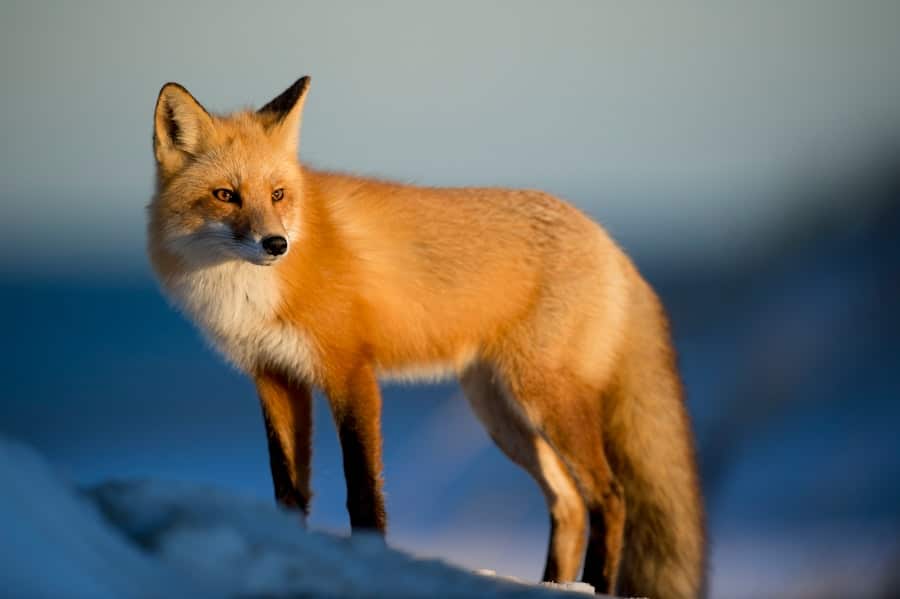
After ensuring your safety, it’s time to contact local wildlife authorities. These professionals are trained to handle wildlife encounters and can provide guidance tailored to your specific situation. When you call, be prepared to provide detailed information about the animal’s location, behavior, and any potential hazards it may pose.
This information will help them assess the situation more effectively and determine the best course of action. Local wildlife authorities often have protocols in place for dealing with various species, whether they need to relocate the animal or provide assistance in another way. By involving them, you not only ensure your safety but also contribute to the well-being of the animal.
They can offer advice on how to coexist peacefully with wildlife in your area and may even provide resources for preventing future encounters.
Keep Your Distance
Keeping your distance from the wild animal is crucial for both your safety and the animal’s well-being. Even if the creature appears calm, it can become agitated if it feels threatened or cornered. Observing from a safe distance allows you to monitor its behavior without putting yourself at risk.
Use binoculars or a camera with a zoom lens if you want to get a closer look without encroaching on its space. Moreover, maintaining distance helps prevent habituation, which occurs when wild animals become accustomed to human presence. This can lead to problematic behaviors, such as scavenging for food or approaching homes more frequently.
By respecting their space and allowing them to remain wild, you contribute to their natural instincts and behaviors, ultimately benefiting both parties in the long run.
Remove Attractants
If you find that wild animals are frequently visiting your property, it may be time to evaluate what attractants are drawing them in. Food sources are often the primary reason wildlife ventures close to human habitats. Take a look around your yard for any potential attractants, such as pet food left outside, bird feeders overflowing with seeds, or garbage cans that aren’t securely closed.
Removing these items can significantly reduce the likelihood of future encounters. In addition to food sources, consider other attractants like standing water or sheltering spots that may appeal to wildlife. If you have a compost pile or garden that could be enticing, take steps to secure these areas as well.
By proactively addressing these attractants, you not only protect yourself but also help maintain a healthy balance between humans and wildlife in your community.
Secure Your Property

Securing your property is an essential step in preventing wildlife encounters. Start by inspecting your home for any gaps or openings that could allow animals access to your living space. This includes checking windows, doors, and vents for any signs of wear or damage that could serve as entry points.
Sealing these openings can help keep unwanted visitors at bay. Additionally, consider installing fencing around your yard if you live in an area prone to wildlife encounters. A sturdy fence can act as a barrier between your home and local animals, providing an extra layer of protection.
However, ensure that the fence is tall enough and buried deep enough to deter burrowing animals as well. By taking these precautions, you create a safer environment for yourself while respecting the natural habitats of local wildlife.
Monitor the Animal’s Behavior
If an animal has taken up temporary residence near your property, monitoring its behavior is vital for understanding how to proceed. Keep an eye on its movements and interactions with its environment. Is it foraging for food? Does it seem agitated or aggressive? Observing these behaviors can help you determine whether it poses a threat or if it’s simply passing through. Documenting its behavior can also be beneficial if you need to report the situation to wildlife authorities later on. Take notes on when and where you see the animal, as well as any notable actions it takes. This information can assist professionals in assessing the situation more accurately and deciding on appropriate interventions if necessary.
Seek Professional Help
If the situation escalates or if you feel uncertain about how to handle it, seeking professional help is always a wise choice. Wildlife experts have the training and experience needed to deal with various species safely and humanely. They can assess the situation on-site and provide solutions tailored to your specific needs.
In some cases, relocation may be necessary if an animal poses a significant threat or has become too comfortable around humans. Professionals can handle this process ethically and efficiently, ensuring that both you and the animal remain safe throughout the ordeal. Remember that while encountering wildlife can be alarming, there are resources available to help you navigate these situations responsibly and effectively.
In conclusion, encountering wildlife can be both fascinating and intimidating. By assessing the situation carefully, ensuring your safety, contacting local authorities, keeping your distance, removing attractants, securing your property, monitoring behavior, and seeking professional help when needed, you can manage these encounters responsibly. Your actions not only protect yourself but also contribute to the well-being of local wildlife populations, fostering a harmonious coexistence between humans and nature.
If you are dealing with a wild animal in your yard, it may be a good idea to contact a professional pest control service for assistance. Thrifty Pest Control offers top-notch services in various locations, including St. Paul, Minnesota, San Antonio, Texas, and McKinney, Texas. Their team of experts can help safely remove unwanted wildlife from your property and prevent future infestations. For more information on their services in St. Paul, check out their article on the best pest control service in St. Paul here.
FAQs
What should I do if a wild animal is in my yard?
If a wild animal is in your yard, it’s important to remain calm and keep a safe distance. Do not approach the animal or attempt to feed it. Contact your local animal control or wildlife management agency for assistance.
How can I prevent wild animals from entering my yard?
To prevent wild animals from entering your yard, secure your garbage cans, remove any potential food sources, and seal off any potential entry points such as gaps in fences or under decks. Keeping your yard clean and free of debris can also help deter wild animals.
What are some common wild animals that may enter yards?
Common wild animals that may enter yards include raccoons, opossums, squirrels, skunks, deer, and various species of birds. It’s important to be aware of the potential wildlife in your area and take appropriate precautions.
Is it safe to approach a wild animal in my yard?
It is never safe to approach a wild animal in your yard. Wild animals can be unpredictable and may pose a threat if they feel threatened or cornered. It’s best to keep a safe distance and contact professionals for assistance.
What should I do if I encounter a potentially dangerous wild animal in my yard?
If you encounter a potentially dangerous wild animal in your yard, such as a bear or a large predator, it’s important to remain calm and slowly back away. Do not run or make sudden movements. Contact your local wildlife management agency or emergency services for assistance.