
When you first notice signs of burrowing animals in your yard or garden, it can be both alarming and puzzling. You may find small holes in the ground, mounds of dirt, or even trails leading to and from these openings. These signs can indicate the presence of various burrowing creatures, each with its own habits and potential impact on your property.
Understanding the problem begins with recognizing these signs and determining whether they pose a threat to your landscape or garden. As you observe your surroundings, take note of any unusual disturbances in the soil. Are there fresh piles of dirt that seem out of place?
Do you see any tracks or droppings nearby? Identifying the problem is crucial because it sets the stage for how you will address the situation. Ignoring these signs could lead to more significant issues down the line, such as damage to your plants or even structural concerns if the burrowing is extensive.
By being proactive and vigilant, you can better manage the situation before it escalates.
Key Takeaways
- Identifying the Problem: Look for signs of burrowing animals such as holes in the ground, chewed plants, and tunnels near the surface.
- Signs of Burrowing Animals: Keep an eye out for mounds of dirt, raised ridges in the soil, and uprooted plants as potential indicators of burrowing animals.
- Common Culprits: Gophers, moles, and groundhogs are common burrowing animals that can cause damage to gardens and lawns.
- Risks and Damage: Burrowing animals can disrupt root systems, create tripping hazards, and damage irrigation systems, leading to costly repairs.
- Prevention and Control: Use physical barriers, traps, and repellents to prevent burrowing animals from causing damage to your property. Regular maintenance and monitoring can also help control the problem.
Signs of Burrowing Animals
Recognizing the signs of burrowing animals is essential for effective management. One of the most common indicators is the presence of holes in the ground, which can vary in size depending on the species. For instance, a small hole might suggest the presence of a mouse or a mole, while larger openings could indicate a rabbit or even a groundhog.
Additionally, you may notice disturbed soil around these holes, which can help you identify recent activity. Another sign to look for is the presence of trails or pathways leading to and from these burrows. These trails are often created by the animals as they move between their burrows and feeding areas.
You might also find droppings scattered nearby, which can provide further clues about the type of animal you’re dealing with. By carefully observing these signs, you can gather valuable information that will aid in identifying the specific burrowing animal and determining the best course of action.
Common Culprits
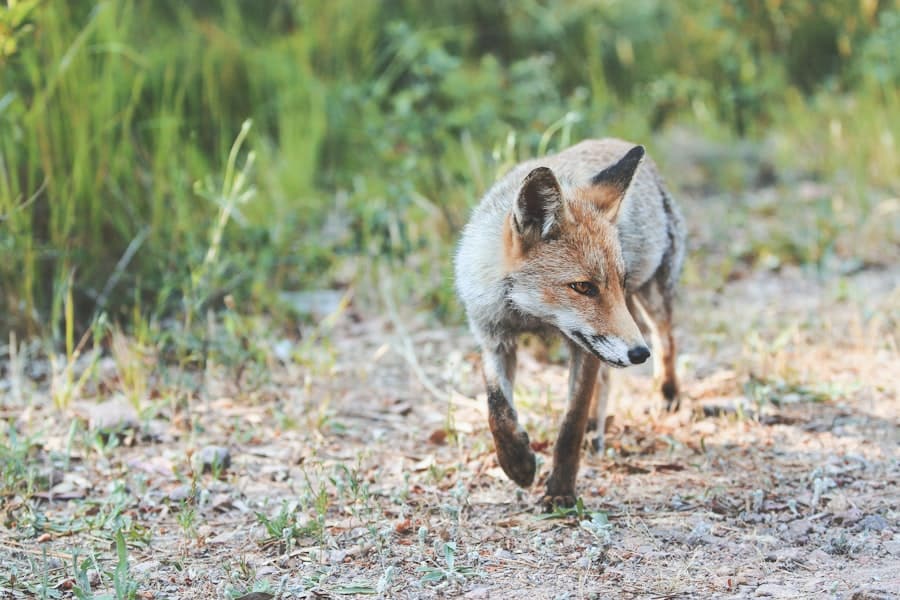
Several common burrowing animals may be responsible for the disturbances in your yard. One of the most frequently encountered is the mole, known for its extensive tunneling system that can wreak havoc on lawns and gardens. Moles primarily feed on insects and grubs found in the soil, but their burrowing can lead to uneven ground and damaged roots of plants.
If you notice raised ridges in your yard, it’s likely that moles are at work. Another common culprit is the rabbit, which can cause significant damage to gardens by feeding on tender plants and vegetables. Rabbits create shallow burrows and often leave behind telltale signs such as chewed leaves and droppings.
Groundhogs, also known as woodchucks, are larger and can create more extensive burrows that may undermine structures like fences or patios. Understanding which animal is causing the problem is vital for implementing effective control measures.
Risks and Damage
The risks associated with burrowing animals extend beyond mere aesthetic concerns. These creatures can cause significant damage to your property if left unchecked. For instance, moles can disrupt the root systems of your plants, leading to wilting or even death.
Their tunneling can also create uneven surfaces in your lawn, making it difficult to maintain a healthy and attractive landscape. Rabbits and groundhogs pose their own set of risks as well. They can quickly decimate vegetable gardens and flower beds, leaving you frustrated and disheartened.
Additionally, their burrowing activities can compromise the integrity of structures like fences or patios, leading to costly repairs down the line. By recognizing these potential risks early on, you can take steps to mitigate damage and protect your property.
Prevention and Control
Preventing burrowing animals from taking up residence in your yard requires a combination of strategies tailored to your specific situation. One effective method is to create physical barriers, such as fencing that extends underground to deter animals from digging their way into your garden. This approach is particularly useful for rabbits and groundhogs, as they are less likely to dig if they encounter an obstacle.
Another strategy involves using repellents that can deter these animals from entering your space. Natural repellents like garlic or hot pepper spray can be effective in keeping rabbits at bay, while commercial products may be available for other species. Additionally, maintaining a tidy yard by removing debris and keeping grass trimmed can make your property less inviting to burrowing animals.
By implementing these preventive measures, you can significantly reduce the likelihood of encountering these pests.
Seeking Professional Help
Expert Solutions
They can assess your property and recommend tailored solutions that align with your needs. Professional services often include humane trapping methods that ensure animals are removed without harm.
Long-term Prevention
Additionally, experts can provide guidance on long-term prevention strategies to keep your property free from future infestations.
The Benefits of Professional Help
While it may involve an investment, enlisting professional help can save you time, effort, and potential damage to your landscape.
Environmental Impact
When dealing with burrowing animals, it’s essential to consider the environmental impact of your actions. Many of these creatures play vital roles in their ecosystems, contributing to soil aeration and pest control. For instance, moles help control insect populations by feeding on grubs and larvae, while rabbits serve as prey for various predators in the food chain.
Before taking drastic measures against these animals, reflect on their ecological significance. Instead of resorting to lethal methods, consider implementing humane solutions that allow for coexistence. By fostering a balanced approach that respects wildlife while protecting your property, you contribute positively to local biodiversity and promote a healthier environment.
Conclusion and Next Steps
In conclusion, addressing the issue of burrowing animals requires careful observation and proactive measures. By identifying signs of their presence and understanding common culprits, you can take steps to mitigate risks and prevent damage to your property. Whether through physical barriers, repellents, or seeking professional assistance, there are various strategies available to manage these creatures effectively.
As you move forward, consider adopting a balanced approach that respects both your property and the environment. By implementing humane solutions and fostering coexistence with wildlife, you not only protect your landscape but also contribute positively to local ecosystems. Take action today by assessing your yard for signs of burrowing animals and developing a plan that aligns with your goals for a healthy and thriving outdoor space.
If you are concerned about pests burrowing under your porch, you may want to consider hiring a professional pest control service. Thrift Pest Control offers the best pest control service in Colorado Springs, Jersey City, and Cleveland. Their experienced technicians can help identify and eliminate any pests causing damage to your property. Check out their services here.
FAQs
What animals are known for burrowing under porches?
Some common animals known for burrowing under porches include groundhogs, skunks, opossums, and rabbits.
How can I identify what is burrowing under my porch?
You can identify the animal burrowing under your porch by looking for tracks, droppings, and the size and shape of the burrow entrance. You can also set up a wildlife camera to capture images of the animal.
Is it harmful to have animals burrowing under my porch?
Having animals burrowing under your porch can cause damage to the structure and may attract other pests. Some animals, like skunks, can also pose a threat to pets and humans if they feel threatened.
How can I prevent animals from burrowing under my porch?
You can prevent animals from burrowing under your porch by installing barriers, such as wire mesh or hardware cloth, around the perimeter of the porch. Removing food sources and sealing off potential entry points can also help deter animals from burrowing.