
When it comes to pest control, particularly in the realm of rodent management, many people are on the lookout for effective yet safe solutions. You may have heard about baking soda as a potential remedy for rat infestations. This common household item, often found in your kitchen, has garnered attention for its versatility beyond baking.
As you delve into the world of natural pest control, understanding how baking soda can be utilized against rats is essential. This article will explore the mechanisms behind baking soda’s effectiveness, its safety, and how you can incorporate it into your pest management strategy. Baking soda, or sodium bicarbonate, is a white crystalline powder that has been used for centuries in various applications, from cooking to cleaning.
Its non-toxic nature makes it an appealing option for those who prefer to avoid harsh chemicals in their homes. As you consider your options for dealing with a rat problem, it’s important to weigh the benefits and limitations of using baking soda as a control method. This article will guide you through the science behind baking soda’s effectiveness against rats and provide practical tips for its use.
Key Takeaways
- Baking soda can be an effective and natural solution for controlling rats in your home.
- Baking soda works as a rat repellent by disrupting their sense of smell and taste, making them avoid areas where it is present.
- Ingesting baking soda can have harmful effects on rats, leading to dehydration and ultimately death.
- Baking soda can be used to kill rats by mixing it with other ingredients to create a lethal bait.
- When using baking soda for rat control, it is important to consider safety precautions to protect pets and children from accidental ingestion.
How Baking Soda Works as a Rat Repellent
Understanding how baking soda functions as a rat repellent requires a closer look at its chemical properties. When ingested by rats, baking soda reacts with the acids in their stomachs, leading to the production of gas. This gas buildup can cause discomfort and potentially fatal consequences for the rodent.
As you consider using baking soda, it’s crucial to recognize that it does not act as a traditional repellent that simply drives rats away; rather, it works by creating an inhospitable environment for them once ingested. In addition to its lethal effects when consumed, baking soda can also serve as a deterrent due to its unfamiliarity to rats. You may find that placing small amounts of baking soda in areas where you’ve noticed rat activity can help discourage them from returning.
While it may not be a foolproof solution on its own, combining baking soda with other preventive measures can enhance its effectiveness in keeping your home rat-free.
The Effects of Ingesting Baking Soda on Rats
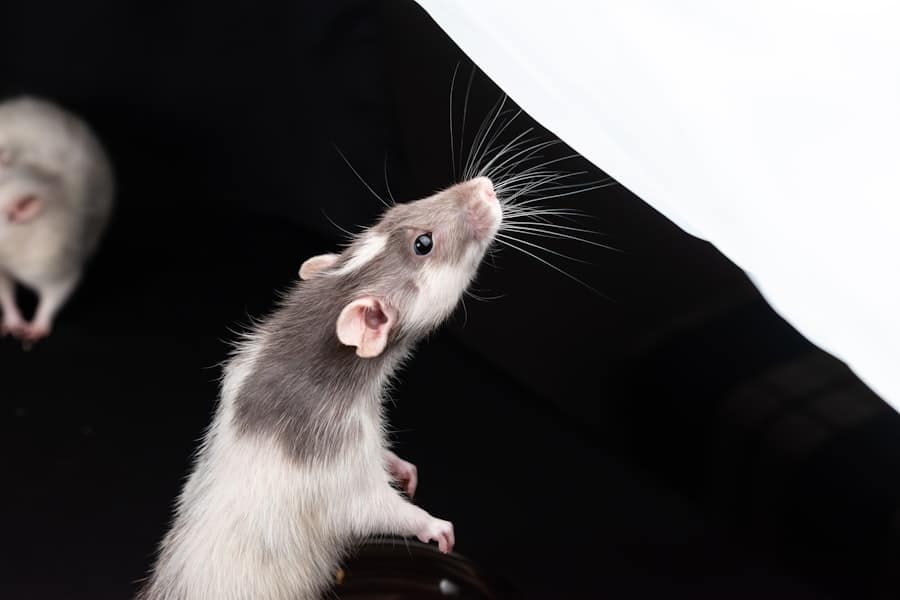
When rats consume baking soda, the consequences can be dire. The chemical reaction that occurs in their digestive systems leads to the production of carbon dioxide gas, which can cause bloating and severe discomfort. As you learn more about this process, it becomes clear that the ingestion of baking soda can lead to death in rats if they consume enough of it.
This is particularly relevant if you’re dealing with a significant infestation, as it may take time for the effects to manifest fully. It’s important to note that while baking soda can be lethal to rats, the amount required for this effect varies based on the size and health of the individual rodent. You might find that some rats are more susceptible than others, which is why monitoring their behavior after introducing baking soda into your pest control strategy is essential.
Observing changes in their activity levels or signs of distress can provide insight into the effectiveness of your approach.
Using Baking Soda to Kill Rats
If you decide to use baking soda as a method for killing rats, there are several steps you should follow to maximize its effectiveness. First, you’ll want to create a bait mixture that combines baking soda with something appealing to rats, such as peanut butter or sugar. This combination will entice them to consume the baking soda without realizing its potential danger.
As you prepare this bait, remember that presentation matters; placing it in areas where you’ve seen rat activity will increase the likelihood of consumption. Once you’ve set out your bait, it’s crucial to monitor the situation closely. You may need to replenish the bait regularly to ensure that it remains fresh and enticing.
Additionally, keep an eye out for any signs of rat activity or changes in their behavior. If you notice a decrease in sightings or droppings, it may indicate that your strategy is working. However, if the problem persists, consider adjusting your approach or combining baking soda with other pest control methods for a more comprehensive solution.
Safety Considerations When Using Baking Soda for Rat Control
While baking soda is generally considered safe for humans and pets when used appropriately, there are still important safety considerations to keep in mind when employing it for rat control. First and foremost, ensure that you store any unused baking soda out of reach of children and pets. Although it is non-toxic, ingesting large quantities can lead to gastrointestinal discomfort in humans and animals alike.
Additionally, when using baking soda as bait, be cautious about where you place it. You want to avoid areas where non-target animals might access the bait. If you have pets or wildlife in your vicinity, consider using enclosed bait stations that only allow access to rats while keeping other animals safe.
By taking these precautions, you can effectively use baking soda for rat control while minimizing risks to your household.
Baking Soda as a Natural and Non-Toxic Rat Control Solution

One of the most appealing aspects of using baking soda for rat control is its natural and non-toxic nature. In an age where many people are concerned about the chemicals they introduce into their homes and environments, baking soda stands out as an eco-friendly alternative. You may appreciate knowing that by choosing this method, you’re not only addressing a pest problem but also making a conscious choice to protect your family and pets from harmful substances.
Moreover, using baking soda aligns with a growing trend toward sustainable living and natural pest management solutions. As you explore this option, consider how it fits into your overall approach to home maintenance and pest control. By integrating natural methods like baking soda into your routine, you contribute to a healthier living environment while effectively managing unwanted pests.
Common Misconceptions About Baking Soda and Rat Control
As with any pest control method, there are misconceptions surrounding the use of baking soda for rat management that you should be aware of. One common myth is that simply sprinkling baking soda around your home will repel rats without any further action required. While it can deter them when combined with bait, relying solely on baking soda without addressing other factors—such as food sources and entry points—will likely yield disappointing results.
Another misconception is that baking soda works instantaneously to eliminate rats. In reality, it may take time for rats to consume enough of the substance for it to have lethal effects. Patience is key when using this method; you may need to monitor and adjust your strategy over several days or weeks before seeing significant results.
By understanding these misconceptions, you can approach your rat control efforts with realistic expectations and a more informed mindset.
Tips for Using Baking Soda Effectively to Repel Rats
To maximize the effectiveness of baking soda in your rat control efforts, consider implementing several practical tips. First, always combine baking soda with an attractive bait to entice rats into consuming it. Peanut butter is often recommended due to its strong scent and palatability; however, feel free to experiment with other options like chocolate or dried fruit if you find they work better in your situation.
Additionally, placement is crucial when using baking soda as bait. Identify areas where you’ve noticed signs of rat activity—such as droppings or gnaw marks—and strategically place your bait there. You might also want to create multiple bait stations throughout your home to increase the chances of consumption by different rats.
Regularly check these stations and replenish them as needed to maintain their effectiveness.
Alternatives to Baking Soda for Rat Control
While baking soda can be an effective tool in your rat control arsenal, it’s wise to consider alternative methods as well. Traps are one popular option; snap traps or electronic traps can quickly eliminate rats without the need for toxic substances. If you’re looking for a more humane approach, live traps allow you to capture rats alive and release them far from your home.
Another alternative is using natural deterrents such as peppermint oil or ultrasonic repellents that emit sounds unpleasant to rodents but inaudible to humans. These methods can complement your use of baking soda by creating an environment less inviting to rats overall. By exploring various options, you can develop a comprehensive strategy tailored to your specific situation.
Environmental Impact of Using Baking Soda for Rat Control
When considering pest control methods, it’s essential to evaluate their environmental impact. Baking soda stands out as an environmentally friendly option compared to many commercial rodenticides that contain harmful chemicals. Since it’s biodegradable and non-toxic when used correctly, you can feel good about incorporating it into your pest management plan without contributing significantly to environmental pollution.
However, it’s still important to use baking soda responsibly and avoid overuse. While it may not pose significant risks when used appropriately, excessive application could lead to unintended consequences in local ecosystems if non-target animals consume it inadvertently. By practicing moderation and being mindful of where you place bait stations, you can effectively manage your rat problem while minimizing any potential negative impact on the environment.
The Role of Baking Soda in Rat Control
In conclusion, baking soda presents a viable option for those seeking natural and non-toxic methods for rat control. Its unique properties allow it to serve both as a repellent and a lethal agent when ingested by rodents. As you navigate the challenges of managing a rat infestation, understanding how baking soda works and implementing effective strategies will be key components of your success.
While it’s important not to rely solely on baking soda—considering other methods and preventive measures will enhance your overall approach—this household staple can play a significant role in keeping your home free from unwanted pests. By combining knowledge with practical application, you can take proactive steps toward creating a safer and more comfortable living environment for yourself and your family.
If you’re interested in learning more about unexpected encounters with pests in the home, check out this article on real stories of homeowners facing the unexpected. It provides insight into the challenges that homeowners face when dealing with pests like rats and offers tips on how to handle these situations effectively.
FAQs
What is baking soda?
Baking soda, also known as sodium bicarbonate, is a chemical compound often used in baking as a leavening agent. It is also used for various household cleaning purposes.
How does baking soda affect rats?
When ingested by rats, baking soda can disrupt the acid-base balance in their bodies, leading to metabolic acidosis. This can be harmful and potentially fatal to the rats.
Is baking soda an effective method for controlling rats?
While baking soda may be toxic to rats when ingested, it is not considered an effective method for controlling rat populations. There are more humane and effective methods, such as trapping and exclusion, that are recommended for rat control.
Is it safe to use baking soda to control rats in a household setting?
Using baking soda to control rats in a household setting is not recommended due to the potential harm it can cause to the rats. Additionally, there are safer and more effective methods for rat control that should be considered.