
Household pests are more than just an inconvenience; they can pose significant health risks and cause extensive damage to your property. As a homeowner or renter, you may find yourself facing a variety of unwanted guests, from tiny insects to larger animals. Understanding the nature of these pests is crucial for effective management and prevention.
The presence of pests can disrupt your daily life, leading to stress and frustration. By familiarizing yourself with the common types of household pests, you can take proactive steps to protect your living space. The impact of household pests extends beyond mere annoyance.
Many pests can carry diseases, contaminate food, and even damage the structural integrity of your home. For instance, termites can silently eat away at wooden structures, while rodents can gnaw through electrical wiring, creating fire hazards. Recognizing the importance of pest control is essential for maintaining a safe and healthy environment.
In this article, you will learn about the various types of pests that may invade your home, how to identify signs of infestation, and effective prevention and control methods.
Key Takeaways
- Household pests can include insects, rodents, birds, and wildlife animals that invade living spaces.
- Common insects that infest homes include ants, cockroaches, termites, and bed bugs.
- Rodents such as mice and rats can invade homes in search of food and shelter.
- Nuisance birds like pigeons and sparrows can cause problems by nesting on buildings and leaving droppings.
- Wildlife animals like raccoons, squirrels, and bats can enter homes through openings in the roof or walls.
Common Insects That Infest Homes
Insects are among the most common household pests, and they come in various shapes and sizes. Ants, cockroaches, bed bugs, and termites are just a few examples of the insects that can invade your living space. Ants are often drawn to food sources, making kitchens a prime target for their colonies.
They can quickly establish trails and become a nuisance if not addressed promptly. Cockroaches, on the other hand, thrive in warm, humid environments and can reproduce rapidly, leading to a significant infestation if left unchecked. Bed bugs are another troublesome insect that can disrupt your peace of mind.
These tiny creatures feed on human blood and are notorious for their ability to hide in mattresses, furniture, and even clothing. Their bites can cause itchy welts and lead to sleepless nights. Termites are perhaps one of the most destructive insects, as they feed on wood and can compromise the structural integrity of your home over time.
Understanding the behaviors and habits of these insects is vital for effective pest management.
Rodents That Can Invade Your Living Space
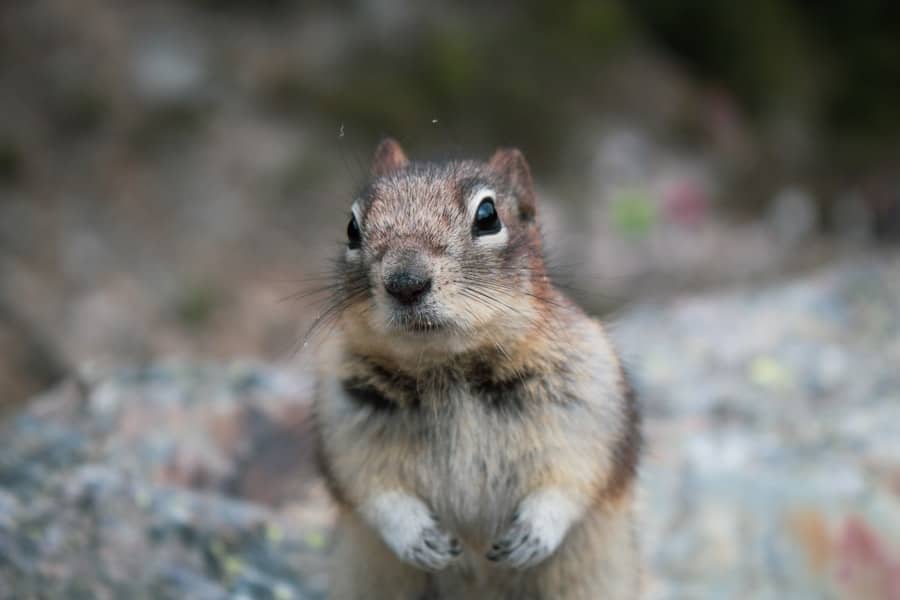
Rodents, such as mice and rats, are notorious for invading homes in search of food and shelter. These creatures are not only a nuisance but also pose serious health risks due to their ability to carry diseases. Mice are particularly adept at squeezing through small openings, making it easy for them to enter your home undetected.
Once inside, they can reproduce quickly, leading to a full-blown infestation in a short period. Rats are larger than mice and can cause even more damage. They have strong teeth that allow them to gnaw through various materials, including wood, plastic, and even electrical wiring.
This behavior not only poses a risk of property damage but also increases the likelihood of fire hazards. Both mice and rats leave behind droppings and urine that can contaminate food sources and surfaces in your home. Recognizing the signs of rodent activity is crucial for taking timely action to eliminate them.
Nuisance Birds That Can Cause Problems
While birds are often seen as harmless creatures, certain species can become significant nuisances when they invade residential areas. Pigeons, starlings, and sparrows are among the birds that can cause problems for homeowners. Pigeons are particularly notorious for their droppings, which can damage property and create unsightly messes on patios and balconies.
Their droppings also carry diseases that can affect both humans and pets. Starlings and sparrows can be equally problematic as they often flock in large numbers, creating noise disturbances and competing with native bird species for resources. These birds may also build nests in eaves or vents, leading to blockages that can affect ventilation systems in your home.
Understanding the behaviors of these nuisance birds is essential for implementing effective control measures to keep them at bay.
Wildlife Animals That Can Enter Your Home
In addition to insects and rodents, various wildlife animals may attempt to enter your home in search of food or shelter. Raccoons, squirrels, opossums, and skunks are some examples of wildlife that can pose challenges for homeowners. Raccoons are known for their dexterous paws and intelligence, allowing them to open trash cans or even unlock doors in search of food.
Their presence can lead to property damage as they rummage through garbage or create nests in attics. Squirrels are another common sight in residential areas, often seen scurrying along power lines or raiding bird feeders. While they may seem harmless, squirrels can chew through wires and insulation in your home, leading to costly repairs.
Opossums and skunks may also venture into your living space, especially if there are easy access points like open doors or gaps in foundations. Understanding how these wildlife animals behave will help you take preventive measures to keep them out.
Signs of Infestation and How to Identify Them

Identifying signs of infestation is crucial for addressing pest problems before they escalate. Each type of pest leaves behind distinct indicators that can help you determine their presence in your home. For instance, if you notice small droppings in your kitchen or pantry, it could be a sign of rodent activity.
Additionally, gnaw marks on food packaging or furniture may indicate that rodents have been active in your space. Insects like bed bugs leave behind telltale signs such as small blood stains on sheets or dark spots from their excrement. Termites often create mud tubes along walls or wooden structures as they travel between their nests and food sources.
By being vigilant and regularly inspecting your home for these signs, you can catch infestations early on and take appropriate action before they become more severe.
Prevention and Control Methods for Household Pests
Preventing household pests requires a proactive approach that includes both sanitation practices and physical barriers. Keeping your living space clean is one of the most effective ways to deter pests from entering your home. Regularly sweeping floors, wiping down surfaces, and properly storing food can significantly reduce attractants for insects and rodents alike.
In addition to cleanliness, sealing entry points is essential for preventing pests from gaining access to your home. Inspecting windows, doors, and foundations for gaps or cracks will help you identify potential entryways that need sealing. Installing screens on windows and vents can also provide an additional layer of protection against flying insects and birds.
If you do encounter an infestation despite your best efforts at prevention, there are various control methods available ranging from traps to chemical treatments.
Importance of Seeking Professional Help for Pest Infestations
While DIY methods can be effective for minor pest issues, seeking professional help is often necessary for more significant infestations or persistent problems. Pest control experts have the training and experience needed to identify the root causes of infestations and implement targeted solutions tailored to your specific situation. They also have access to specialized tools and products that may not be available to the general public.
Moreover, professionals can provide valuable advice on long-term prevention strategies to ensure that pests do not return after treatment. By investing in professional pest control services, you not only protect your home but also safeguard your health and well-being from the potential dangers posed by household pests. Ultimately, taking swift action against infestations will help you maintain a comfortable living environment free from unwanted guests.
If you are dealing with a pest infestation in your home, it may be time to call in the professionals for help. In a related article on when DIY fails: signs it’s time to call in the pros for pest control, you can learn about the warning signs that indicate it’s time to seek professional pest control services. Whether you are in Chandler, Arizona or Escondido, California, finding the best pest control service for your specific needs is crucial in effectively eliminating unwanted pests from your home.
FAQs
What are common animals that can infest a house?
Common animals that can infest a house include rodents (such as mice and rats), insects (such as cockroaches and ants), birds (such as pigeons and sparrows), and small mammals (such as squirrels and raccoons).
How do animals infest a house?
Animals can infest a house by gaining entry through small openings or cracks in the exterior of the building. They may also be attracted to the house by the presence of food, water, or shelter.
What are the signs of an animal infestation in a house?
Signs of an animal infestation in a house may include droppings, gnaw marks, nests or burrows, strange noises, and sightings of the animals themselves. Unusual odors or damage to property may also indicate an infestation.
What are the risks of having animals infest a house?
Animals infesting a house can pose health risks by spreading diseases, contaminating food, and causing allergic reactions. They can also cause damage to the structure of the house and its contents.
How can you prevent animals from infesting your house?
To prevent animals from infesting your house, it is important to seal off entry points, keep the house clean and free of food sources, and maintain the surrounding area to reduce attractants. Regular inspections and prompt action to address any signs of infestation are also important.